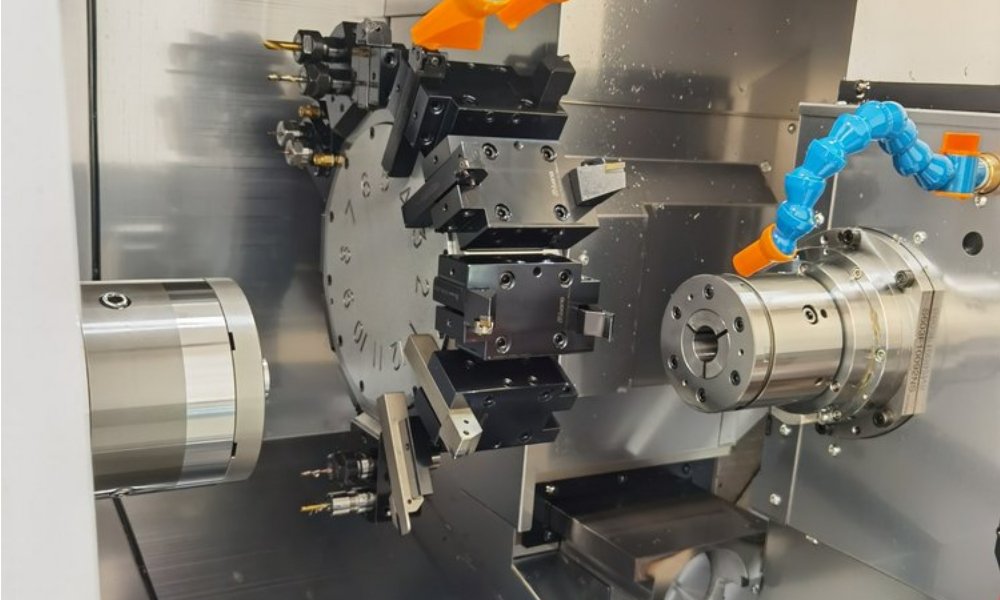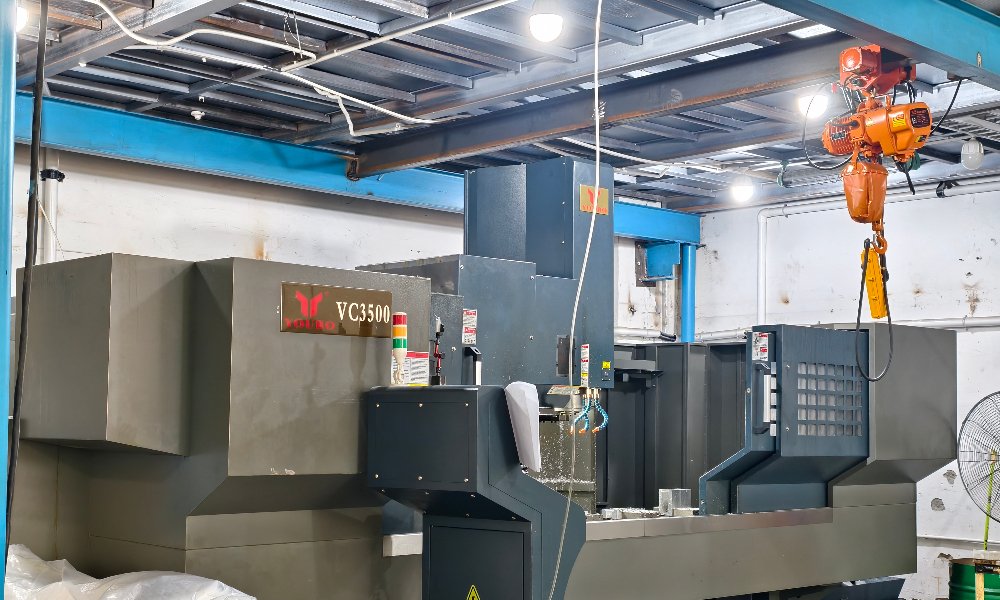
Some applications simply refuse to cooperate with ordinary plastics. PTFE CNC machining exists for exactly those jobs. Polytetrafluoroethylene shrugs off nearly every chemical, glides with remarkably low friction, and keeps working from cryogenic cold to high heat. However, its softness and tendency to creep demand specific machining tactics. XAP Precision machines PTFE parts daily under an ISO 9001 quality system. This guide explains where the material shines and how to get good parts from it.
Why PTFE CNC Machining Solves Problems Other Plastics Can’t
PTFE sits at the extreme end of plastic performance. No other common polymer matches its full property set at once. Specifically:
- Chemical inertness. PTFE resists nearly all industrial chemicals, solvents, and acids. Only a handful of exotic agents affect it at all.
- Wide temperature range. Parts stay serviceable from cryogenic cold up to roughly 260 °C. In fact, few plastics survive where PTFE works.
- Low friction. PTFE has one of the lowest coefficients of friction of any solid. Notably, surfaces slide smoothly without lubricant.
- Dielectric strength. The material is an outstanding electrical insulator, and its properties stay stable across frequencies.
- Non-stick and weatherproof. Almost nothing adheres to PTFE, and sunlight does not degrade it.
That combination unlocks designs that would otherwise fail. In fact, many of our PTFE parts replace failed metal or elastomer components. Customers often arrive after a cheaper material has already let them down.
Formal material data comes from ASTM standards for PTFE resins. As a result, engineers turn to PTFE CNC machining when every other plastic would dissolve, melt, or seize.
Parts Commonly Made with PTFE CNC Machining
That property mix shows up across many industries. Typical parts include:
- Seals, gaskets, and diaphragms for aggressive chemicals, fuels, and high-purity process lines.
- Insulators and dielectric parts for RF hardware, sensors, and high-voltage assemblies.
- Lab and semiconductor components such as wafer carriers, wet-process fixtures, and fluidic fittings.
- Lining and slide plates that protect equipment from wear and chemical attack.
- Valve seats, pump parts, and piston rings that must run dry and clean.
In addition, virgin PTFE is common in food and pharmaceutical equipment because it cleans easily and stays inert. You can see a broader range of polymer options in our plastic CNC machining guide.
Consequently, PTFE shows up wherever purity and reliability matter. In semiconductor fabs, for example, it never contaminates wafers. Chemical plants, meanwhile, see it outlast metal seals by wide margins.
PTFE CNC Machining: Managing Softness, Creep, and Springback
PTFE CNC machining has one catch: the material is soft, elastic, and prone to cold flow. Those traits create three recurring challenges. However, each one has a proven countermeasure.
First, sharpness is everything. Razor-sharp tools with high rake angles and polished flutes slice PTFE cleanly. Dull cutters smear and tear the surface instead. Therefore, XAP Precision keeps dedicated, freshly honed tooling for these jobs. In practice, we treat that tooling almost like a consumable. Fresh edges go on the moment the finish drops.
Second, expect springback. After a cut, PTFE relaxes back toward its original shape, so dimensions drift. Light finishing passes and frequent measurement keep PTFE CNC machining parts on size. In practice, machinists often cut, measure, then sneak up on the final dimension.
Third, control heat and clamping. PTFE expands noticeably with heat, and warm parts move. Air blast helps, as does gentle, well-supported clamping. Soft jaws prevent the vise from denting or distorting thin sections. Meanwhile, chip evacuation matters because PTFE chips come off long. Clearing them quickly keeps chips from re-cutting and marring the finish.
One more habit matters just as much: inspection temperature. PTFE expands with heat, so we measure parts at stable room temperature. As a result, good parts never fail inspection by mistake. The same rule applies to your incoming inspection, so share it with your QC team.
Design Tips That Make PTFE Parts Better and Cheaper
Great PTFE CNC machining parts start on the drawing board. Creep, or cold flow, is the big one to design around. Under sustained load, PTFE slowly deforms. Consequently, smart designs use generous wall thickness, larger bearing areas, and radiused corners instead of sharp notches. For example, a wide boss spreads load better than a narrow rib under sustained compression. In addition, keep threads generous; fine PTFE threads can deform under sustained load.
Consider filled grades when creep matters most. Glass, carbon, or bronze fillers dramatically reduce cold flow and can improve wear resistance. Similarly, each filler changes machinability slightly, so mention your application early.
Finally, think carefully about tolerances. Because PTFE moves, extremely tight tolerances across a large, thin part fight the material. Reserve the tightest tolerances for critical sealing or mating features. In other words, tighten only what the function truly demands, and let the rest breathe. Our PTFE CNC machining service page covers the part styles we produce most often.
Planning a PTFE CNC machining project? Send us your drawing for a free quote and free DFM feedback before you lock the design.
Which PTFE Grade Fits Your Part?
Grade selection deserves the same care as geometry. Virgin PTFE is the purest option. It offers maximum chemical resistance and the best dielectric properties, so labs and semiconductor tools usually start there. However, virgin resin also creeps the most under load.
Filled grades trade a little purity for mechanical strength. Glass-filled PTFE resists creep and compression, which helps seals and seats. Carbon-filled grades improve wear resistance and dissipate static charge. For example, sliding applications usually favor carbon-filled resin. Meanwhile, bronze-filled PTFE handles higher loads in bearing and slide applications. Notably, filler percentages vary by supplier, so share your load and temperature targets with us. If you are unsure, our material selection guide for custom CNC machined parts is a practical starting point.
Is PTFE CNC Machining Worth the Cost?
PTFE resin costs more than commodity plastics, and it machines slower than stiffer polymers. However, sticker price alone misses the point. A PTFE seal that survives years in aggressive chemistry costs far less than a cheaper seal that needs monthly replacement. In fact, eliminating lubrication, corrosion failures, and downtime tilts the math toward PTFE. Judged on total cost of ownership, PTFE CNC machining often wins. Ultimately, the cheapest part is the one you never have to replace.
If a different polymer fits better, we will say so. Our CNC plastic machining services cover the full range, from POM to PEEK.
Frequently Asked Questions About PTFE CNC Machining
Why is PTFE difficult to CNC machine?
PTFE is soft and prone to creep and springback, so dimensions can drift after cutting. Therefore, shops use razor-sharp tools, controlled feeds, and careful cooling strategies.
What parts suit PTFE CNC machining best?
Seals, gaskets, insulators, valve seats, and semiconductor components are typical. They all benefit from PTFE’s chemical inertness and low friction.
Can filled PTFE grades be machined too?
Yes. Glass, carbon, and bronze filled grades machine similarly but wear tools faster. In return, they offer better stiffness, thermal conductivity, or wear resistance.
Get a Free Quote for Your PTFE Parts
When your next design faces aggressive chemistry, high heat, or friction, PTFE CNC machining deserves a close look. XAP Precision will review your drawings and suggest the right grade. Then we return a free quote plus free DFM feedback through our contact page. From one prototype to low-volume production, our ISO 9001 system keeps every part consistent. In addition, every order ships with dimensional inspection reports. Upload your files today and let our engineers take it from there. In short, one drawing is all we need to start.