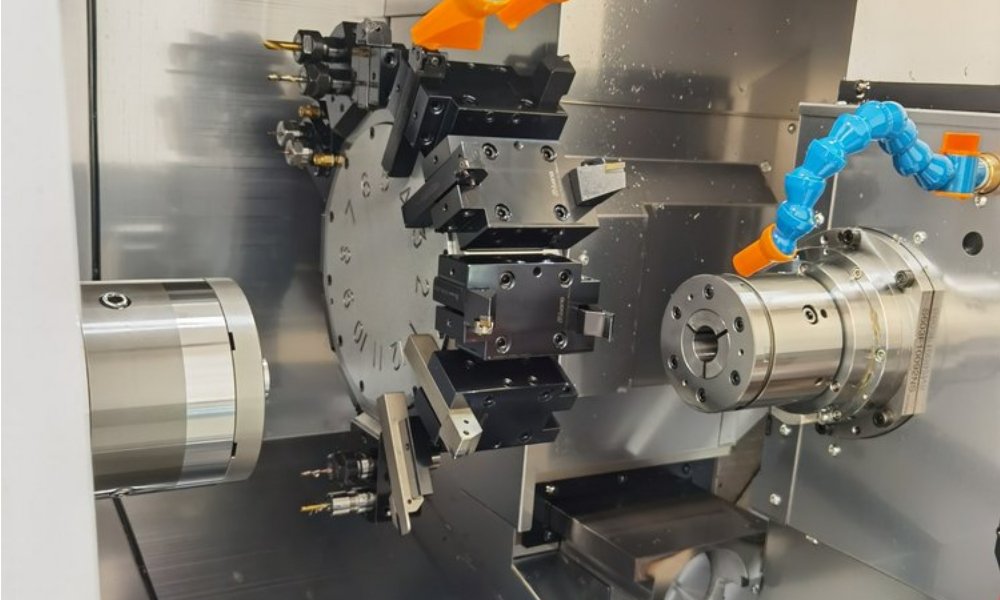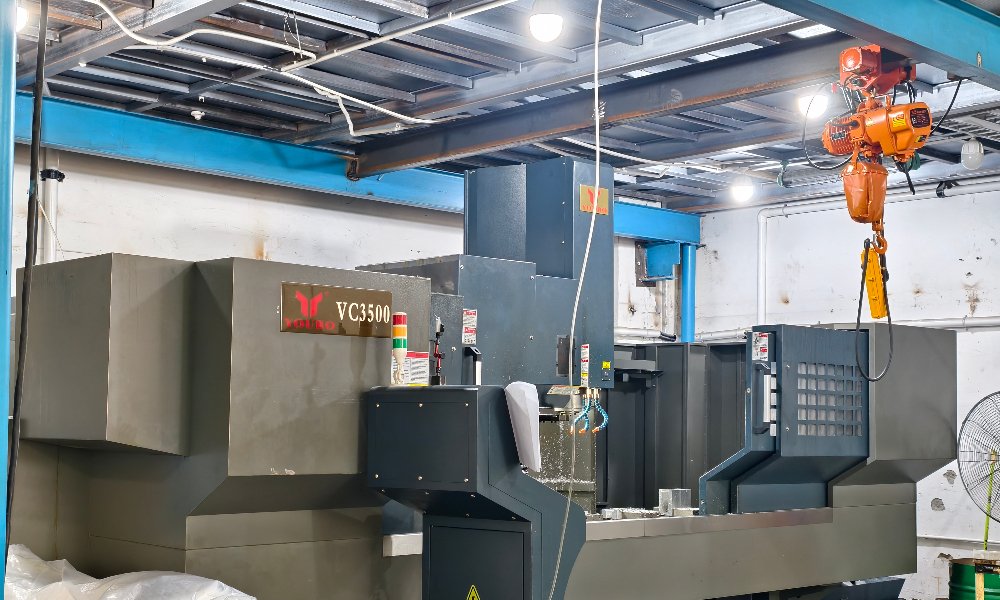
When engineers need a tough, self-lubricating plastic for precision parts, POM CNC machining is usually the first call. The material behind brand names such as Delrin® pairs high stiffness with low friction and excellent dimensional stability. As a result, shops hold tolerances that defeat softer plastics. Moreover, POM CNC machining suits one-off prototypes and repeat production runs alike. XAP Precision machines POM daily under an ISO 9001 quality system, alongside aluminum, stainless steel, and titanium.
Why POM CNC Machining Is the Default Choice for Precision Plastic Parts
POM earned its reputation honestly. Few engineering plastics pack this much performance into one material. Specifically, the standout advantages are:
- Low friction and self-lubricity. POM slides smoothly against itself and against metals. Therefore, it excels in gears, bearings, and wear strips that must run dry.
- High stiffness and strength. The material stays rigid under load. Notably, it resists creep, so parts keep their shape over time.
- Dimensional stability. POM absorbs very little moisture, and its shrinkage is predictable. Consequently, machined features stay on size.
- Excellent machinability. Crisp chips and a naturally smooth cut let machinists hold fine tolerances without exotic tooling.
In addition, POM takes threads, knurls, and press fits well. For many mechanisms, for example, one POM part replaces a metal part plus a separate lubrication system. Formal requirements, meanwhile, live in the ASTM standards for polyoxymethylene materials.
Homopolymer vs. Copolymer: Two Flavors of POM
Stock shapes come in two main chemistries. Homopolymer POM, the family behind Delrin®, is stiffer, harder, and slightly stronger. It also resists fatigue exceptionally well, which matters for gears and snap-fits. However, it tolerates strong acids and hot water less gracefully.
In contrast, copolymer POM offers better chemical resistance and better stability in hot environments. It is also less prone to centerline porosity in thick sections. Ultimately, both grades respond well to POM CNC machining, and either one serves most mechanical parts. Our material selection guide for custom CNC machined parts can help you weigh stiffness against chemical exposure.
Which grade ships on your order usually depends on stock availability and application. In practice, we default to homopolymer for gears and other mechanical parts. For chemical exposure, meanwhile, copolymer is the safer bet. If you have a preference, note it on the drawing, and we will confirm availability before cutting.
Parts Commonly Made with POM CNC Machining
Because it blends strength with a slick surface, POM CNC machining appears across industries. Common examples include:
- Gears and sprockets that run quietly and need no grease.
- Bearings, bushings, and wear pads for sliding and pivoting joints.
- Slides, rollers, and guides in packaging and automation equipment.
- Valve seats, fittings, and pump components exposed to water or mild chemicals.
- Food-contact parts such as conveyor wear strips; many POM grades meet food-contact requirements.
- Insulators and fasteners where metal would corrode or conduct electricity.
Meanwhile, consistency is a quiet strength here. Once a program proves out, repeated POM CNC machining runs hold size from first piece to last. As a result, scheduling low-volume production becomes far easier.
In fact, medical device, automotive, and food processing teams all specify POM regularly. Each industry leans on the same core strengths: low friction, stable dimensions, and clean machining.
How Machinists Get the Best Results from POM CNC Machining
POM CNC machining is forgiving, but a few habits separate clean parts from scrap. First, tooling must be sharp. High-rake, polished cutters shear the plastic cleanly instead of rubbing and melting it. Dull tools generate heat, and trapped heat warps thin walls or leaves burnished surfaces. In practice, carbide tooling holds its edge longest on POM.
Second, heat control matters throughout the job. Air blast or a light coolant mist keeps the cut cool. In fact, overheating POM does more than damage the part. It can release irritating fumes, so shops pair cool cuts with good ventilation.
Third, clamping deserves care. POM is stiff yet elastic, so heavy vise pressure can distort a thin part during cutting. The part then springs back out of tolerance afterward. Machined soft jaws and moderate, even pressure avoid that trap.
Finally, heavy or uneven cuts can release molding stresses in stock shapes. As a result, the part may move slightly mid-job. A stress-relief pass or anneal before finishing keeps critical dimensions stable. Similarly, we fixture thin parts against a solid backing to stop chatter. We apply the same fundamentals across our CNC plastic machining services, from POM to PEEK.
Which Grade and Format Should You Specify?
Most buyers order POM as extruded round bar or flat plate. Bar stock suits bushings, rollers, and shaft-like parts, while plate serves brackets, wear strips, and manifolds. For thin-walled or very precise parts, annealed stock is worth the premium. Annealing relaxes residual stresses before cutting, so the finished part stays flat and on size.
Natural white and black are the standard colors. Black POM often includes UV stabilizers for outdoor use. In addition, specialty grades add glass fiber for stiffness or mineral fillers for reduced warpage. Our engineers review every drawing for grade suitability. Meanwhile, our low-volume CNC machining and rapid prototyping capability covers everything from one test coupon to a full production ramp. For example, tell us if the part sees fuel, steam, or repeated flexing.
Do you have a drawing in hand? Send it over for a free quote and free DFM feedback.
When to Pick POM Over Metal
Metal is not always the right answer, and POM CNC machining often wins on total cost and performance:
- Weight. POM weighs roughly one-fifth as much as steel. Therefore, lighter moving parts cut inertia and motor load.
- Corrosion resistance. POM shrugs off water and many chemicals that rust carbon steel, with no coating required.
- Noise and wear. A POM gear meshing with steel runs quieter. It also wears preferentially, and it is the cheaper part to replace.
- Cost. Stock shapes are inexpensive, and POM CNC machining cycles fast with minimal deburring.
In contrast, metal still wins where temperatures climb, loads spike, or rigidity is critical. POM softens at modest heat and flexes more than any metal. For example, a hot engine bay pushes POM past its comfort zone. If your application sits there, stainless steel or titanium may serve you better. XAP Precision engineers will gladly compare options with you. Lower total cost starts with the right material and process. Our CNC machining cost guide explains the levers that matter most.
Frequently Asked Questions About POM CNC Machining
Is POM better than metal for gears and bearings?
In many cases, yes. POM runs quietly, needs no lubrication, and resists wear. However, metal still wins under heavy loads or high temperatures.
What is the difference between POM homopolymer and copolymer?
Homopolymer POM is slightly stiffer and stronger, while copolymer resists chemicals and hydrolysis better. Most CNC shops stock both, so ask which one fits your environment.
Does POM CNC machining need special tooling?
Sharp tools, moderate speeds, and light clamping are the key points. Because POM is sensitive to heat and stress, experienced shops adjust feeds to keep parts stable and burr-free.
Start Your POM CNC Machining Project with a Free Quote
Ready to move? XAP Precision machines POM, other engineering plastics, and metals in one ISO 9001-certified facility. Every order ships with dimensional inspection and clear, responsive communication from quoting to delivery. Share your drawings through our contact page to get a free quote plus free DFM feedback from our engineers. Whether you need five prototypes or five thousand production parts, we will recommend the right grade, tolerances, and finish. Send your files today, and put POM CNC machining to work on your next design. In short, you get one accountable partner from first quote to final inspection.