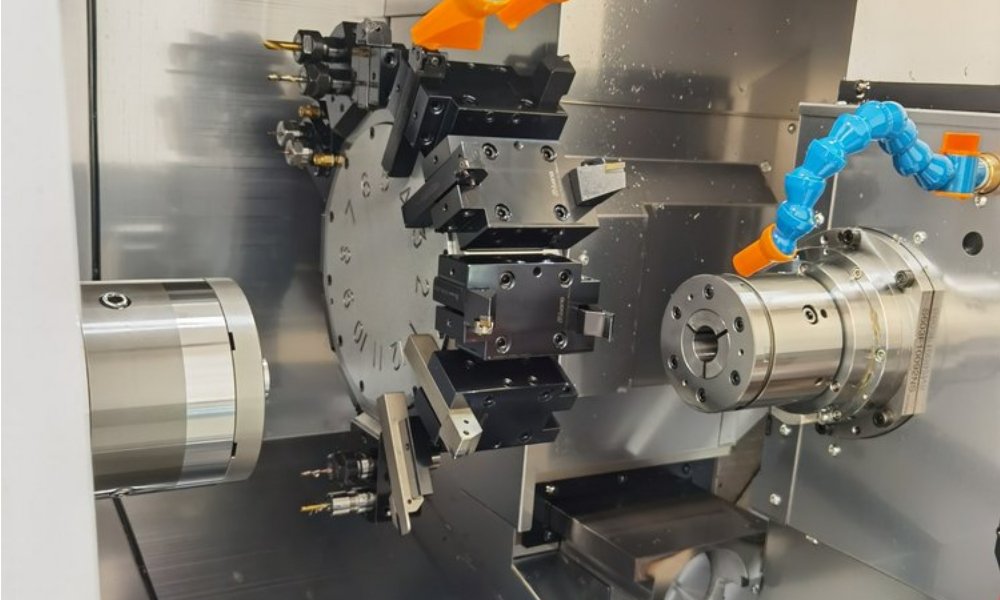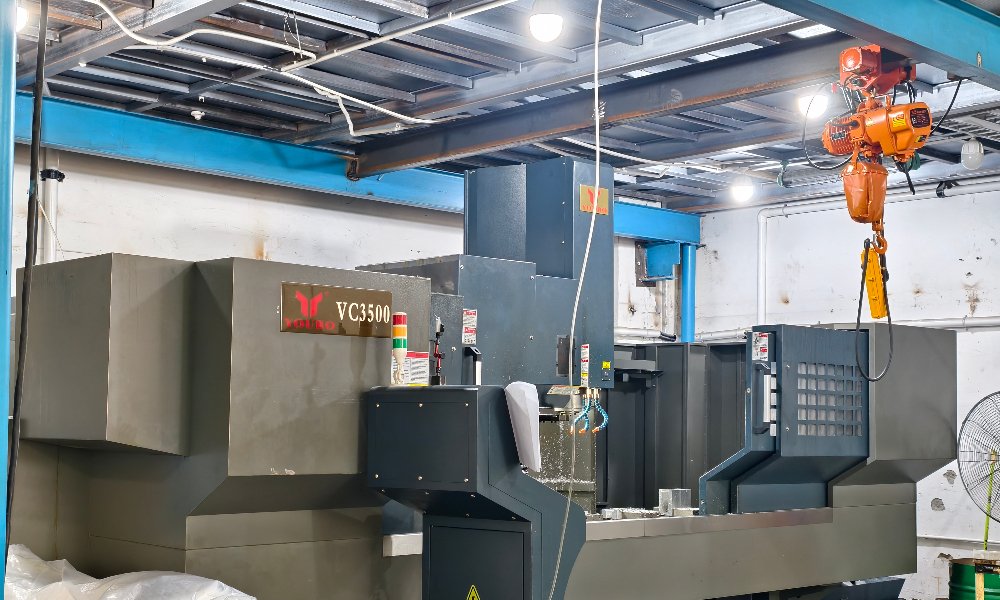
Plastic CNC machining gives engineers metal-grade precision without a single dollar of tooling investment. One CNC program can turn out a bracket or a hundred insulators this week. Moreover, machined parts hold tolerances that early molding trials often miss. However, plastic behaves very differently from metal under the cutter. This guide covers materials, design rules, and ordering steps, so your next plastic part arrives right the first time.
Machined thermoplastics serve everything from semiconductor fixtures to surgical tools. This article focuses on solid, machined stock shapes rather than printed parts. Machining simply delivers the tightest tolerances and the best surface quality.
Why Choose Plastic CNC Machining Over Molding?
Injection molding wins on per-part cost at high volumes. Yet it demands expensive molds and long setup before the first good part. In contrast, plastic CNC machining starts from stock sheet or rod. Many shops ship first articles in days rather than weeks, and design changes cost nothing but updated CAM time. That agility keeps prototypes moving.
Tight tolerances favor machining too. Specifically, molded parts carry shrinkage and warp variables that toolmakers tune over several trials. Meanwhile, machined parts come straight off the table at final size. For low-volume and bridge work, that predictability usually outweighs a higher per-part price. That is exactly why teams choose plastic CNC machining to validate designs before any mold exists.
Tooling risk matters as well. A mold that needs three rounds of tweaks can consume a month before parts ship. Machining removes that gamble entirely. If the design changes, the shop simply updates the program.
The decision rule stays simple. Below a few hundred parts, machining usually wins on total cost and speed. Above that range, molding tends to take over, although machined parts often prove the design first.
Speed compounds the savings. A machined design iteration can arrive within a week, letting engineers test, refine, and retest without waiting on tooling. As a result, programs reach a frozen design faster and with fewer costly assumptions.
Choosing the Right Plastic for CNC Machining
Material choice drives performance, so match the polymer to its environment before anything else. Plastic CNC machining covers a wide menu, and our plastic CNC machining service page lists everything we keep in stock. These six grades handle most applications:
- POM (acetal). Stiff, dimensionally stable, and low-friction, POM is the default for gears, bearings, sliders, and snap-fit components.
- ABS. Tough and inexpensive, ABS suits prototypes, housings, and parts that need painting or adhesive bonding.
- PEEK. This high-performance thermoplastic tolerates sustained heat, aggressive chemicals, and repeated sterilization. Aerospace and medical teams specify it for exactly those reasons. Our PEEK precision machining page covers common grades and typical parts.
- PTFE. Nothing matches PTFE for chemical inertness and low friction, although it creeps under load and expands with heat. Our PTFE CNC machining guide explains how sharp tooling and light cuts work around those quirks.
- Acrylic (PMMA). Optically clear acrylic replaces glass in windows, lenses, and light pipes, and it polishes to full transparency.
- Nylon. Strong and wear-resistant, nylon still absorbs moisture, so dimensions drift slightly with humidity.
Special requirements narrow the field quickly. Food-contact parts favor POM or PTFE, for instance, while medical implants often need PEEK grades with biocompatibility documentation. Flame-retistant housings, in contrast, may point toward specialty ABS blends. State the environment, load, and temperature in your RFQ, and the right grade usually becomes obvious.
Still weighing options? Our material selection guide for custom CNC machined parts compares strength, temperature limits, and cost across metals and plastics. In addition, ASTM International publishes the test standards behind most polymer datasheets, which makes comparisons fair.
Design Tips for Plastic CNC Machining
Plastic CNC machining rewards designers who respect the quirks of the material. First, keep walls thick enough to resist clamping force. Thin walls flex, chatter, and finish poorly, so add generous radii at corners too. Second, manage heat. Cutters that suit aluminum can melt plastic instead, so sharp tools, light passes, and strong chip evacuation keep edges clean.
Third, set tolerances realistically. Plastics expand with temperature and absorb moisture, so a 0.005 mm callout rarely makes sense on nylon. Similarly, avoid deep narrow pockets that trap chips and raise cutting temperatures.
Threads and bosses need attention as well. Machined threads in plastic strip easily, so specify assembly torque or consider threaded inserts for repeated fastening. Bosses should stay thick enough to tap yet rigid enough to machine cleanly.
Edge quality matters as well. Plastics burr easily, so specify which edges need crisp breaks or polished faces. Vacuum tables and soft jaws hold thin sheets flat without crushing them, which keeps profiles true across the whole part.
Applications Where Plastic CNC Machining Excels
Machined plastic works anywhere light weight, insulation, or corrosion resistance matters. Fluid manifolds and valve seats in chemical processing, for example, rely on PTFE and PEEK daily. Electronics teams machine insulators, connector fixtures, and test sockets for stable dielectric behavior. Meanwhile, medical device makers use surgical guides and instrument housings, and semiconductor builders specify cleanroom-compatible components. Drones and robots round out the picture with machined acrylic and POM structures that stay light and stiff.
Transportation and energy sectors add more examples. Electric-vehicle teams machine busbar insulators and sensor housings. Meanwhile, oil and gas buyers specify PTFE seals that shrug off aggressive chemicals. The pattern repeats: wherever a design needs a precise, non-metallic part in modest quantities, machining delivers. Unsure whether it suits your application? Send your drawings to XAP Precision for free DFM feedback and a recommendation on material and process.
Ordering Machined Plastic Parts With Confidence
A professional plastic CNC machining partner removes the usual sourcing worries. First, quality: XAP Precision machines plastics under an ISO 9001 quality system, with documented inspection at every stage. Second, communication: engineers answer material and tolerance questions in plain English, and updates follow each major milestone.
Third, intellectual property: controlled file access keeps your CAD data private, and NDAs are available on request. Fourth, shipping: plastic scratches easily, so protective film, foam separation, and sturdy export cartons travel with every order. Finally, material certificates can accompany your parts whenever traceability matters.
Experience shows in the details. A shop that machines plastic daily knows which feeds, tools, and fixtures each grade prefers. Consequently, parts arrive free of burrs, melt marks, and clamp bruises.
Secondary operations round out many builds. Threaded inserts, bonded joints, polished acrylic edges, and printed labels all finish parts for real assemblies. Mention those needs in your RFQ so the quote covers the complete part.
Frequently Asked Questions About Plastic CNC Machining
Which plastic is best for CNC machined parts?
POM is the default choice for mechanical parts, ABS for housings, PEEK for heat and chemicals, and PTFE for low friction. The right answer depends on your operating environment.
Is CNC cheaper than injection molding for plastic parts?
For quantities below a few thousand parts, CNC usually wins, because it avoids mold costs. However, molding becomes cheaper at very high volumes. In short, match the process to your quantity.
Can CNC machined plastics match molded part quality?
Machined parts often beat molded ones on tolerance and surface finish. They also use the same bulk material, so properties stay real. The main trade-off is per-part cost at scale.
Start Your Plastic CNC Machining Project Today
Ready to see what machining can do for your design? Upload your CAD files through our contact page for a free quote and free DFM feedback. Need one prototype or a recurring low-volume batch? The XAP team will answer with material advice, tolerances, and current scheduling.
Send one set of drawings and get a complete answer: material, process, price, and date. Ultimately, the right plastic CNC machining partner turns polymer stock into precision parts that fit the first time.