For components that must seal tightly, conduct reliably, and still look good, brass CNC machining is hard to beat. The alloy cuts fast, resists corrosion, and accepts a jewelry-grade polish. However, not every brass grade behaves the same way on a machine, and finish choices change both cost and appearance. This guide explains which grades fit which parts, which finishes last, and how to order without surprises.
By the end, you will know how to specify brass parts with confidence and get them quoted quickly.
Why Brass CNC Machining Wins for Precision Parts
Brass earns its reputation on the shop floor first. Specifically, free-machining brass grades produce short chips that clear quickly and rarely wrap around tools. As a result, shops run higher speeds, hold smoother finishes, and replace inserts less often than with gummy materials. Well-machined brass often leaves the spindle ready for assembly with no secondary finishing. That efficiency is why brass CNC machining quotes often beat expectations on cycle time. In fact, machinability ratings use free-cutting brass as the 100 percent benchmark for every other alloy.
The advantages of brass CNC machining continue beyond the spindle. First, brass resists corrosion in water and many chemicals, so fittings and valves last for years. Second, the alloy conducts electricity and heat well, which suits connectors and heat-sensitive assemblies. Finally, its warm gold tone makes brass a favorite for visible hardware. The surface also takes polish, plating, and patina beautifully.
Cost deserves an honest word. Brass costs more per kilogram than aluminum, for example. However, faster cycle times and longer tool life often narrow the finished-part gap. Therefore, compare total part cost rather than raw material price alone.
Sustainability strengthens the case further. Brass is fully recyclable, and most bar stock already contains a high share of reclaimed copper and zinc. For buyers reporting environmental targets, that circularity is a genuine plus. In addition, long service life in corrosive environments keeps replacements out of the waste stream.
Compared with alternatives, the trade-offs stay favorable. Stainless steel lasts longer in harsh service, yet it machines much slower. Aluminum weighs less, but it lacks the thread strength and corrosion profile brass delivers in plumbing. For most fittings, connectors, and decorative hardware, brass CNC machining still wins overall.
Common Brass Grades for CNC Machining
Grade selection shapes both machinability and performance. ASTM International publishes the alloy standards that define these grades, and most machine shops stock at least the first two. Match the grade to both the cutting strategy and the service environment:
- C360 free-cutting brass. This is the default choice for machined parts, because it offers the highest machinability of any common copper alloy. Typical uses include fittings, gears, valve components, and connector bodies.
- C260 cartridge brass. Slightly stronger and more formable, C260 suits parts that combine machining with bending or crimping. Electrical terminals and hardware are typical examples.
- C464 naval brass. Tin additions give C464 strong resistance to saltwater corrosion. Consequently, it serves marine hardware, pump shafts, and offshore fittings.
- Lead-free free-cutting grades. Where drinking-water or environmental rules restrict lead, shops substitute bismuth or silicon alternatives with similar machinability.
Not sure which grade fits your application? Send your requirements with the drawing, and a good supplier will recommend the alloy during quoting. Our material selection guide for custom CNC machined parts walks through the same trade-offs our engineers weigh every day.
Parts That Suit Brass CNC Machining
Brass shines wherever precision meets fluid, electricity, or visibility. For example, common parts produced by brass CNC machining include:
- Plumbing, pneumatic, and hydraulic fittings, including NPT-threaded adapters and hose barbs.
- Valve bodies, seats, and stems that must seal under pressure.
- Electrical connectors, terminals, and switchgear components that benefit from conductivity and non-magnetic behavior.
- Bushings, gears, and wear parts where low friction matters.
- Decorative hardware, instrument components, and architectural details that stay visible in service.
Threads deserve special mention. Brass cuts clean, sharp threads in a single pass, which matters for sealing surfaces in gas and fluid systems. Moreover, the alloy resists galling, so threaded brass parts assemble and disassemble repeatedly without damage.
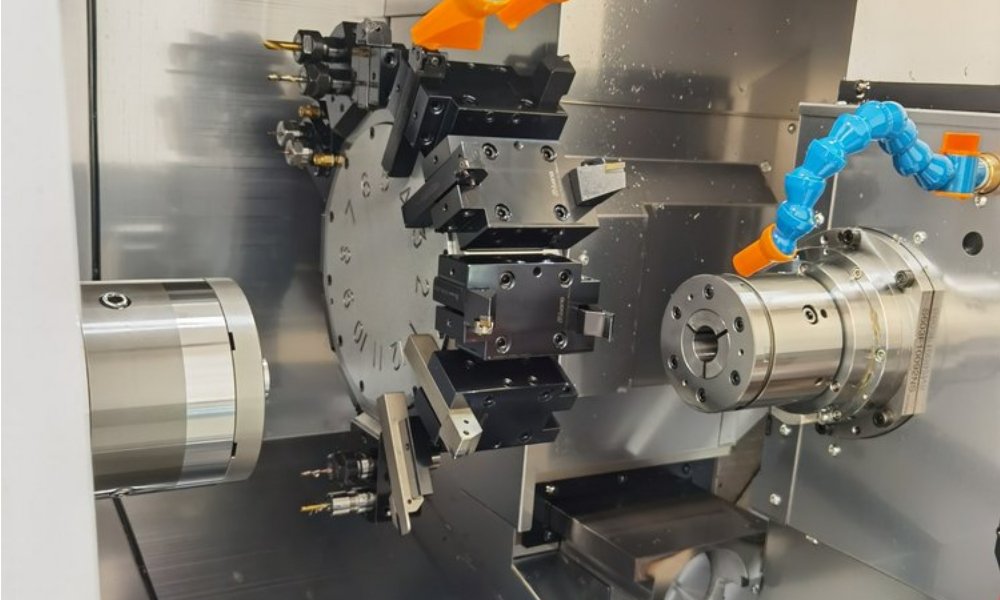
Small, high-volume brass parts pair especially well with Swiss-type lathes. Meanwhile, complex geometries benefit from 5-axis milling that completes features in one setup. That combination makes brass CNC machining ideal for connector and fitting programs of almost any size. Want a second opinion on the best process for your design? Send your drawings to XAP Precision for free advice with your quote. Our brass CNC machining service page shows the parts and tolerances we deliver regularly.
Surface Finishes That Make Brass Shine
Bare machined brass already looks attractive, yet finishes extend both appearance and service life. Notably, untreated brass tarnishes slowly in humid air, so most commercial parts carry some protection. Your finish choice shapes the final result of any brass CNC machining project:
- Polishing and buffing produce a mirror surface for decorative and optical parts.
- Chrome or nickel plating adds hardness plus a bright, tarnish-resistant barrier.
- Clear coat or lacquer locks in the natural gold tone at lower cost than plating.
- Brushed or satin textures hide handling marks on visible hardware.
Choose the finish early, because it affects both schedule and packing requirements. Our overview of CNC machining surface finishing options compares every treatment side by side.
Regulations matter here too. Parts that contact drinking water should use lead-free alloys and compliant coatings. Mention the application in your RFQ, and a careful shop will match finish and alloy accordingly.
Ordering Brass CNC Machining Parts Without Surprises
A professional brass CNC machining supplier removes the usual sourcing worries. First, quality: XAP Precision runs an ISO 9001-certified quality system, so inspection records travel with every shipment. Second, communication: a named engineer answers tolerance and alloy questions in plain English, with updates as milestones complete.
Third, intellectual property: controlled file access and NDAs on request keep your designs private. Ask any supplier about that policy before you send files. Fourth, shipping: raw brass tarnishes in transit if packed poorly, so export cartons use anti-tarnish protection and desiccant. Finally, material certificates and inspection reports can ship with your parts whenever you need traceability.
Inspection capability separates serious shops from the rest. Look for CMM measurement, calibrated thread gauges, and documented first-article reports. These habits catch problems before parts board a plane instead of after they reach your dock.
Frequently Asked Questions About Brass CNC Machining
Which brass grade machines best?
C360 free-cutting brass is the benchmark for machinability. It produces small, clean chips and excellent surface quality. However, it is not ideal for marine environments.
Are brass parts more expensive than aluminum?
Brass raw material costs more per kilogram, but it machines faster with less tool wear. Therefore, the final part price gap is often smaller than the material price gap.
What finishes work well on CNC machined brass?
Polishing, chrome or nickel plating, and clear protective coats are common. In addition, many buyers keep the natural brass look with a light anti-tarnish coating.
Start Your Brass CNC Machining Order Today
Ready to put brass to work? Upload your drawings through our contact page and receive a free quote plus free DFM feedback from our engineers. Need ten prototypes or ten thousand fittings? The XAP team will confirm alloy availability, finish options, and current scheduling before you commit.
The quote costs nothing and commits you to nothing. You get numbers, dates, and material advice you can act on immediately.
Brass CNC machining rewards buyers who specify grade, finish, and tolerance with care. Ultimately, the right supplier turns that care into parts that arrive on time and fit perfectly the first time.