
Custom carbon fiber (CFRP) parts machined in XAP’s own workshop. Plates are hot-pressed to your drawing from 0.2 mm up to 30 mm in 0.2 mm steps, and stable geometries hold tolerances around ±0.05 mm.
What Is Carbon Fiber Machining?
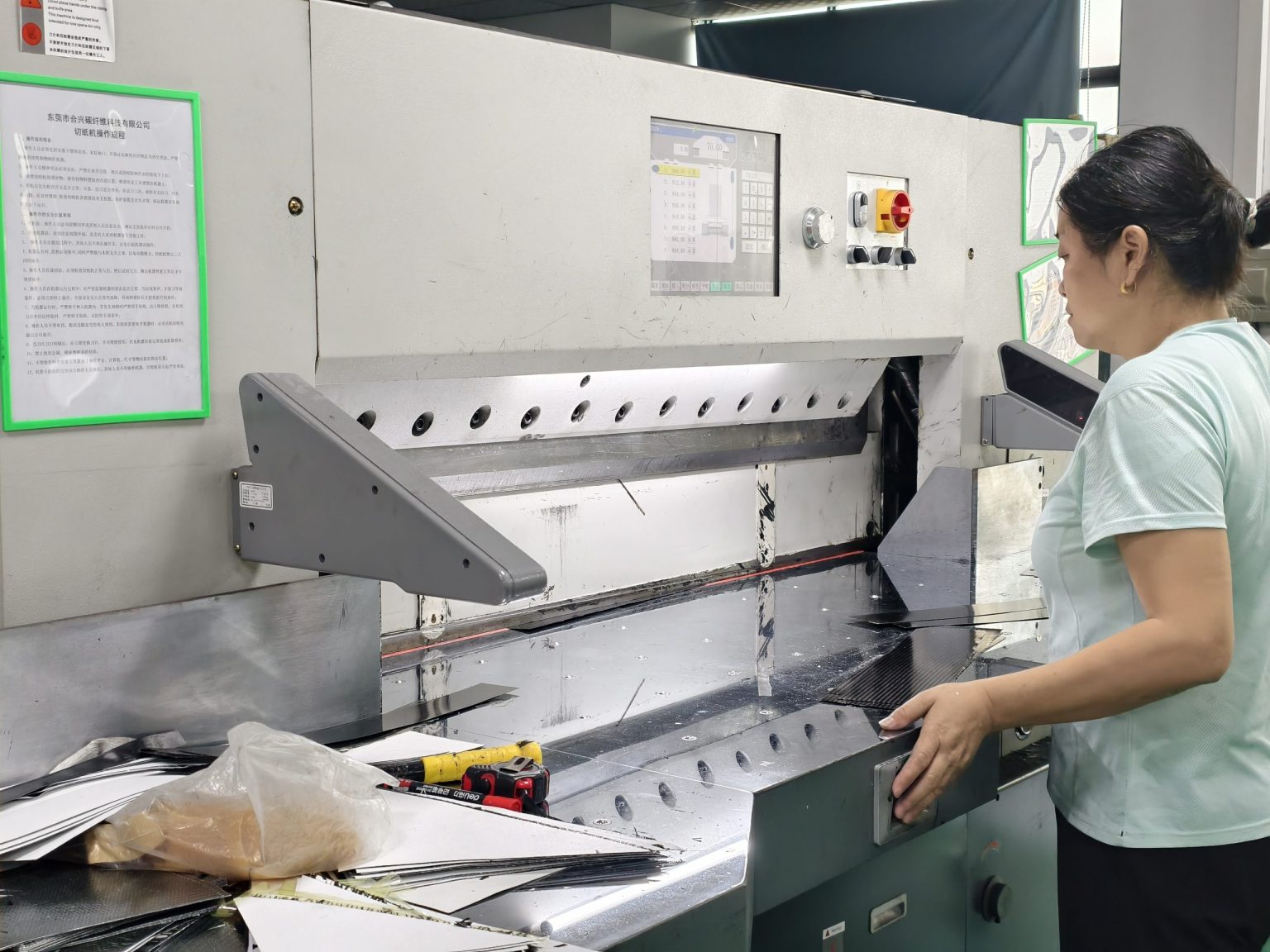
Carbon fiber machining is not metal cutting with a different blank. CFRP is anisotropic — its strength runs along the fibers, not across them — so every toolpath must respect ply orientation as much as part geometry. Cut against the grain and you get delamination, fuzzy edges and parts that fail early in service.
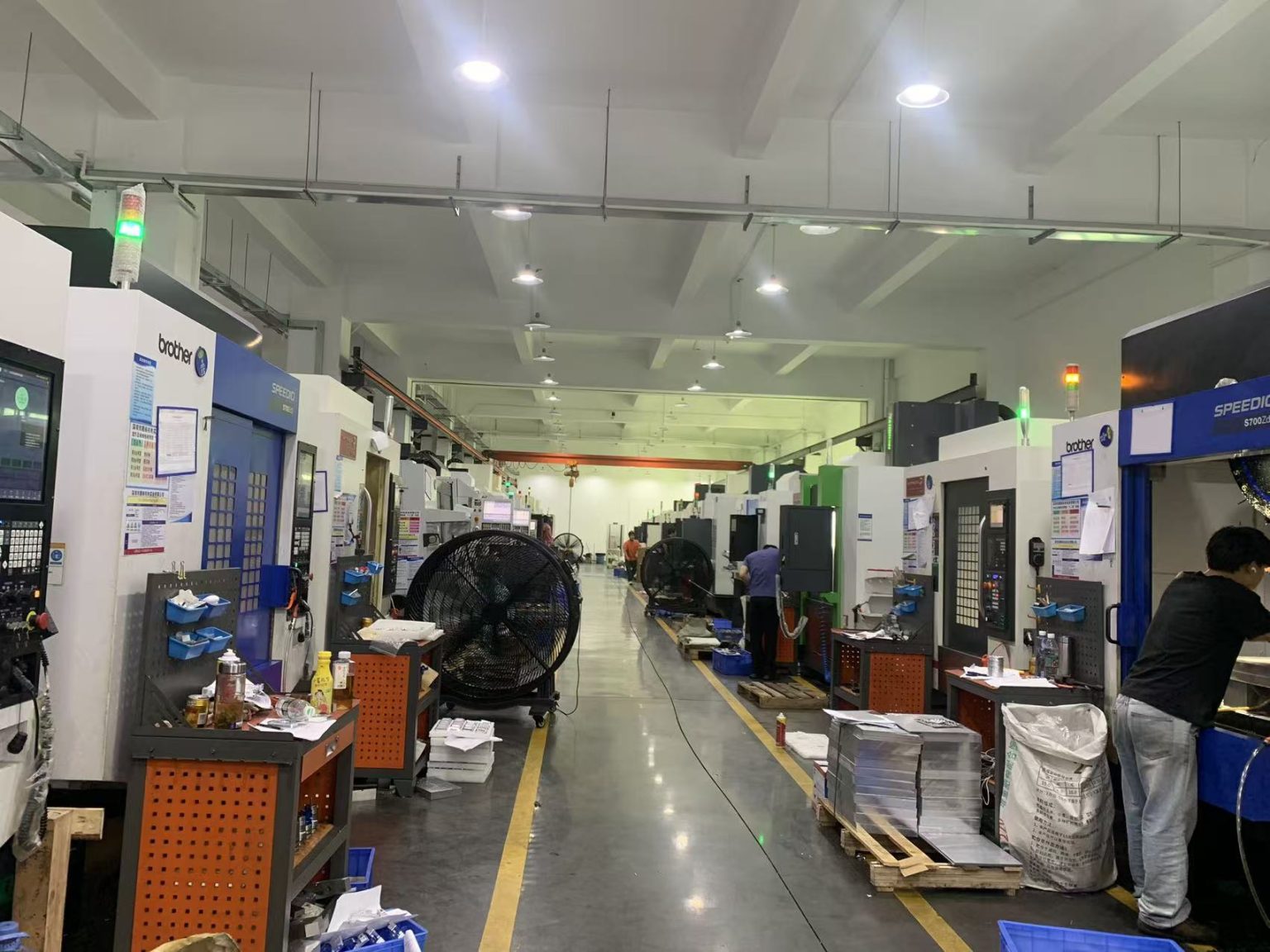
At XAP Precision, plates are hot-pressed to your drawing by partner press shops we have worked with for years, while CNC machining, surface finishing and final inspection all happen in our own workshop — one supplier, accountable from laminate to packed parts.
High Strength-to-Weight
Exceptional tensile strength at a fraction of the weight of steel or aluminum — the default choice where stiffness matters and every gram counts.
Lightweight
Roughly 5× lighter than steel yet 10× stronger, which is why drones, robots and portable equipment are built around CFRP structures.
Corrosion Resistant
Immune to rust and tolerant of most chemicals — well suited to marine, outdoor and chemical-plant environments.
Premium Prepreg, Checked on Arrival
Plates are laminated from high-quality carbon fiber prepreg sourced from audited suppliers — the same trusted mills batch after batch, so material behavior stays predictable on the machine.
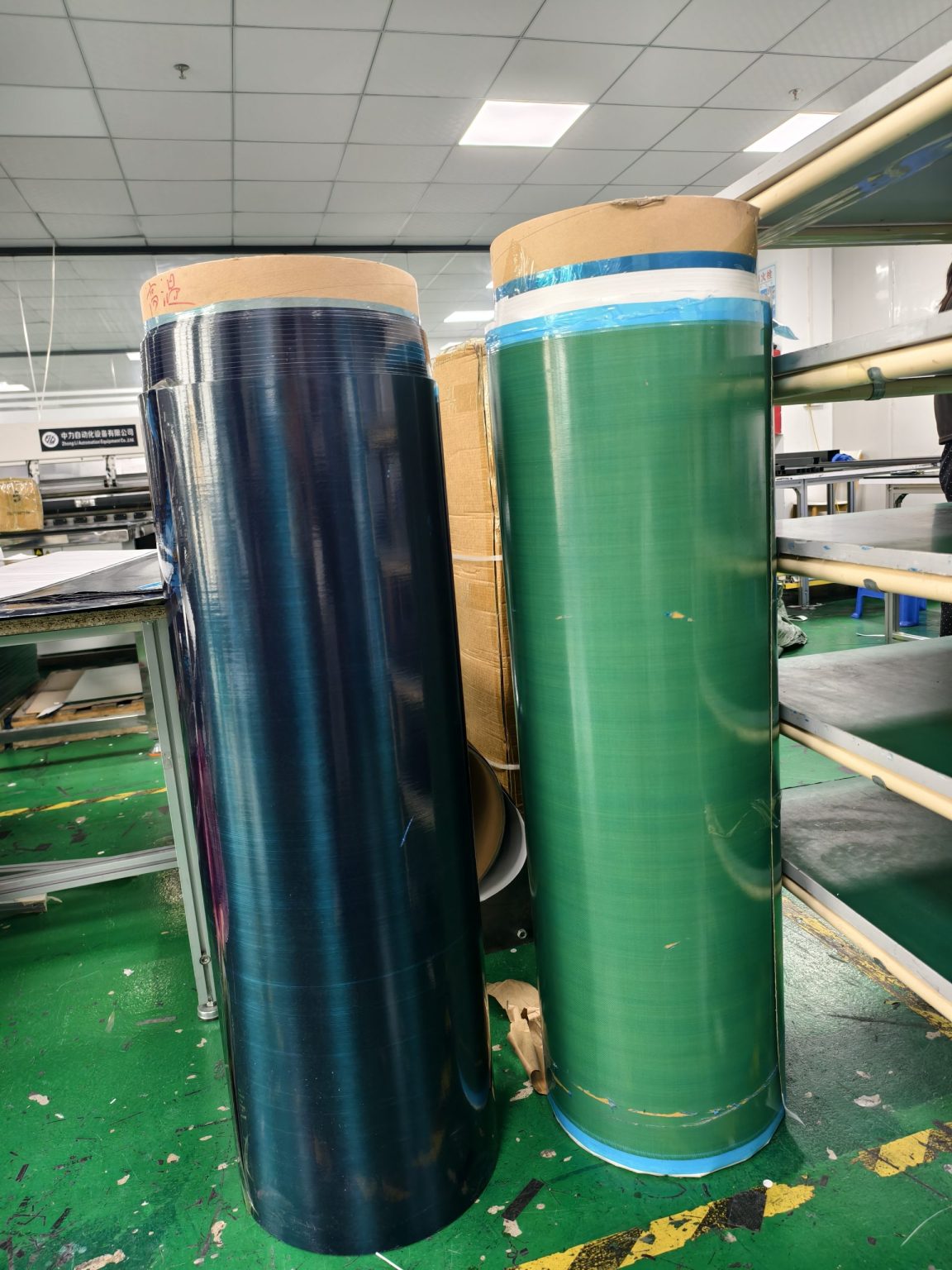
Workhorse carbon fiber with a solid strength-to-cost balance for general structural parts.
Higher tensile strength and stiffness for weight-critical components.
Outstanding impact and abrasion resistance for protective components.
Carbon-glass hybrid laminates that trim cost on non-cosmetic structural parts.
Plates Built to Your Thickness
Because plates are built layer by layer — prepreg plies stacked and hot-press cured — thickness is not limited to catalog sizes.
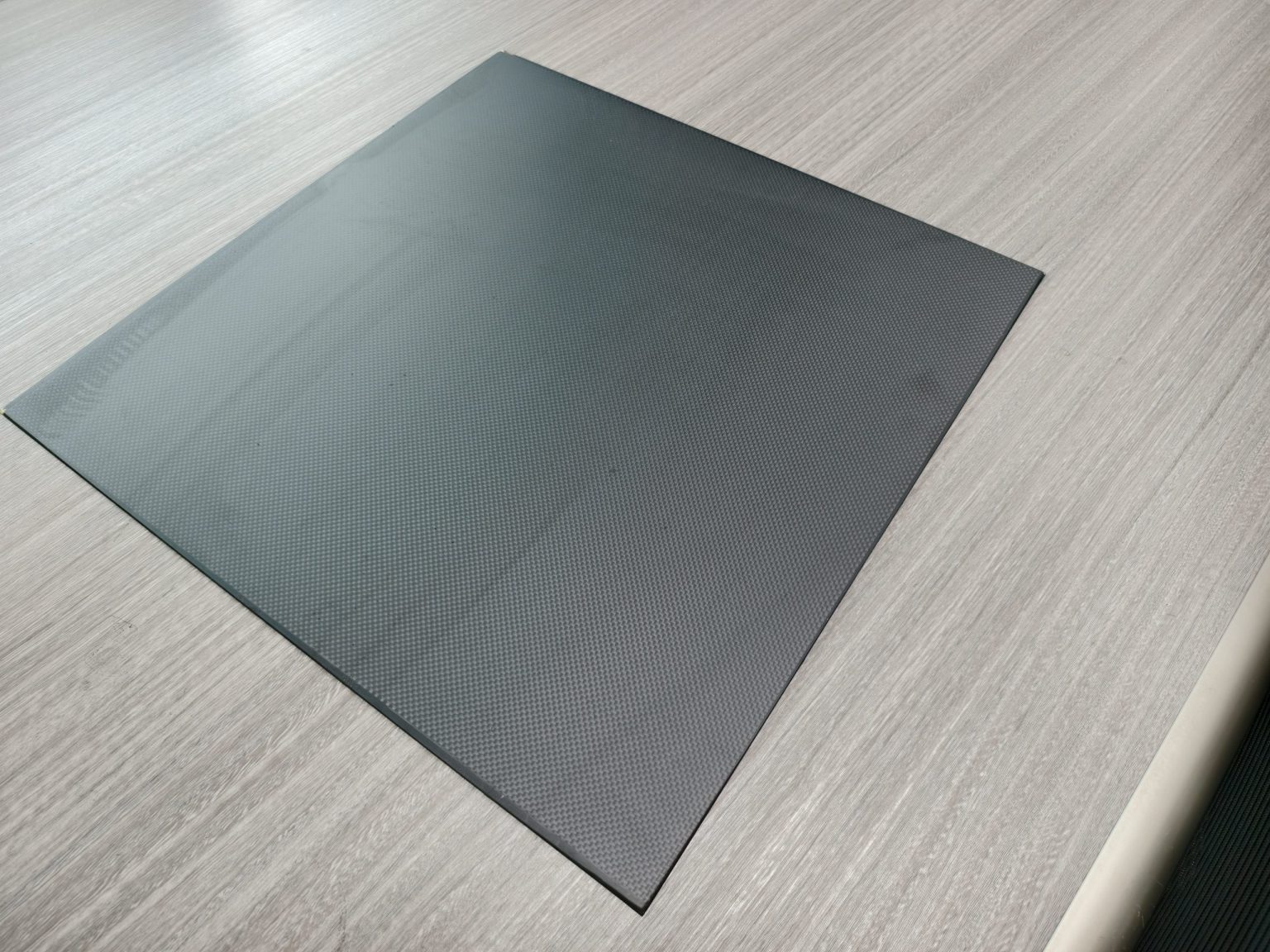
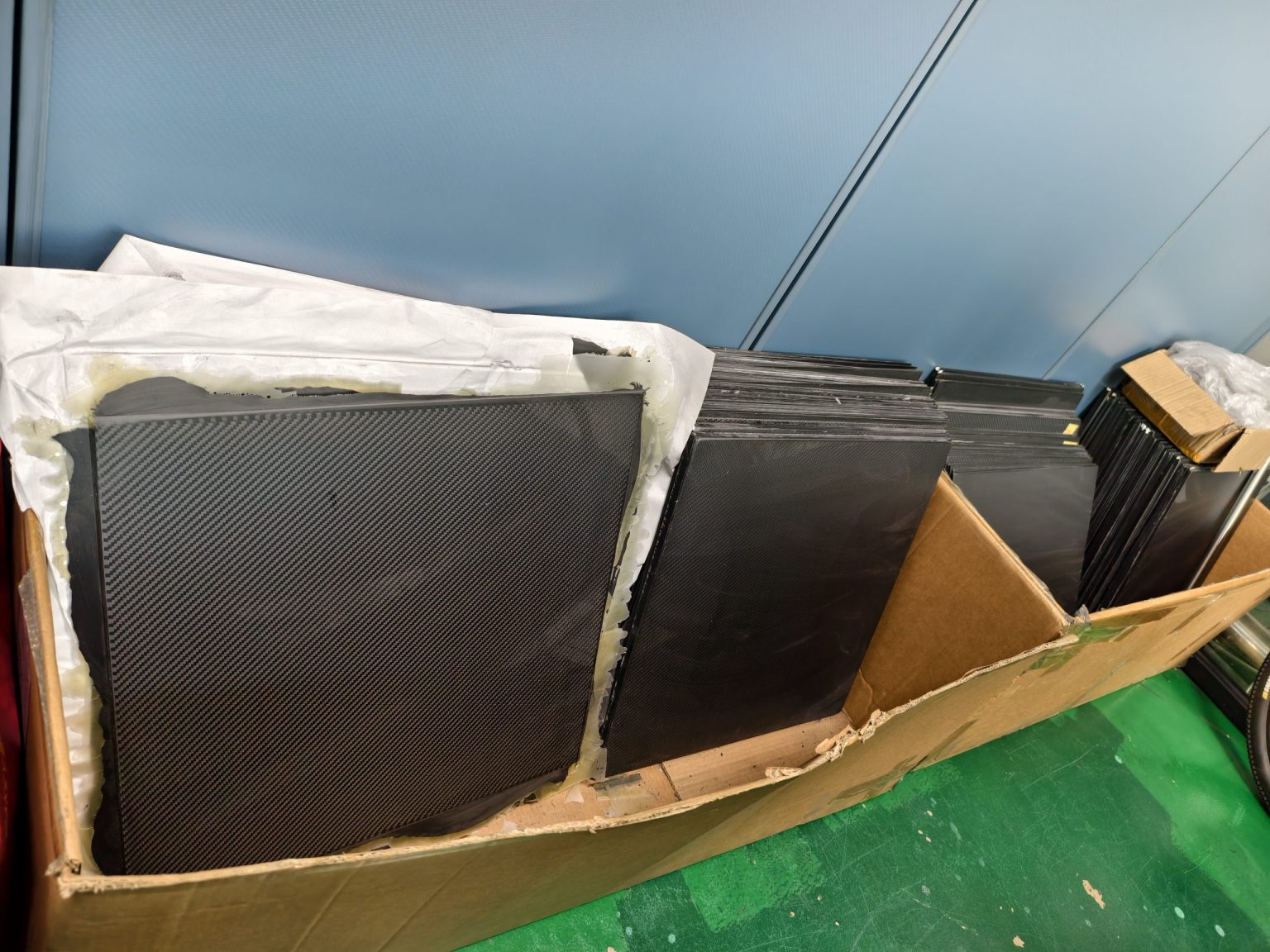
Finished CFRP plates ready for machining
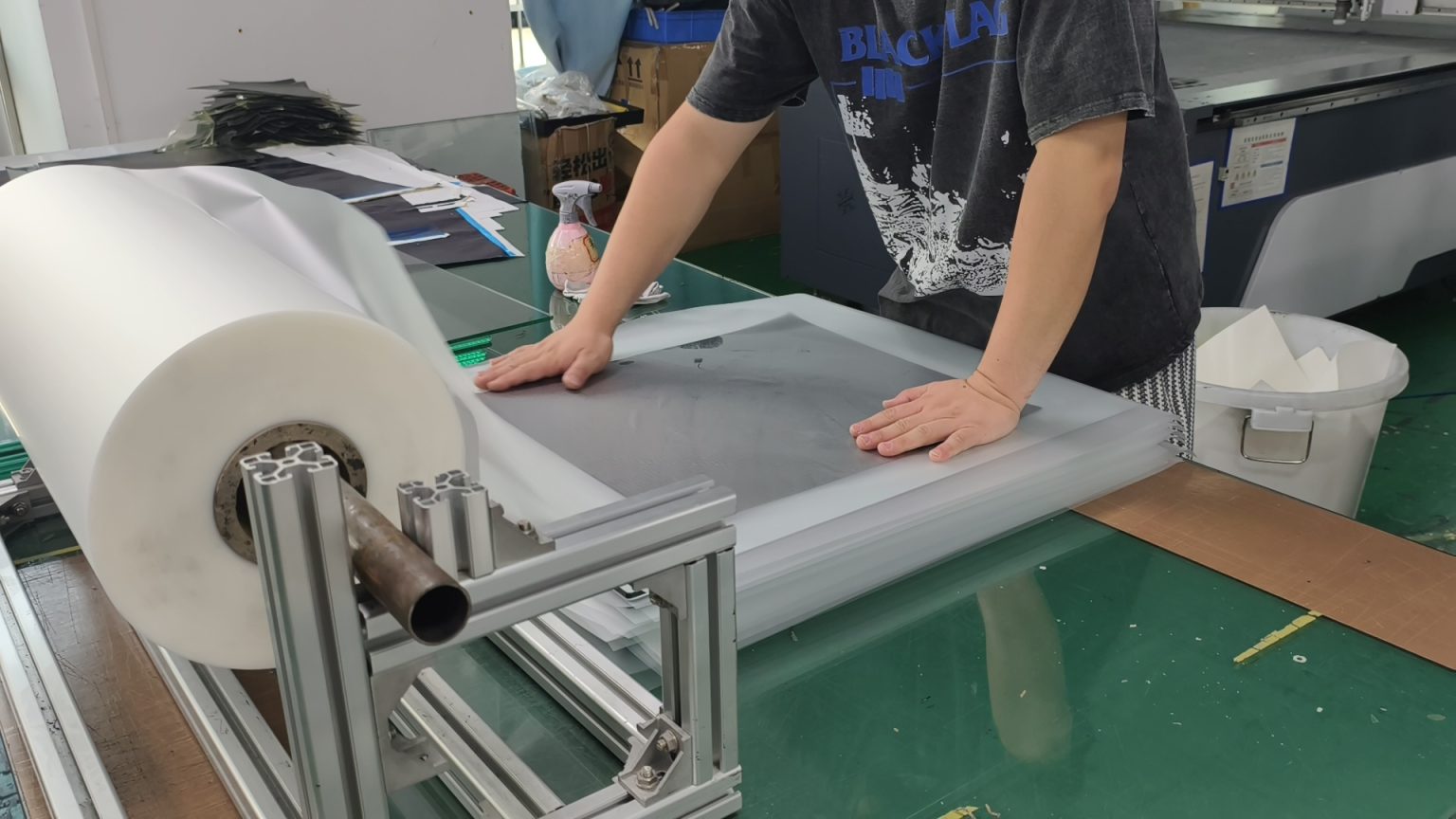
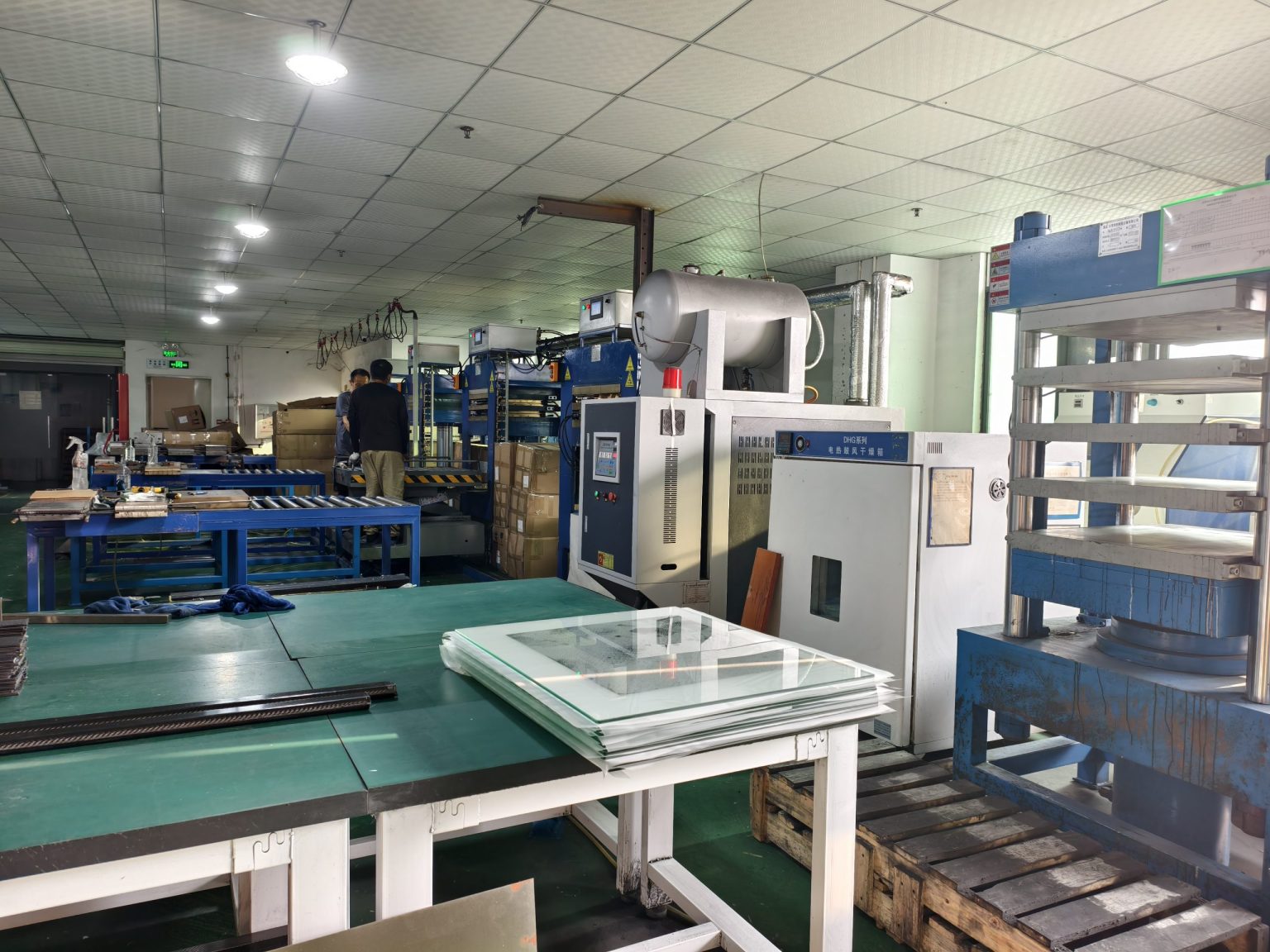
Prepreg laying-up and hot-press curing at our partner press shops
One Supplier, Five Controlled Steps
You deal with a single supplier while five controlled steps take the part from prepreg to packing:
Laminate Molding
Partner press shops hot-press prepreg to your thickness and stacking sequence.
Incoming Check
Lay-up consistency verified before anything goes on a machine.
CNC Machining
30+ machining centers with composite-specific tooling.
Surface Finishing
Edge sanding, sealing and painting as required.
Inspection & Packing
Vision, height gauge and CMM checks; parts packed for transit.
A Workshop Built for Composites
Our workshop runs more than 30 CNC machining centers with work envelopes up to around 500 × 500 × 300 mm, plus gantry routers with extended travel for larger plates. Composites are regular production here, not a prototype sideline.
Composite-Specific Cutting Tools
Compression router bits and diamond-coated tooling, kept sharp and replaced on schedule.
Vacuum Tables & Fixtures
Through-cuts sit on sacrificial backing so the underside never splinters.
Optimized Toolpaths
Helical ramping and controlled entry/exit moves instead of vertical plunging; light, fast cuts.
Full-Chain Inspection
2D vision machines, height gauges and a CMM for critical dimensions. First article inspection on every batch, report shipped with your parts.
Delamination, Controlled at Every Step
Delamination — layers pried apart instead of cleanly cut — is the most common failure mode in carbon fiber machining. We engineer it out across the whole process rather than patching it at the machine:
Where Our CFRP Parts End Up
Carbon fiber earns its keep wherever weight matters and strength cannot be compromised.
Drone & UAV Frames
Every gram off the airframe is flight time.
Robot Arms & Automation
Low inertia and high stiffness for fast, precise motion.
Medical Devices
X-ray transparent and MRI-compatible, light enough for portable equipment.
Sports Equipment
Racing bicycle parts, fishing rods and outdoor gear.
Aerospace Interiors
Non-structural, high-performance lightweight panels.
Frequently Asked Questions
Can you machine carbon fiber from our drawings?
Yes. Send your drawings (STEP or DWG) and we review manufacturability before quoting. Machining, finishing and inspection are in-house; plates come from partner press shops pressed to your specification.
What tolerance can you realistically hold?
About ±0.05 mm on stable parts. The achievable tolerance depends on laminate quality, part geometry and wall thickness, and we confirm it before you commit.
Can you make non-standard thicknesses?
Yes, in 0.2 mm increments — 4.2 mm, 12.4 mm and 18.6 mm are routine. Because thickness comes from stacking prepreg plies, it must be a multiple of 0.2 mm.
How do you prevent delamination?
Whole-process control: qualified hot-pressed laminates, sharp composite tooling, vacuum hold-down with sacrificial backing, optimized entry and exit toolpaths, and high-speed light cutting with dust extraction instead of flood coolant.
How do you handle carbon fiber dust?
Dedicated extraction runs on every composite machine. The dust is conductive and irritating, so machines are dedicated to composites or cleaned thoroughly between runs.
Request a Quotation
Send your drawings with material specification, thickness, tolerance, quantity and surface finish requirements. Our engineering team reviews every drawing and replies with pricing, achievable tolerance and lead time.
Prefer email? Reach us on the contact page.