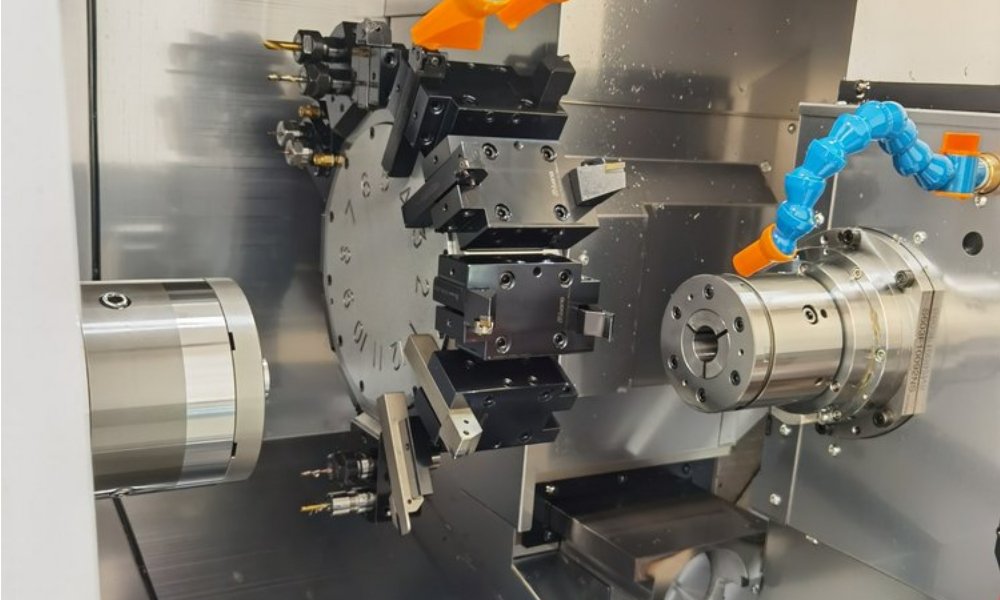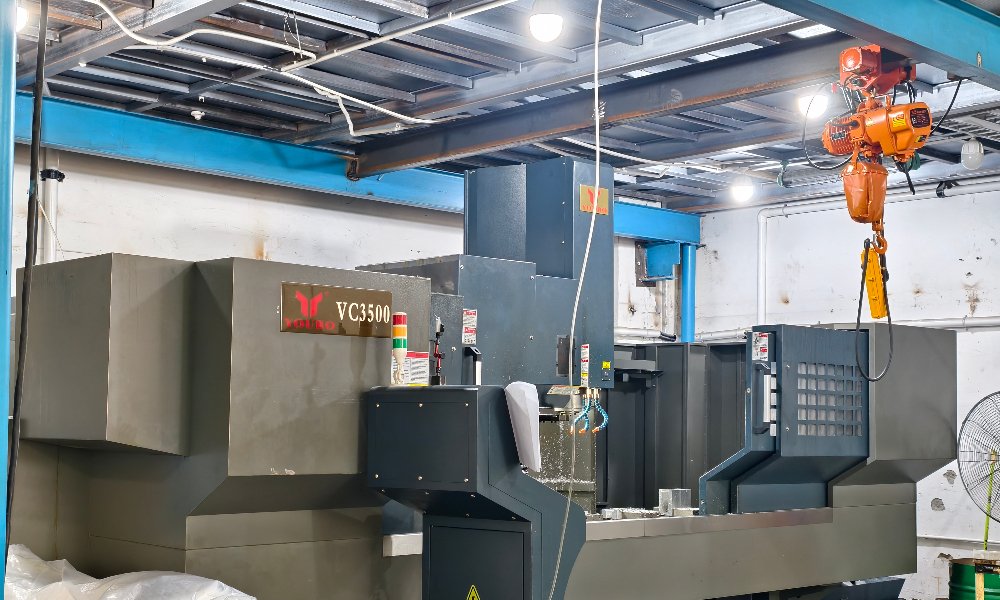
When a part must look like glass but weigh far less, acrylic CNC machining is the go-to choice. Acrylic, technically PMMA, delivers outstanding optical clarity, rigid surfaces, and forgiving machinability. Moreover, acrylic CNC machining pairs well with polishing treatments that few plastics can match. XAP Precision cuts and finishes acrylic parts under an ISO 9001 quality system. This guide explains why the material earns its place in precision assemblies.
Why Acrylic CNC Machining Wins for Clear, Precision Parts
Acrylic occupies a sweet spot between glass and cheaper commodity plastics. Specifically, buyers choose it for:
- Optical clarity. Acrylic transmits about 92 percent of visible light, rivaling high-quality glass.
- Light weight. It weighs roughly half as much as glass, so assemblies and mounts stay smaller.
- Safer breakage. Acrylic breaks into large, relatively dull pieces rather than sharp shards.
- UV and weather resistance. Notably, outdoor acrylic does not yellow or haze the way many plastics do.
- Easy finishing. Machined edges polish up to a glass-like shine with simple techniques.
As a result, acrylic CNC machining serves cosmetic and functional roles in the same part.
Buyers also appreciate the price-to-performance ratio. Acrylic costs less than most optical-grade plastics. In addition, it ships without special handling or packaging. Each advantage reinforces the others, which is why the material keeps spreading into new products.
Parts Commonly Made with Acrylic CNC Machining
Optical parts are the obvious use case, but the list runs wider. Typical acrylic CNC machining projects include:
- Lenses and light guides that route or spread light in instruments and displays.
- Display stands and retail fixtures with polished, showroom-quality edges.
- Instrument covers and sight windows that protect mechanisms while staying transparent.
- Machine guards and enclosures where operators need to see inside equipment.
- Cosmetic panels and faceplates for appliances, audio gear, and medical devices.
Meanwhile, one material can cover several of these roles at once. A machined acrylic cover, for example, can combine a window, mounting bosses, and a polished bezel in a single part. You can see typical shipped projects on our acrylic CNC machining service page.
Similarly, acrylic suits regulated and customer-facing environments. Medical and food equipment teams specify it because it cleans easily and looks professional.
How Shops Avoid Cracks and Chips During Acrylic CNC Machining
Acrylic is brittle, and brittle materials punish shortcuts. However, a few proven tactics keep parts clean and crack-free.
First, pick the right stock. Cast acrylic machines noticeably better than extruded acrylic. It cuts cleaner and resists melting. In fact, cast acrylic carries fewer internal stresses that lead to cracking. Extruded sheet costs less but chips more easily. Therefore, XAP Precision defaults to cast stock for precision parts.
Second, tool geometry matters. Sharp single- or double-flute cutters with polished flutes evacuate chips fast and avoid rubbing. O-flute end mills are a common choice for plastics. Dull or high-flute-count tools generate heat, and heat melts chips back onto the cut edge.
Third, feeds and speeds must match the material. At very low speeds, the tool rubs and overheats. Push too fast, and the edge chips instead. The sweet spot produces small, cool chips. In addition, air blast keeps the cut zone cool without shocking the part.
Drilling deserves special mention. Standard twist drills grab and crack acrylic. Therefore, we use drills ground for plastics, with polished flutes and gentle rake angles. Peck drilling clears chips and keeps heat down. As a result, drilled holes come out clean, round, and crack-free.
Finally, support the workpiece without stressing it. Clamps should hold firm without bending the sheet, and backing boards help prevent breakout. Keeping the protective film on until final inspection also prevents scratches. These habits define reliable acrylic CNC machining.
Polishing Acrylic CNC Machining Parts to a Glass-Like Finish
Finishing is where acrylic CNC machining parts truly come alive. Milled edges come off the machine translucent but frosty. Polishing brings back full clarity. Diamond polishing produces crisp, optical edges on flat parts. Buffing with a fine compound removes fine scratches from larger faces. Flame polishing, meanwhile, sweeps a controlled flame across an edge to melt it smooth, and it works beautifully on contours. In fact, a well-flame-polished edge can match glass visually.
Solvent, or vapor, polishing offers one more route. It smooths complex contours that a wheel cannot reach. However, it suits certain geometries only, so we review each part first.
Each method suits different geometries and cosmetic requirements. Our guide to CNC machining surface finishing options walks through the full menu, including acrylic polishing.
Designing a clear part? Send us your file for a free quote and free DFM feedback before production begins.
Design Details That Make Acrylic Parts Look Great
Optics reward thoughtful design. First, wall thickness should stay uniform where possible, because uneven sections polish to different gloss levels. Similarly, avoid abrupt thickness changes near polished edges. Second, inside corners benefit from small radii. Sharp corners concentrate stress and can crack during machining or later in service.
Consider the viewer, too. A window that faces users deserves a polished finish on its visible edges, while hidden mounting features can stay as machined. For example, specify a diamond-polished bezel but leave screw bosses raw. Notably, mark cosmetic surfaces explicitly on the drawing so the shop knows where to focus. That selectivity keeps cosmetic quality high without inflating cost. Our material selection guidance covers clarity grades and alternatives, so ask us about any optical requirement.
Acrylic vs. Polycarbonate: A Quick Comparison
Buyers often ask whether polycarbonate is the better plastic. The honest answer depends on the application. Polycarbonate is dramatically tougher and handles higher temperatures. Fabricators can even form and bend it. However, it scratches more easily, yellows under UV light unless it carries a coating, and costs more.
Acrylic, in contrast, is harder, clearer, and more scratch-resistant. It also polishes to a higher optical standard and resists sunlight naturally. In fact, acrylic typically sells for less than polycarbonate. As a rule of thumb, choose acrylic for clarity, stiffness, and outdoor use. Choose polycarbonate when impact resistance dominates. In other words, match the material to the failure mode you fear most. Ultimately, acrylic CNC machining remains the better value for most optical parts. Our plastic CNC machining guide compares even more options side by side.
Frequently Asked Questions About Acrylic CNC Machining
Why does acrylic crack during CNC machining?
Heat and vibration are the main causes, especially in drilled or thin sections. Therefore, shops use cast acrylic stock, sharp single-flute tools, and moderate feeds to keep parts crack-free.
Can CNC machined acrylic look like glass?
Yes. Diamond cutting, flame polishing, and vapor polishing restore optical clarity on edges and faces. As a result, machined acrylic suits lenses, light guides, and display parts.
Is acrylic or polycarbonate better for CNC parts?
Acrylic offers better clarity and polish, while polycarbonate resists impact far better. Choose acrylic for optics and displays, and polycarbonate for protective parts.
Start Your Acrylic CNC Machining Project with a Free Quote
Clear parts leave no room for sloppy workmanship. XAP Precision machines acrylic, other plastics, and metals under the ISO 9001 quality management standard. As a result, every window, lens, and cover comes out crisp. Prototype lead times stay short, and production schedules hold firm. Visit our contact page to upload your drawings and receive a free quote plus free DFM feedback. Every project starts with a drawing review. That step, in practice, catches most cosmetic risks before any chip flies. In short, clarity is a manufacturing discipline, and we treat it that way. Send your files today and see how fast acrylic CNC machining can move your project forward.