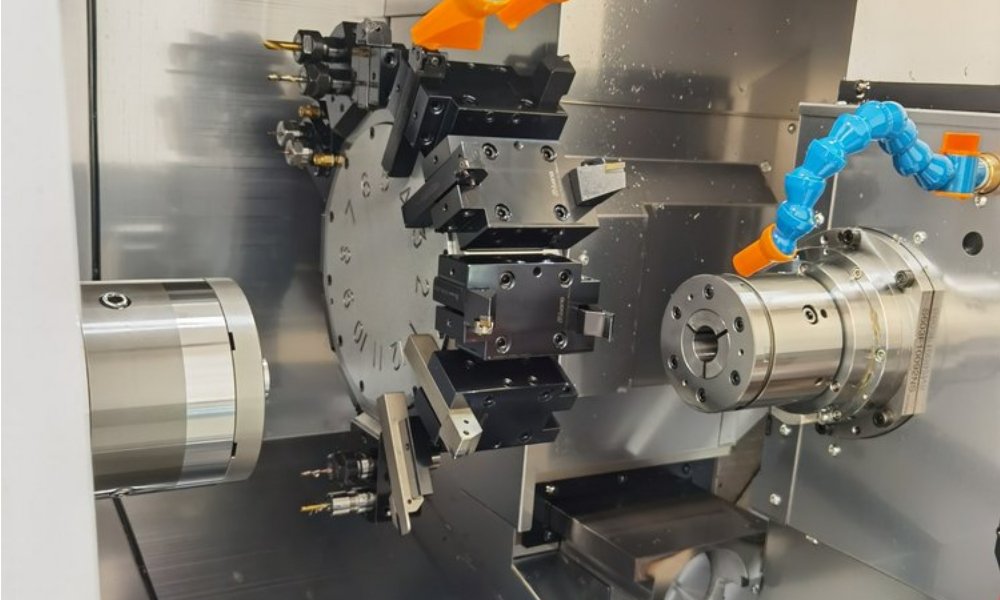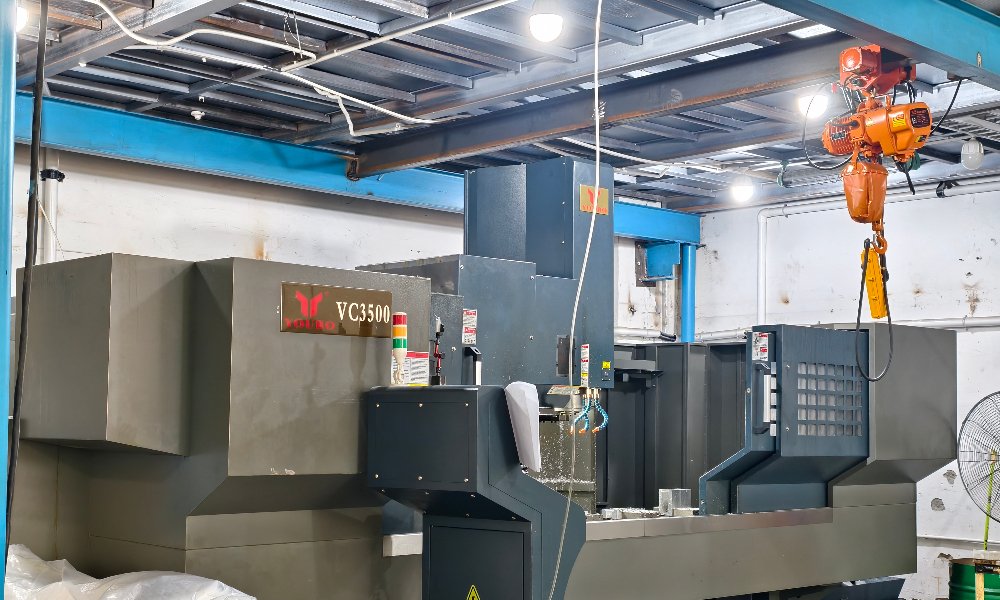
Carbon steel CNC machining is the workhorse of custom part production. Shafts, brackets, fixtures, and tooling all start as low-cost steel stock and leave as parts strong enough for years of hard service. Carbon steel machines readily, welds readily, and costs a fraction of stainless or titanium. That is why it remains the default choice for structural and mechanical components.
XAP Precision machines carbon steel grades from 1018 to 4140 on CNC mills, lathes, and Swiss-type machines, with finishing options that stop rust before it starts. This guide walks through the grades buyers actually specify. It also covers the trade-offs between machinability and weldability, and the finishing decisions that keep steel parts looking right in service.
A Buyer’s Menu of Grades for Carbon Steel CNC Machining
Four grades cover most carbon steel CNC machining work:
- 1018. The general-purpose favorite. Low carbon, easy to machine, easy to weld, and adequate strength for brackets, pins, and housings. It also case-hardens if surface wear matters.
- 1045. Medium carbon, stronger and harder than 1018, with good machinability in cold-rolled or normalized bar. It is the standard pick for shafts, gears, and anything that sees real load.
- A36. A structural hot-rolled steel common in frames, bases, and weldments. Strength is modest but consistent, and it welds beautifully.
- 4140. Technically an alloy steel, with chromium and molybdenum added, but it lives in the same buyer conversation. It is heat treatable to high strength and tough enough for demanding service.
Stock form matters as much as grade. Cold-rolled 1018 bar holds tighter size and finishes cleaner than hot-rolled stock. A36 usually arrives hot-rolled with scale, so machined faces need enough stock to clean up. Ask your shop which form suits the part before ordering material.
Beyond these four, free-machining grades like 12L14 deserve a mention for high-volume turned parts. The lead addition breaks chips beautifully, though weldability and heat-treat response suffer. For prototype quantities, the four grades above cover most needs.
Each step up in carbon or alloy content buys strength at the price of machinability and weldability, so matching grade to load is the core decision.
Machinability Versus Weldability: The Core Trade-Off
Carbon content drives both properties in opposite directions. Low-carbon grades like 1018 and A36 weld with almost no precautions. The low carbon keeps heat-affected zones soft and crack-resistant. Machinability is good, though the soft ferrite can produce long, stringy chips and built-up edge at the wrong speeds.
Higher-carbon and alloy grades reverse the equation. 1045 machines cleanly and holds a fine finish. 4140 machines respectably in annealed bar. However, both need preheat and post-weld care to avoid cracking in a weldment. If your design mixes heavy machining with heavy welding, tell the shop up front. Sequence decisions, such as weld first, machine after, or stress-relieve between, shape the quote.
Heat treatment adds another branch to carbon steel CNC machining. 4140 parts often run rough machining, quench and temper, then finish machining. That sequence lets hardened surfaces land on tolerance. Planning it early keeps lead times honest.
Rust Never Waits: Finishing Carbon Steel Parts
Bare carbon steel oxidizes the day it leaves the coolant. Any specification should include a finish, and the choice depends on function and looks:
- Black oxide. A thin conversion coating, dimensionally nearly invisible, with modest rust resistance once oiled. It is the classic look for tooling and fixtures.
- Zinc plating. Clear or yellow chromate zinc is the standard economical barrier for brackets and hardware that sees indoor or light outdoor duty.
- Paint and powder coat. Thick barriers for frames and enclosures, with color flexibility as a bonus.
- Nickel and other platings. Chosen for wear resistance or appearance requirements.
Threads, bearing seats, and mating faces often need masking or machining after coating, so call out protected areas on the drawing. Our surface finishing guide compares these options across cost, thickness, and durability. Our steel CNC machining page covers the wider alloy families in more depth.
Between machining and coating, parts need temporary protection too. Reputable shops apply a rust preventive after the final wash, because even fingerprints can seed corrosion on bare steel within days. It is one more reason finishing belongs in the carbon steel CNC machining conversation from day one.
Typical Parts Made by Carbon Steel CNC Machining
Carbon steel CNC machining shows up everywhere load and cost matter. Common examples include:
- Shafts and spindles in 1045 or 4140, often with ground journals and keyways.
- Brackets, mounts, and gussets in 1018 or A36, usually welded and plated.
- Fixtures and tooling plates that hold production parts, where 4140 details wear well.
- Gears, sprockets, and couplings machined from bar and heat treated.
- Welded frames and bases built from A36 plate and machined at critical interfaces.
The pattern is consistent: steel parts tend to be load-bearing, impact-tolerant, and cost-conscious. Where those three describe your part, carbon steel CNC machining deserves the first look.
Design and Cost Notes for Steel Parts
Carbon steel CNC machining forgives many design habits that aluminum does not. Wall thickness is rarely a chatter problem. Interrupted cuts that would destroy thin aluminum walls are routine here. The cost levers live elsewhere: stock size versus near-net shape, the number of setups, tolerance calls that force secondary grinding, and finish specifications that force masking labor.
Tolerances deserve respect as well. Steel moves slightly through heat treat, so precision fits usually land after hardening. Budget a grinding or hard-milling pass for bearing seats that must finish at final hardness.
If you are deciding between carbon steel and stainless for one of these parts, XAP Precision offers free DFM feedback with every quote, so the trade-offs are visible before you commit.
One practical note: specify heat treat and finish on the drawing, not in an email. Coating thickness and hardness directly affect tolerance bands, and shops read prints first. Clear callouts translate to faster quotes and fewer surprises on carbon steel CNC machining projects.
Frequently Asked Questions About Carbon Steel CNC Machining
Which carbon steel grade should I choose for shafts?
1045 is the default shaft grade. It offers a good balance of strength, machinability, and response to heat treatment. For heavier loads or impact, 4140 alloy steel with quench and temper delivers more toughness. Share your torque and speed figures with the shop and the grade choice follows.
Does carbon steel cost more to machine than stainless steel?
Usually less. Plain carbon grades cut faster, wear tooling slower, and cost less per kilogram than stainless. Some free-machining stainless grades narrow the gap, but for equivalent geometry, carbon steel CNC machining typically lands at a significantly lower part price.
How do I keep machined steel parts from rusting?
Specify a finish. Black oxide with oil suits tooling. Zinc plating covers indoor hardware. Powder coat protects frames and enclosures. Until parts ship, shops apply a rust preventive, and good packaging keeps moisture out during transit. Name the service environment and your shop can match the protection.
Get a Free Quote on Your Carbon Steel Parts
XAP Precision machines 1018, 1045, A36, and 4140 parts on multi-axis CNC mills and lathes, backed by ISO 9001 processes and a full range of finishing options. Send drawings or step files and we will return pricing with free DFM feedback. Request your free carbon steel CNC machining quote today.