2024 aluminum built its reputation in the sky. Developed for aircraft structures decades ago, this copper-bearing alloy still anchors skins, frames, and fittings where fatigue strength decides whether a design survives years of pressure cycles. For buyers, this alloy is a purposeful choice. It trades weldability and corrosion convenience for strength that outperforms more common grades under repeated loading.
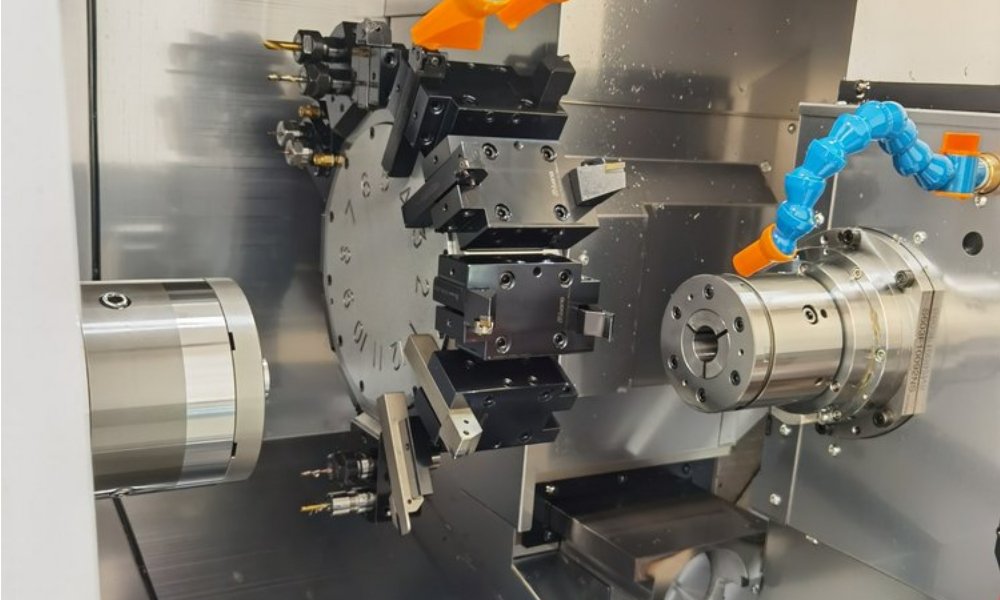
XAP Precision machines 2024 alongside 6061, 7075, and other aerospace alloys on 3-, 4-, and 5-axis machining centers. This guide explains where 2024 wins, where it loses, and how to decide whether it belongs on your drawing.
What 2024 Aluminum Brings to the Table
2024 is an aluminum-copper-magnesium alloy, most often supplied as 2024-T351 plate or T3 sheet. Its headline properties are high tensile strength, good fatigue resistance, and decent toughness for a heat-treated alloy. The fatigue performance is the differentiator. Aircraft skins swell and relax with every pressurization cycle, and 2024 resists the crack initiation and slow growth that end parts long before static strength becomes relevant.
That is why aerospace structures lean on it. Fuselage skins, wing skins, bulkheads, and structural fittings all exploit repeated-load performance. Outside aerospace, 2024 aluminum appears wherever engineers borrow aircraft practice. Racing components, high-cycle tooling, and fatigue-loaded hydraulic hardware specify it for the same reason.
Temper matters. T351 plate is solution heat treated, stress relieved by stretching, and aged, which keeps distortion under control during machining. T3 sheet serves formed skin parts. T4 and T6 tempers exist as well, but T351 dominates the machined-plate market. Specifying temper on the drawing avoids surprises in both machining and inspection.
2024 Aluminum Versus 6061: The Common Crossroad
Most buyers arrive comparing 2024 aluminum with 6061, and the honest answer is that the two serve different jobs:
- Strength. 2024-T3 runs roughly 45 to 50 percent higher tensile strength than 6061-T6.
- Weldability. 6061 welds readily. 2024 welds poorly and is generally considered unweldable for structural use, so designs are riveted, bolted, or bonded instead.
- Corrosion. 6061 resists corrosion well on its own. The copper in 2024 lowers resistance, so aerospace practice clads sheet with pure aluminum or applies protective finishes.
- Cost and availability. 6061 is cheaper and stocked everywhere. 2024 costs more and comes in fewer stock forms.
The rule of thumb is straightforward. If the part welds, lives outdoors bare, or carries moderate load, 6061 wins. If cyclic strength governs, 2024 aluminum earns its premium.
Surface treatment tells the same story. A 6061 part can ship bare or clear-anodized with confidence. A 2024 part usually asks for primer, conversion coating, or cladding before it meets weather.
2024 Aluminum Versus 7075: Strength Is Not the Whole Story
Compare 2024 with 7075 and the picture inverts in interesting ways. 7075 is stronger in tension, sometimes by 15 to 20 percent, so static-load designs gravitate toward it. Yet 2024 often wins on fatigue, especially in sheet and plate forms, because its copper chemistry tolerates repeated strain better. Toughness follows the same pattern. 2024 resists crack propagation more stubbornly.
Aircraft designers encode that trade-off in their choices. Wing and fuselage skins that see millions of cycles tend toward 2024, while fittings, spars, and highly loaded machined parts lean 7075. Machinability runs close between the two. Both cut well with sharp tooling, and both need stress-relieved plate to avoid distortion on deep pockets.
Cost tips the other way. 7075 typically prices above 2024, so fatigue-governed designs often land on 2024 for budget reasons as well as performance.
Machining 2024 Aluminum: What Shops Do Differently
Machinability is genuinely good. 2024 aluminum chips cleanly at high speeds, holds fine detail, and tolerates aggressive roughing. A few habits keep results consistent:
- Stress-relieved plate matters. Deep pockets in non-relieved plate can move as residual stress redistributes, so we default to T351 stretched plate for structural milling.
- Watch the burr. 2024 is tougher than 6061, so edge burrs form stubbornly and need a deliberate deburr plan.
- Protect bare surfaces. Machined 2024 corrodes faster than machined 6061, so parts get corrosion preventive or conversion coating before shipment if they will sit.
- Anodize with eyes open. The copper content darkens Type II anodize and limits colors, so appearance parts need early specification.
Thin skins and tall ribs machine best with light axial cuts and generous support. Vacuum fixtures and wax workholding keep delicate panels flat through the final passes.
Deburring and edge finishing round out the process. A consistent edge-break specification keeps cosmetic and functional parts on the same page from first article to delivery.
Cutting fluids deserve a note as well. Copper-bearing aluminum can stain with the wrong chemistry, so shops experienced with 2024 pick fluids that protect both finish and skin.
When Buyers Should Specify 2024 Aluminum
Choose this alloy when any of these describe the part. The loading is cyclic and fatigue governs life. Fracture toughness matters more than ultimate strength. The design follows aerospace heritage or specification. Or the part is a skin, frame, or fitting that gets riveted or bolted rather than welded.
Choose something else when the part welds, sees salt water without protection, or simply needs general strength at low cost. 6061 covers most general needs, 5052 owns marine and formed applications, and 7075 owns pure static strength. Our material selection guide maps these decisions in detail. Our aluminum CNC machining page covers the full alloy menu we run.
One more signal matters: when your existing fleet or assembly already specifies 2024, matching the alloy keeps repairs and spares consistent. When a print lands on 2024, quote it honestly. Material costs more and availability runs thinner, so lead times may stretch slightly. For the right job, though, no other alloy delivers the same fatigue life per dollar. If you are weighing 2024 against a substitute for a fatigue-critical part, XAP Precision provides free DFM feedback with every quote.
Frequently Asked Questions About 2024 Aluminum
Is 2024 aluminum stronger than 6061?
Yes, substantially. 2024-T3 tensile strength runs roughly 45 to 50 percent above 6061-T6, and fatigue performance is also better. The trade-offs are weldability and corrosion resistance, where 6061 wins clearly. For cyclic-loaded aerospace-style parts, 2024 aluminum is usually the stronger case.
Can 2024 aluminum be welded?
Generally no, at least not for structural use. The copper chemistry makes welds crack-prone, so 2024 designs are riveted, bolted, or bonded. If your design depends on welding, 6061 or 5052 is the practical route, and we flag that during DFM review.
Does 2024 aluminum corrode easily?
It corrodes faster than 6061 or 5052 because copper lowers the alloy’s natural resistance. Aerospace practice manages this with alclad sheet, primers, conversion coatings, or careful anodizing. Tell your shop the exposure environment and the right protection usually follows naturally.
Get a Free Quote on Your 2024 Aluminum Parts
XAP Precision machines 2024, 6061, 7075, and other aluminum alloys on multi-axis CNC machining centers, backed by ISO 9001 quality processes and honest alloy advice. Send drawings or step files and we will return pricing with free DFM feedback. Request your free 2024 aluminum quote today.