5052 aluminum is the marine-grade alloy buyers reach for when salt, spray, and weather decide a part’s lifespan. With excellent corrosion resistance, good formability, and moderate strength, 5052 aluminum fills the gap between soft, bendable sheet alloys and stronger machined grades like 6061 and 7075.
XAP Precision machines and fabricates 5052 alongside 6061, 7075, and 2024 on CNC mills and lathes, and we advise honestly on which alloy the job truly needs. This guide covers where 5052 wins, how it cuts, and when to keep it off the drawing.
What Makes 5052 Aluminum Different
5052 is a magnesium-alloyed aluminum supplied most often as H32 or H34 sheet and plate. Magnesium strengthens the alloy without heat treatment, so strength comes from strain hardening. That is why temper designation matters:
- H32. Strain-hardened and stabilized. The common sheet temper, with good formability retained.
- H34. Harder and stronger, with less formability margin.
- O temper. Fully soft material for deep forming or where flatness after welding matters.
The headline properties are three. Excellent corrosion resistance, especially in salt water. Good fatigue strength for its class. And formability that stronger alloys cannot match. Weldability is also good, which rounds out a genuinely versatile alloy. The alloy also takes conversion coatings and primers well, which matters for painted marine assemblies.
Strength sits in the middle of the aluminum family. 5052 aluminum runs stronger than 1100 or 3003 but below heat-treated grades like 6061-T6. For many enclosures, panels, and tanks, that middle ground is exactly right.
Buyers sometimes confuse 5052 with 5083, its stronger sibling. 5083 serves welded pressure vessels and ship hulls at higher strength. 5052 remains the more formable, more widely stocked choice for panels, tanks, and fabricated sheet parts.
Where 5052 Aluminum Beats 6061
The two alloys get compared constantly, and 5052 aluminum wins specific jobs outright:
- Marine hardware. Hull panels, decks, masts, and dock fittings live in salt water, and the alloy’s corrosion resistance is the reason it is the default marine choice.
- Fuel and fluid tanks. Resistance to fuels and hydraulic fluids, plus good weldability, makes it standard for tank construction.
- Parts that bend. Enclosures, chassis, and brackets formed from sheet. 5052 tolerates tight bends that would crack 6061-T6.
- Salt-laden environments. Coastal architecture, offshore fixtures, and transportation bodies all lean on the same chemistry.
6061 wins back the advantage when strength or heavy machining dominates, because it is stronger and chips more cleanly. The honest summary: choose 5052 for corrosion and forming, 6061 for strength and machinability, and let the job decide.
Machining 5052 Aluminum: Soft Means Strategy
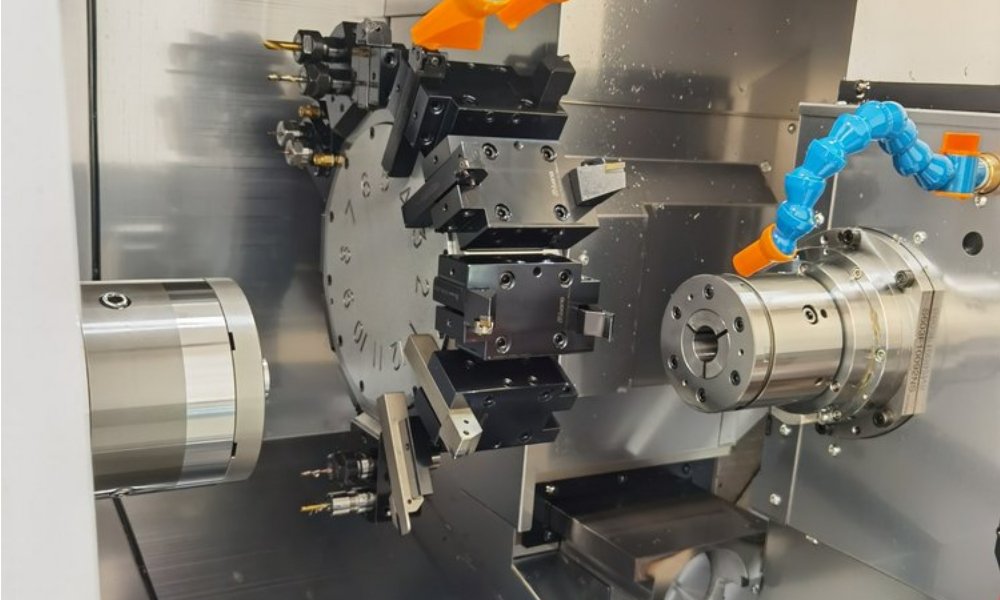
5052 machines, but it machines soft. Compared with 6061, chips smear more readily, burrs form easily, and finishes can look torn rather than cut if the tool is anything less than sharp. Our approach to 5052 aluminum milling and turning includes:
- Razor-sharp, polished tooling. High rake angles and polished flutes shear the soft alloy cleanly instead of tearing it.
- Firm chip evacuation. Soft aluminum chips re-weld and recut easily, so air blast or coolant flow stays aggressive.
- Deliberate burr control. Edges break out more easily in soft sheet, so we plan deburring and edge-break operations rather than leaving them to chance.
- Gentle workholding. Thin 5052 sheet parts distort under clamp pressure, so wax, vacuum, or soft jaws protect flatness.
Feeds and speeds lean higher than steel practice but demand more care than 6061. The goal is a clean shear at the edge, not brute removal rates. Shops that dial in chip load and keep tooling fresh get bright, burr-light parts.
Drilling and tapping reward the same care. Peck drilling keeps chips clear, and forming taps can gall in the soft matrix, so cutting taps with proper lubrication are the norm. Rigid setups and light radial engagement help on thin sheet sections, where chatter marks telegraph straight through the finish.
Finishing and Fabrication Notes
5052 anodizes well and takes dye reasonably, though the natural anodized tone runs slightly warmer than 6061. Conversion coating and primer-and-paint systems are common in marine service, where coating plus alloy resistance compounds protection. Polished and brushed finishes also show well on sheet parts.
Because 5052 aluminum welds readily, many parts combine machining with welded fabrication. Machined bosses and interfaces get welded into formed sheet structures. Telling your shop which features are welded and which are machined helps sequence the work and keep tolerances where they matter.
Fastener choice matters in marine service. Stainless or compatible-alloy hardware avoids galvanic corrosion where dissimilar metals meet.
Typical Parts Made from 5052 Aluminum
5052 aluminum shows up wherever corrosion and forming intersect:
- Marine panels, covers, and housings exposed to spray and salt air.
- Fuel, water, and hydraulic tanks, including welded assemblies.
- Sheet-metal-style enclosures and chassis with formed walls and machined interfaces.
- Transportation bodies, truck and trailer panels, and rail interiors.
- Coastal fixtures and outdoor hardware where salt is a fact of life.
If you are choosing between 5052 and 6061 for one of these parts, XAP Precision offers free DFM feedback with every quote, so you can see cost and feasibility before committing.
Cost and Quoting Notes for 5052 Parts
5052 aluminum pricing sits slightly above 6061, and availability runs thinner in thick plate. That shapes quotes two ways. Sheet-gauge parts price competitively because stock is plentiful and cutting is fast. Thick-plate parts may carry a material premium and longer sourcing time. Tolerances behave like any soft aluminum: flatness on large thin panels and burr-free edges are the calls that add labor, so specify them only where function requires.
For buyers comparing offers, the alloy choice changes more than the material line. Cycle time, burr control, and workholding all shift with grade, so an apples-to-apples quote needs the same alloy on every offer. Our aluminum CNC machining page lists the alloys we run daily, and our material selection guide walks through the full decision.
Frequently Asked Questions About 5052 Aluminum
Is 5052 aluminum good for marine use?
It is the standard choice. 5052 aluminum resists salt water better than 6061 or 7075, welds well, and keeps enough formability for hull and deck shapes. With sensible coating or anodize, machined and fabricated 5052 parts hold up in marine service for years.
Can 5052 aluminum be machined as easily as 6061?
It machines, but differently. 5052 is softer and gummier, so sharp tooling, aggressive chip evacuation, and deliberate burr control matter more. Cycle times usually stay comparable for most parts. Edge finish and burr management are where the extra attention shows.
What tempers does 5052 come in, and which should I specify?
H32 is the default sheet temper, balancing strength and bendability. H34 adds strength for structural panels. O temper serves deep forming. Tell your shop whether the part gets bent, welded, or machined, and the right temper choice usually follows naturally.
Get a Free Quote on Your 5052 Aluminum Parts
XAP Precision machines and fabricates 5052 alongside 6061, 7075, and 2024 on multi-axis CNC machining centers, with ISO 9001 processes behind every order. Send drawings or step files and we will return pricing with free DFM feedback. Request your free 5052 aluminum quote today.