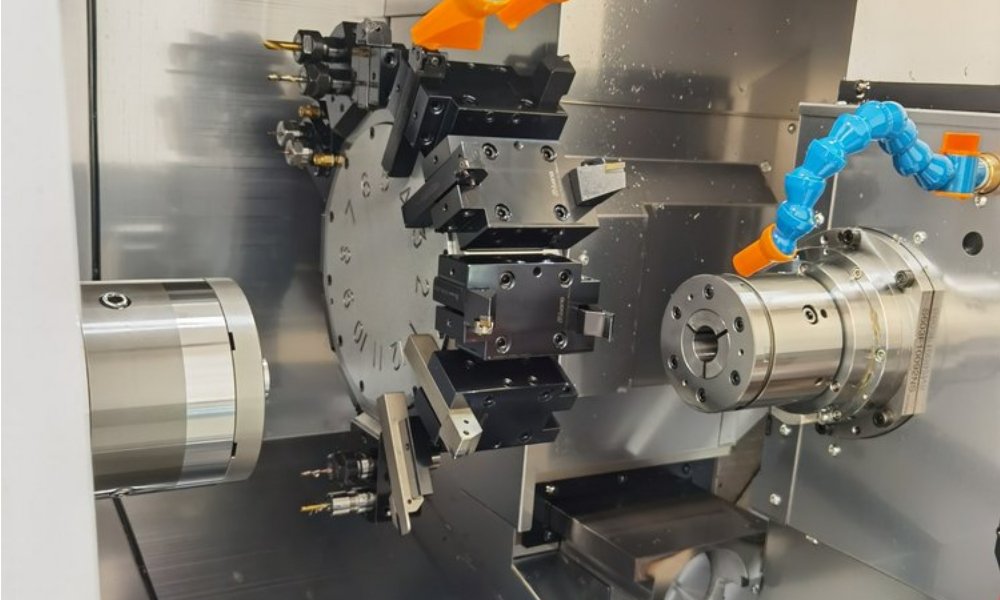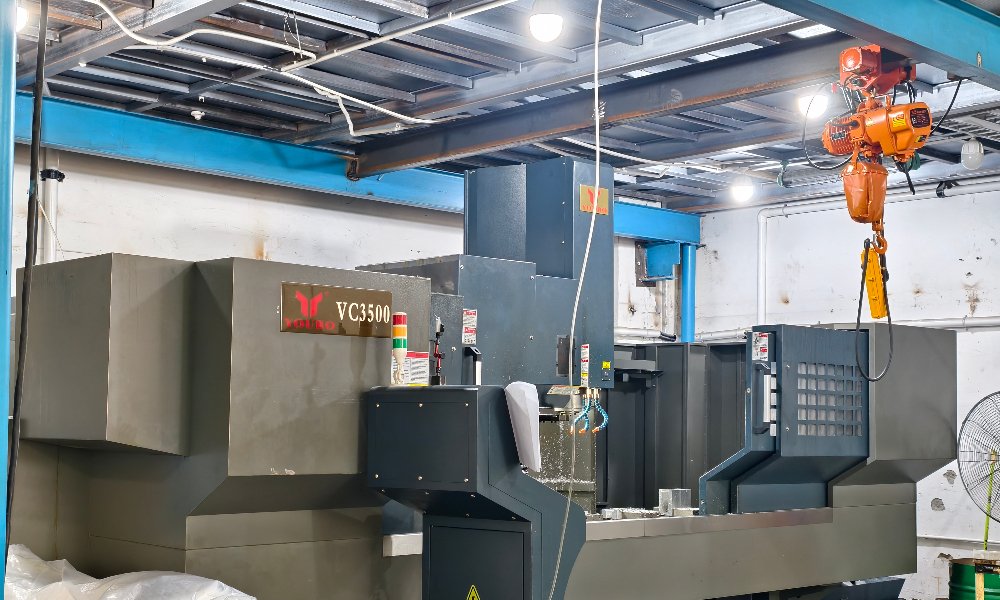
6063 aluminum machining is a reliable choice when you need a clean, anodize-ready surface on parts that carry moderate loads. This Al-Mg-Si alloy flows easily into complex extruded profiles, so frames, trim, brackets, and decorative hardware machine predictably and finish beautifully. At XAP Precision we tune speeds, feeds, and fixturing around the soft, gummy nature of the metal to keep burrs low and dimensions steady. The result is a cost-effective material for engineers who value appearance as much as fit. This guide covers how the alloy behaves on the mill, where it fits against stronger grades, and how to specify parts that come off the machine looking their best.
6063 Aluminum Machining at the Cutter: What to Expect
6063 aluminum machining runs fast on carbide because the alloy is soft and largely free of abrasive silicon islands when properly homogenized. Expect low cutting forces, high material removal rates, and clean chip evacuation in through cuts. The challenge is not speed but surface quality. Because the metal is ductile, a dull or slow edge smears material instead of shearing it, raising a built-up edge and leaving a fuzzy bore wall. Use sharp, positive-rake geometries with polished flutes, keep the tool moving, and never let the cutter dwell or rub at the bottom of a pocket. A high spindle speed paired with a moderate feed gives a bright finish and true threads. In short, 6063 aluminum machining rewards sharpness over brute force.
Thin-wall and slot work reveal the same truth. A sharp, keen edge leaves a crisp wall and a clean slot bottom, while a worn edge tears and rolls material into a burr that you then chase by hand. Because the alloy is soft, burr formation is the main labor cost, so prioritize edge sharpness and a positive shear angle. Roughing and finishing can often share one tool on small parts, but for cosmetic faces a dedicated finishing pass with a fresh insert pays for itself. Threads cut cleanly with a sharp hob or a quality tap, and the ductility helps threads form rather than chip.
Why Designers Choose 6063 Over Other Aluminum Grades
The magnesium-silicon chemistry produces a smoother surface and a more attractive anodic film than higher-strength alloys. Parts take on a uniform, glassy look after Type II anodizing, which is why the alloy dominates architectural profiles, window and door framing, handrails, and visible consumer housings. It also extrudes more readily than 6061, so long thin-wall sections with intricate internal webs come out straight and clean. The trade-off is strength: T5 and T6 tempers sit below 6061-T6, so this is not the pick for high structural stress. When you need the extra margin, our comparison of 6061 vs 7075 aluminum helps set the load ceiling. For most enclosures, trim, and heat spreaders, though, the alloy balances cost, formability, and finish better than any close alternative. For cosmetic housings, 6063 aluminum machining keeps both budget and appearance in check.
Temper matters as much as alloy. T5 profiles are air-cooled after extrusion and press-straightened, while T6 parts are solution-treated and artificially aged for a little more strength. For machined features you usually specify T6 when stiffness counts and accept slightly more distortion risk, or T5 when straightness and finish rule. Choose an architectural grade over a structural grade whenever the part will be anodized and seen, because the surface and color response differ. Wall thickness should stay generous enough to clamp without oil-canning, yet the alloy tolerates thinner sections than most steels.
Machinability, Tooling, and Coolant Strategy
This grade carries a high machinability rating, but a soft alloy behaves differently from free-machining steel. Tool selection focuses on finish and edge retention rather than surviving heat. Solid carbide end mills with three or four flutes and high helix angles clear chips from deep pockets in gummy metal without packing, and a sharp single-point boring bar keeps internal diameters round. Flood the water-based coolant generously to flush chips and keep the surface cool, or run mist on fine detail work, holding a surface near 1.6 μm Ra. Keep feeds constant through the cut to avoid a witness line at the tool entry, and plan light finishing passes to control burrs. Even small ⌀6 mm features and bores to ±0.05 mm are routine here when the edge stays sharp, following the discipline we set out in our CNC machining tolerances guidance.
Deburring deserves real thought on this metal. Soft edges lift burrs easily, so plan tool paths that break edges predictably and hold a consistent chamfer. Many shops add a brief vibratory or thermal deburr step for high volumes, and a manual pass for one-off prototypes. Coatings on cutters help only if the edge stays sharp; a thick, slick coating on a dull tool simply slides without shearing. If you run dry on light cuts, watch for heat softening the surface and pulling material. Balancing speed, sharpness, and chip flow is what keeps secondary work near zero.
Surface Finish, Anodizing, and Appearance
This is where the alloy earns its reputation. A well-tuned cut leaves a low-roughness surface that anodizes evenly, so cosmetic defects stay hidden. Aim for a fine finish before anodizing; because the oxide layer grows directly from the base metal, scratches and tool marks survive the process and show through the color. Many clients specify parts that need no secondary polishing, and this metal delivers that when machining is dialed in. Heat sinks benefit too, since the alloy conducts heat well enough for moderate thermal loads and finishes cleanly, though copper CNC machining carries far more watts per volume when cooling demand climbs. Match the alloy to the job, and it looks as good as it performs.
Machined extrusions can distort when you remove a lot of metal from one side, because the extrusion holds residual stress. Light, symmetrical passes and a stress-relief step between roughing and finishing protect flatness and straightness. This is critical for long trim pieces and mounting rails that must stay true along their length. If your drawing calls for a flat datum and a cosmetic face, machine the datum early and let the part relax before the final cut. A little patience here prevents an anodized part that returns visibly warped.
Typical Applications and When to Specify It
Frames, trim, decorative brackets, furniture components, marine fittings in mild service, and consumer housings are natural fits. Architectural extrusions that later receive machining for mounting bosses and slots lean on this grade for the combination of straightness and finish. It is also a sensible entry point for parts that will be painted or powder coated, since it takes coatings smoothly. Reach for a stronger alloy when a part carries bending loads, threads that see high pull-out force, or repeated shock. When the priority is appearance, 6063 aluminum machining delivers a bright, even base for anodizing. For projects spanning several materials, our material selection guide walks through strength, corrosion, and cost trade-offs side by side.
Common Questions About This Extrusion Alloy
Is 6063 stronger than 6061 aluminum?
No. 6061 carries more alloying and a higher heat-treated strength, so it handles structural loads better. 6063 gives up some strength in exchange for easier extrusion, a smoother surface, and a cleaner anodized appearance.
Can 6063 be anodized in color?
Yes. The alloy accepts Type II anodizing well and can be dyed before sealing. Its consistent microstructure produces even color, which is why it is favored for visible architectural and consumer parts.
Is 6063 good for heat sinks?
For moderate thermal loads, yes. It conducts heat adequately, machines into thin fin profiles, and finishes cleanly. When cooling demand is high, weigh copper or a dedicated thermal alloy instead.