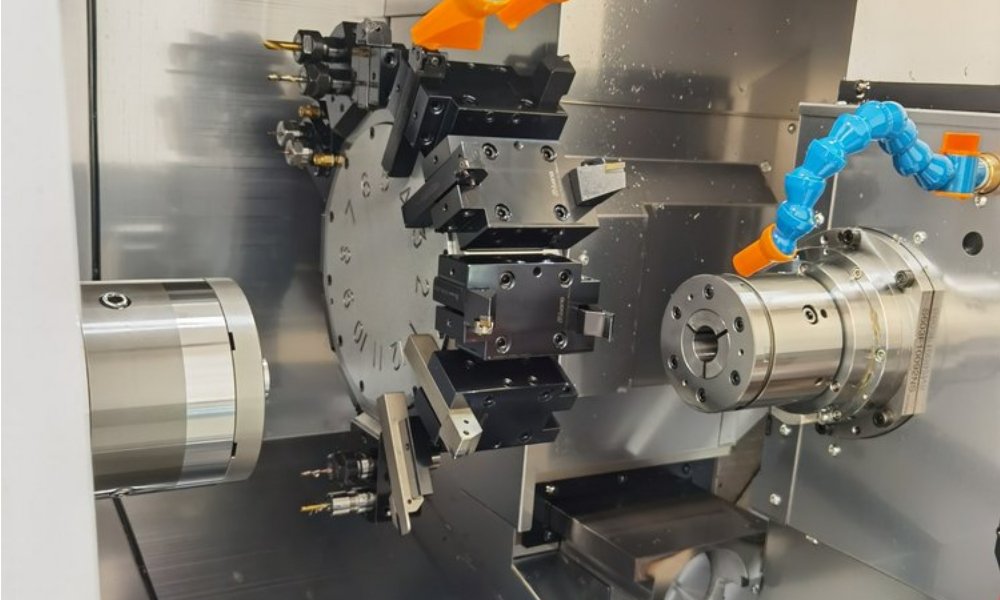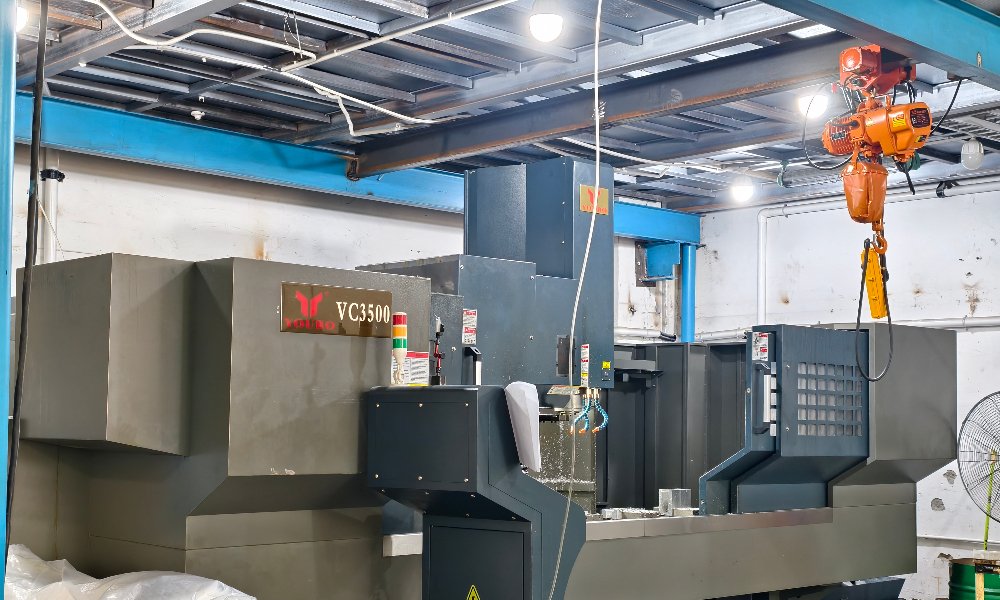
Modern farm machinery runs longer, carries heavier loads, and works in dust, mud, and moisture that quickly destroy weak parts. XAP Precision applies proven CNC machining agriculture experience to build components for tractors, harvesters, sprayers, seeders, and tillage equipment. Our five-axis milling centers and multi-axis turning machines hold tight tolerances across aluminum, steel, and stainless alloys, so every hydraulic fitting, sprocket, bushing, and gearbox part fits correctly on the first attempt. This guide explains how our CNC machining agriculture programs help equipment makers, integrators, and dealers secure dependable parts without long delays or large minimum orders, season after season. Because farm equipment spans so many subsystems, a supplier who understands both heavy structural parts and small precision fittings removes a real coordination burden from buyers.
Why CNC Machining Agriculture Equipment Matters
Farm operators lose money every hour a machine sits idle. A worn bushing, a leaking fitting, or a cracked bracket can stop planting or harvest at the worst possible moment, when weather windows are short and labor is scarce. Reliable parts reduce that downtime and protect the value of expensive equipment. XAP understands this pressure, which is why our CNC machining agriculture workflow starts with the real operating condition rather than only the drawing. We review load paths, exposure to debris, expected service cycles, and how each part mates with its neighbors before we finalize a process. That analysis lets us add fillets, adjust fits, or select a tougher alloy where it extends life without changing function. When demand spikes in the field, speed matters as much as accuracy, so we plan fixtures, toolpaths, and inspection steps for fast, repeatable runs that arrive on schedule. We also size each program around how a part actually fails in service. Galling, fatigue cracking, and thread stripping each call for different countermeasures, from edge preparation and radius control to surface finish and alloy selection. Addressing these details early keeps field returns low, protects crop timing, and supports the reputation of the equipment brand that carries your name.
Core Parts We Produce for Farm Machinery
We machine a broad range of components for agricultural equipment. Common work includes hydraulic fittings, drive sprockets, wear bushings, shafts, gearbox housings, mounting brackets, and fluid manifolds. For pressurized circuits, we pair our CNC machining agriculture services with dedicated valve body machining so control blocks arrive clean and ready for assembly. Motor and pump mounts benefit from our motor housing machining know-how, which keeps bearing bores concentric under heavy torque and vibration. Sprockets and idlers receive precise tooth profiles for smooth, quiet chain engagement that resists skip and wear. Each part is checked against your drawing and functional gauges before packing. This breadth allows one supplier to cover many line items across a machine, which simplifies purchasing and reduces the risk of mixed quality from several sources. Beyond these staples, we cut shafts, clevis pins, bushings, and pivot components that keep linkages tracking true over thousands of cycles. We also produce wear plates and guide surfaces that take the brunt of soil and seed metering. Because the shop sees the full family of parts, we can flag a design that will be hard to assemble in a field with gloves on, then suggest a small change that saves time at every service interval.
Durability, Materials, and Surface Performance
Agriculture parts face abrasive soil, fertilizers, silage acids, and constant vibration, so material choice drives service life more than almost any other factor. We commonly run 4140 and 1045 steels for shafts and gears, 304 and 316 stainless where corrosion exposure is high, 6061 aluminum for lightweight brackets, and hardened tool steels for severe wear surfaces. Where sealing matters, we hold bore and thread tolerances that keep gaskets and O-rings in proper compression. Finishes such as anodizing, passivation, zinc plating, or engineered coatings add further rust and wear resistance. Because these components share requirements with harsh-environment work like our oil and gas CNC machining, we apply proven methods for parts that must survive demanding field conditions with minimal maintenance. Heat treatment and hardening are applied where surfaces take repeated impact or abrasion, and we finish critical bores to reduce friction and hold lubrication. For parts exposed to fertilizer and silage acids, stainless grades and barrier coatings slow attack at seams and threads. Selecting the right combination up front lowers total cost of ownership, because a component that lasts two seasons is cheaper than one replaced every few weeks.
Low-Volume and Replacement Part Programs
Equipment fleets age for decades, and discontinued parts must still be replaced long after the original tooling is gone. Large casting or forging programs are rarely worth their cost for small quantities, so this is where digital CNC machining agriculture production excels. We store your models, programs, and fixtures, then remake parts on demand with no expensive dies and no large minimums. Whether you need ten fittings or five hundred sprockets, the setup stays identical, so the tenth year of supply matches the first. For control cabinets and sensor boxes on newer machines, our CNC machined enclosures keep sensitive electronics sealed from dust and spray. The result is a reactive, affordable spare-parts inventory that protects uptime without over-ordering. This model is especially useful for imported or discontinued machines where a dealer may need only a handful of parts each year. We can also reverse-engineer a component from a worn sample when no drawing exists, then add it to your catalog with a documented model and inspection record. That turns a single urgent repair into a repeatable, well-controlled part you can order again with confidence.
Tolerances, Finishing, and Quality Control
Consistency is what separates a good part from a part that fails early in the field. Every batch runs on calibrated machines with in-process checks, and critical features are verified on coordinate measuring equipment. We document those results so you can trace exactly what shipped, which supports your own quality records. For teams that buy adjacent categories, we coordinate CNC machining agriculture orders with related CNC machined heat sinks and hardware so deliveries arrive together and schedules stay aligned. Clear communication on callouts, finishes, and packaging prevents assembly surprises. The outcome is parts that install cleanly, seal correctly, and perform through full service intervals, season after season, with far fewer returns and warranty claims. We agree on measurement methods and sampling with you in advance, so both sides judge a shipment the same way. For parts that guide, seal, or carry alignment loads, we prioritize those features during setup and in-process checks. This shared, transparent approach to tolerance keeps assembly lines running and supports long-term supply agreements built on trust rather than inspection disputes.
What materials do you use for agricultural CNC parts?
We machine 4140 and 1045 steel, 304 and 316 stainless steel, 6061 and 7075 aluminum, brass, and common engineering plastics. The right choice depends on load, exposure to fertilizer and moisture, and expected wear. Our engineers can recommend an alloy and finish based on your application, budget, and target service life.
Can you supply small or one-off replacement orders?
Yes. CNC machining does not require casting dies or forging tooling, so low-volume and one-off replacement parts are cost effective. We keep your models, programs, and fixtures on file, which makes repeat orders fast and keeps dimensions identical across years of production.
How do you keep farm parts durable in harsh conditions?
We combine material selection, tight bore and thread tolerances for proper sealing, and protective finishes such as anodizing, passivation, or coatings. This approach resists abrasion, corrosion, and vibration, so parts last through full service intervals and reduce unplanned downtime during critical planting and harvest periods.