Copper CNC machining sits at the hard end of metal cutting. Pure copper is soft, gummy, and extremely thermally conductive. Those three traits combine to challenge even experienced machinists. Done right, though, machined copper parts enable power distribution, thermal management, and RF designs that no other metal can match.
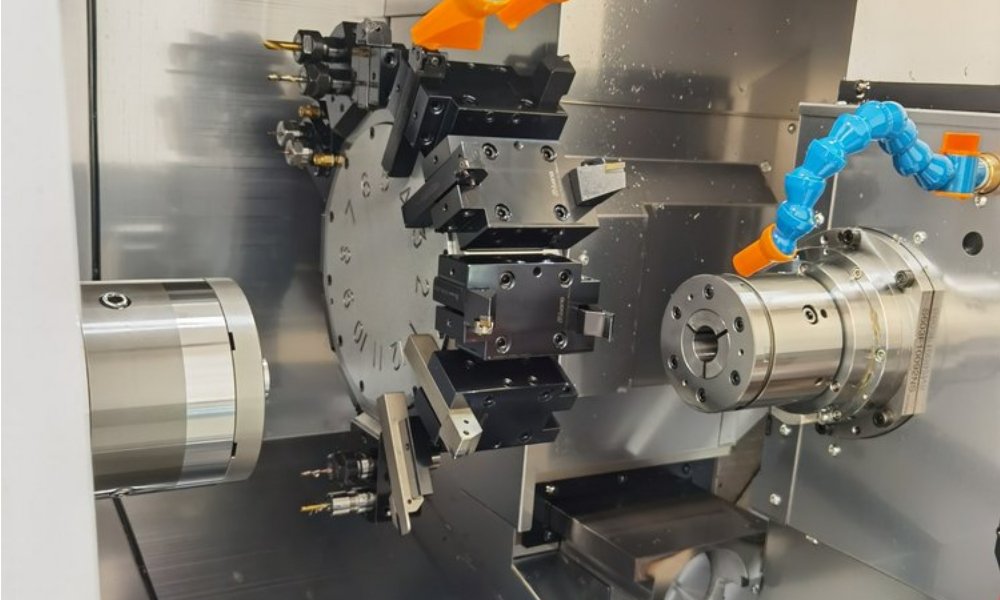
XAP Precision machines copper alongside aluminum, stainless steel, brass, titanium, and engineering plastics on 3-, 4-, and 5-axis machining centers and CNC lathes. This guide explains why copper behaves the way it does under the cutter. It also covers which grades machine best and what to watch for when you send out a copper part for quoting.
Why Copper CNC Machining Is Harder Than It Looks
Most machinists rank pure copper among the stickiest metals they cut. The root cause is ductility. Copper deforms enormously before it shears, so the chip wants to flow along the tool face rather than break away cleanly. That flow creates built-up edge: a weld of workpiece material on the cutting edge. It tears at the finish and quietly changes the effective geometry of the tool.
Thermal conductivity adds a second complication. Copper pulls heat out of the cut zone faster than almost any engineering metal. Chips carry most of that heat away, which helps. However, the workpiece itself spreads heat into finished surfaces and thin walls. As a result, holding tight tolerances on delicate features proves harder than the print suggests.
Softness brings a third issue: springback. Light finishing passes can rub instead of cut, smearing the surface and degrading the finish. For these reasons, copper CNC machining rewards shops that dial in feeds, tool geometry, and fixturing. Shops that simply slow everything down tend to get mediocre results at best.
Copper Grades That Matter to Buyers
Grade selection is the single biggest lever on machinability and part cost. The common choices are:
- C11000 (ETP copper). The standard pure copper, specified for bus bars and electrical parts. It carries the best conductivity of the common grades, but it is also the gummier side of the family, so cycles run longer.
- C14500 (tellurium copper). A free-machining copper with a trace of tellurium added. Conductivity stays close to C110, but chips break cleanly and finishes improve dramatically. Where a part can tolerate it, C145 is often the pragmatic pick for copper CNC machining.
- C10100 and C10200 (oxygen-free grades). These grades serve high-vacuum, high-purity, or cryogenic work. Machining behavior is similar to C110.
- Beryllium copper (C17200). A precipitation-hardenable alloy valued for springs, fatigue resistance, and non-sparking behavior. It machines more like brass than pure copper, though heat treatment adds a process step.
The practical question is simple. Does your part truly need C110 conductivity, or can C145 deliver the same function at lower machining cost? On many electrodes and bus-bar parts, tellurium copper performs identically in the assembly while cutting cycle time meaningfully.
Typical Parts Produced by Copper CNC Machining
Copper parts cluster around electrical, thermal, and RF functions. Common examples include:
- Bus bars and power distribution bars, machined to precise thickness, edge radius, and hole patterns for bolted electrical joints.
- EDM electrodes, often with fine ribs, sharp internal corners, and mirror-finish requirements.
- Heat spreaders and cold plates for power electronics, laser diodes, and battery test fixtures.
- RF and microwave components such as waveguide sections, resonator blocks, and coaxial fittings.
- Resistance-welding tips and fixtures where conductivity and repeatable geometry both matter.
Many of these parts combine milled pockets and drilled holes with flatness calls on large, thin surfaces. Because soft copper deflects easily, fixturing and step-down strategy matter as much as spindle speed. Vacuum fixtures and soft jaws show up often in our copper work.
Tooling and Cutting Strategy for Copper CNC Machining
Successful copper CNC machining starts at the tool edge. Sharp, polished solid-carbide end mills with high rake angles shear the copper cleanly instead of plowing it. Dull tooling smears the surface and accelerates built-up edge, so we treat edge sharpness as a controlled variable rather than a detail.
A few general principles guide the programming side:
- Keep the chip moving. Adequate feed per tooth prevents rubbing. Dwelling or feeding too slowly work-hardens the surface and shortens tool life.
- Evacuate chips aggressively. Copper tolerates high removal rates when chips clear the cut. Recutting chips is a leading cause of poor finish.
- Use lubricity-rich coolant. Good lubricity keeps copper from welding to the edge. Staining can be an issue with some fluids, so chemistry matters.
- Go easy on clamping. Soft copper distorts under vise pressure, so we favor soft jaws, wax, or vacuum workholding for thin parts.
If you are sourcing copper components and want a second opinion on grade or cutting strategy before committing, XAP Precision provides free DFM feedback with every quote request.
Copper Versus Brass and Other Alternatives
Not every part called copper on a print truly needs pure copper. Brass machines far more easily, holds fine detail, and suits decorative and plumbing use, though its conductivity is only a fraction of copper’s. Our brass CNC machining guide covers that alloy family in depth.
Where strength, wear, or cost dominate, plated aluminum or bronze can win. Where maximum conductivity is non-negotiable, copper CNC machining remains the answer. A shop that machines the full metal range can offer honest guidance on those trade-offs. The DFM checks we run on every incoming file catch most material-selection issues early.
What Drives the Cost of Copper CNC Machining
Four factors explain most of the price spread in copper quotes. Material cost is the first. Copper trades at several times the price of aluminum per kilogram, and scrap recovery matters on large parts. Cycle time is the second: C110 parts run slower than tellurium copper parts of identical geometry. Tolerance stack is the third. Flatness on thin spreaders and hole positions on bus bars drive secondary operations like lapping. Finish is the fourth. Bare copper tarnishes, so protective packaging or plating may be specified.
Send drawings early when tolerances are tight. Small geometry changes often remove entire operations without affecting function, which is the cheapest money in copper CNC machining.
Frequently Asked Questions About Copper CNC Machining
Which copper grade machines the easiest?
Tellurium copper (C145) machines the easiest of the high-conductivity grades. The tellurium addition lets chips break cleanly, which reduces built-up edge and improves finish. If your part can tolerate it, C145 often lowers the cost of copper CNC machining without sacrificing meaningful conductivity.
Why is pure copper so gummy to machine?
Pure copper is highly ductile, so the chip flows along the tool face instead of shearing off cleanly. That flow welds material to the cutting edge as built-up edge. The metal’s high thermal conductivity also spreads heat through the part, which complicates finishes and tolerances.
What surface finishes work on machined copper?
As-machined copper can be polished, passivated, or plated with nickel, silver, or tin for solderability and tarnish resistance. Bare copper oxidizes quickly in humid air, so we usually specify the finish on the drawing and pack finished parts to prevent discoloration in transit.
Send Us Your Copper Drawings for a Free Quote
XAP Precision machines C110, C145, oxygen-free, and beryllium copper grades on multi-axis mills and CNC lathes, with ISO 9001 quality processes behind every order. Send us your drawings or step files and we will return a quote with free DFM feedback. Request your free copper CNC machining quote today.