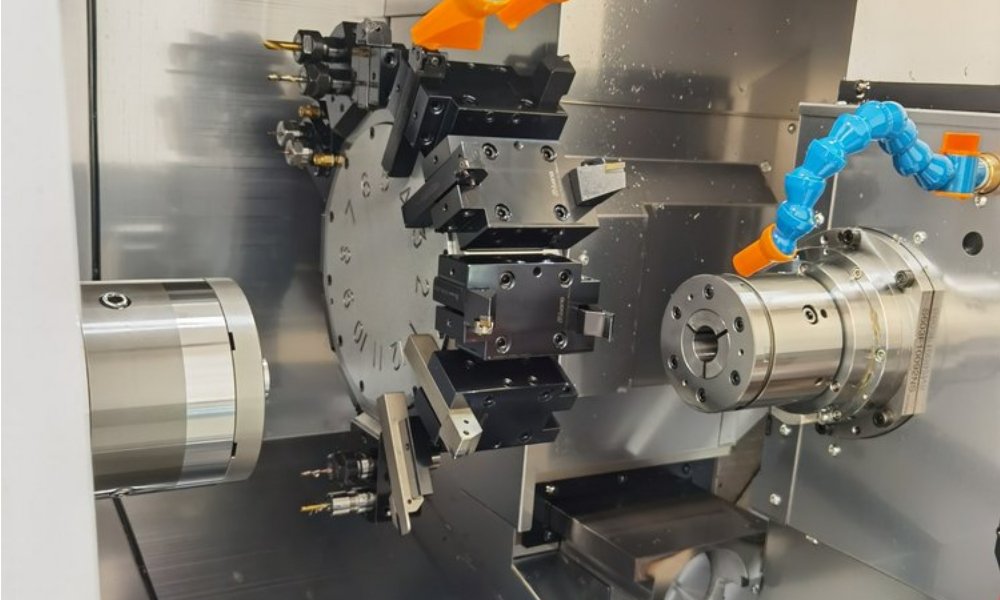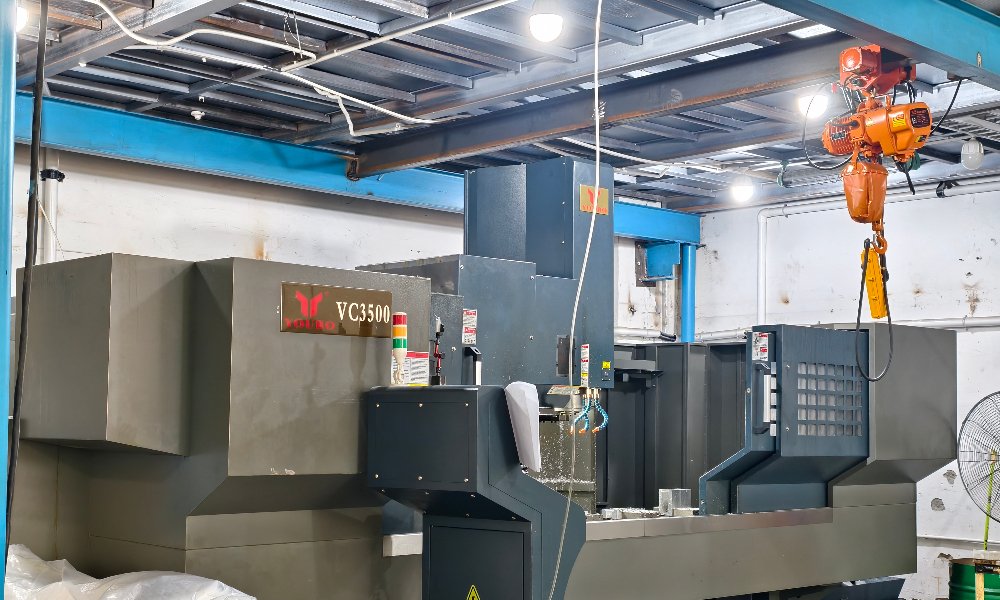
Hastelloy machining is the price of ultimate corrosion resistance. These nickel-based superalloys shrug off acids, chlorides, and stress-corrosion cracking that destroy ordinary stainless in hours. Chemical processing, pollution control, and sour-gas service reward you with a part that outlasts the plant around it. The same elements that stop corrosion make the metal stubborn on the mill: it work-hardens fast, conducts little heat, and grips the cutting edge. At XAP Precision we cut it with rigid setups, sharp carbide, and disciplined speeds so the geometry you design survives the media you run through it. This guide covers how the alloy behaves at the cutter and how to specify parts that hold up in the harshest service.
Hastelloy Machining Behavior: Work Hardening and Heat
Hastelloy machining turns on two facts: the alloy work-hardens quickly and it does not carry heat away. Low thermal conductivity traps cutting temperature at the edge, which dulls tools and can weld chips to the rake face. Just as damaging, a slow or rubbing pass work-hardens the surface you are about to cut, so the next pass fights material far tougher than the base. The countermeasure is constant, confident engagement. Keep the tool moving at a steady feed, never let it dwell, and cut deep enough to sit below any hardened skin. Treat interruption as the enemy, because stopping and starting builds a glazed, uncuttable layer that ruins both edge life and accuracy in a single pass.
Chip control is its own challenge here. The alloy produces tough, stringy chips that can wrap the tool and scrape a finished surface on the next revolution. Aim for a chipbreaker geometry that curls and snaps the swarf, and back the strategy with strong coolant to carry it clear of the cut zone. Interrupted cuts, such as keyways or drilled holes, punish the edge with repeated shocks, so choose a tougher grade and reduce speed when the cut is not continuous. Understanding how each feature loads the tool is the difference between a stable insert and one that craters in a single part.
Setup Rigidity, Tooling, and Speed Discipline
In practice, Hastelloy machining is a rigidity contest first. Use the shortest possible tool overhang, heavy workholding, and a machine with real torque at low RPM. Carbide grades formulated for superalloys, ground for a tough edge, outperform generic grades; ceramic and coated options help in continuous cuts but fear interrupted ones. Speeds stay low compared with steel, and feeds stay meaningful so the edge shears instead of polishing the surface, holding bores to ±0.03 mm. Coolant must reach the cut under pressure to flush the gummy chips. These habits mirror what we apply across nickel alloys in our Inconel machining notes, where the physics are close cousins, and the same planning we set out in our CNC tolerances guidance for parts that land in critical service.
Machine selection quietly decides outcomes. A geared-head mill or a rigid turning center that holds torque at low RPM beats a high-RPM spindle that stalls under the cut. Coolant should be clean and filtered, because nicked particles speed wear on an already hot edge. Rigid ways, sharp tool holders, and true spindle bearings all help. The superalloys reward the shop that respects their need for controlled power rather than raw speed, so we set expectations around the machine before the first chip forms.
Which Grade You Are Actually Cutting
This is a family of alloys, and the exact composition shifts the machining feel. C-276 and related grades resist a broad mix of oxidizing and reducing acids, the common choice for scrubbers and reactor internals. B-series grades specialize in strong reducing conditions such as hot hydrochloric service. Higher tungsten or molybdenum adds toughness and raises forces a little. Whatever the grade, the corrosion story is what earns its cost. When you are weighing that against more workable options, our material selection guide and our stainless steel machining references put the trade-offs in plain terms so the extra expense is spent where it matters.
Condition matters too. These alloys usually arrive in the annealed, solution-treated state, which machines more easily than a cold-worked or aged condition. Once a part is formed and welded, the surface may be work-hardened from fabrication, so the machining allowance must account for that skin. Galling is another trait to design around, since the metal tends to cold-weld under slow, rubbing motion at a joint or a thread. Knowing the delivered condition lets you pick speeds and allowances that cut real metal, not a glazed, hardened nuisance.
Designing Parts That Machine Cleanly
Good design removes most of the pain before the first cut. Avoid deep, narrow pockets that force long, thin tools into a stringy alloy; generous corner radii let a stiffer cutter take heavier chips. Leave enough wall to resist springback while keeping mass down. Specify finishes with the process in mind, since these alloys want a defined machining allowance so the final light pass cuts below any work-hardened layer rather than polishing it. Threads benefit from rolled or carefully controlled cut strategies. Every Hastelloy machining decision should favor continuous engagement and short, controlled chips, because interruptions and dwell are exactly what wreck edges and geometry on this unforgiving material.
Finishing passes and threads need protection. Leave a consistent allowance so the last cut is predictable, and avoid dragging a dull edge across a sealing surface that will later meet corrosive media. Rolled or carefully formed threads resist galling better than slow-cut threads in this alloy. Where dissimilar metals join, isolation and proper torque reduce the cold welding the material is prone to. A little planning on the drawing saves a great deal of hand work and rejection on the bench.
Where This Superalloy Earns Its Keep
Flue-gas desulfurization dampers, scrubber internals, acid transfer components, and agitator shafts live in chemistries that eat carbon and stainless alike. Pulp and paper digesters, chemical reactors, and pharmaceutical vessels value the clean, resistant surface the family provides. Aerospace and marine hardware in hot, corrosive zones turn to it as well, along with fasteners and valve trim that cannot be replaced often. If unplanned downtime and repeated replacement dominate your cost, the machining struggle pays off across the service life of the plant.
Finally, weigh the economics honestly. The alloy is expensive and slow to cut, so it belongs only where a lesser stainless would fail early and cost more in downtime. When corrosion and heat justify it, the machining time is trivial against the value of a part that never needs replacing. Where the environment is milder, a duplex or super-austenitic stainless may serve at lower cost and faster rates. Choosing well is as much about the service chemistry as it is about the cutter.
Questions About Working a Nickel Superalloy
Why does Hastelloy work harden so quickly?
Its ductile nickel matrix deforms and then resists further deformation, so a rubbing tool raises surface hardness and locks out the next pass. Constant feed and cutting below the hardened skin prevent the problem.
Can you machine Hastelloy on a standard mill?
Yes, with a rigid machine that delivers torque at low speed, sharp superalloy carbide, minimal overhang, and high-pressure coolant. The main changes are much slower speeds and disciplined, uninterrupted feeds.
Is Hastelloy better than stainless for corrosion?
In aggressive chlorides, acids, and mixed chemistries, yes. It costs far more and machines slower, so reserve it for service where stainless would fail early and cause costly, repeated downtime.