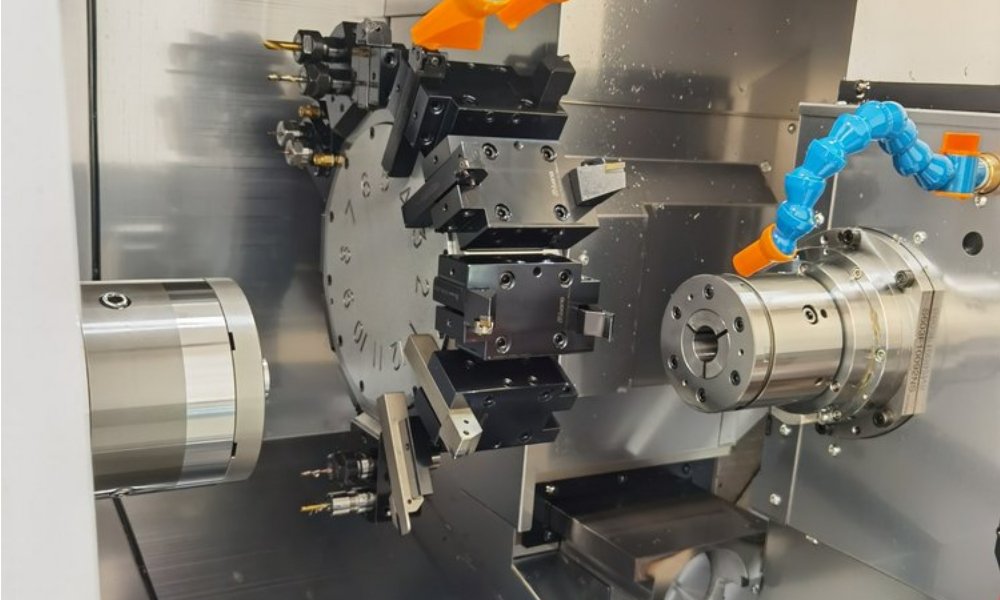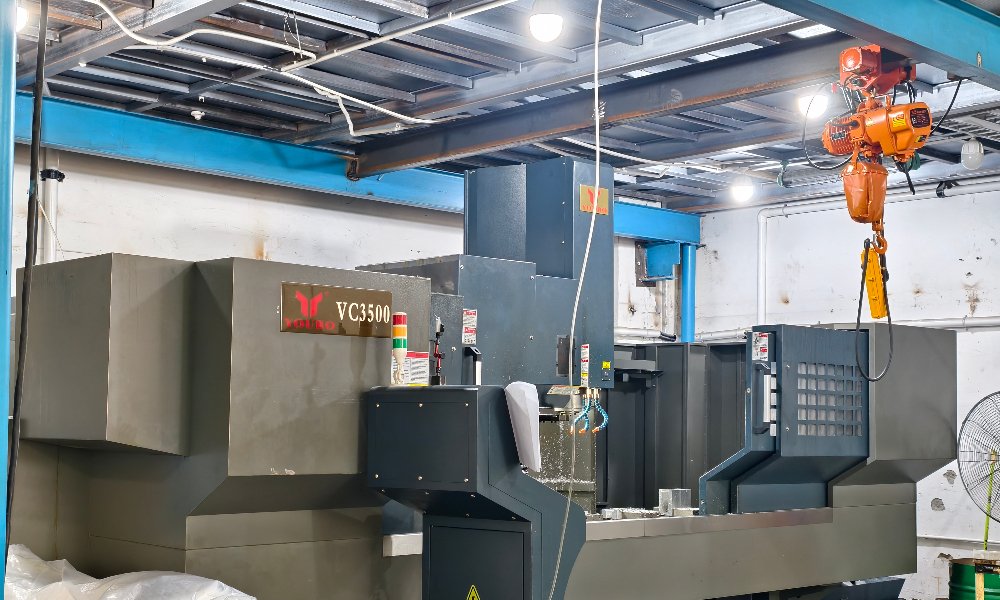
Hardware startups live and die by iteration speed, and CNC machining for startups removes the classic tooling dilemma. XAP Precision works with founders and product engineers who need functional parts without committing to molds or dies. Because CNC machines cut directly from your CAD file, you can test, revise, and reorder within days. In addition, batches of five to five hundred pieces make economic sense from the very first order. Put simply, CNC machining for startups turns ideas into shippable hardware without betting the runway. This guide explains why the process fits early-stage teams. It also maps a roadmap from concept to production and shares budget habits that stretch every dollar. Many first-time buyers assume factories ignore small orders. In our shop, prototype work follows the same careful process as production.
Why CNC Machining for Startups Makes Financial Sense
Most manufacturing routes punish small quantities. Injection molding demands costly molds, and casting needs patterns, so early products carry heavy upfront risk. In contrast, CNC machining for startups drops that tooling burden entirely. Your CAD file becomes the only setup requirement, which changes the economics of year one. The saved budget can fund extra iterations instead. For example, a revised bracket often ships again days after the file changes, rather than weeks after mold rework.
- No tooling risk. Design changes cost nothing in hardened steel molds. Revise the file, then machine again.
- Fast iteration. First parts arrive within days, so you test each design generation quickly. That speed compresses a year of learning into a few months.
- Real material behavior. CNC parts come from production-grade aluminum, steel, brass, titanium, or engineering plastics. Therefore, test results reflect final use.
- Design freedom. Thin walls, deep pockets, and tight hole patterns stay routine, so form can follow function.
- Affordable small batches. Low-volume high-mix production matches startup demand and keeps cash out of warehouse stock. Our low-volume CNC machining and rapid prototyping service supports exactly this stage.
Moreover, CNC machining for startups scales with you. A part prototyped on a 5-axis mill today comes off the same machine family at production volume. As a result, quality stays consistent while quantities climb. Functional metal prototypes also strengthen fundraising conversations, since investors can hold the product in their hands.
A Practical Roadmap from Concept to Production Batch
CNC machining for startups fits every stage of this roadmap because each step reuses the same CAD data. Here is the path most hardware teams follow. Skip nothing, since each stage catches problems the previous one cannot see.
Stage 1: Prove the Concept With a Mock-Up
First, validate the idea cheaply. Even rough mock-ups expose surprises in size and handling. Printed or soft parts can check ergonomics and fit before we cut any metal. However, keep the CAD model clean from day one, since that file drives every later stage. Photos and quick measurements from this stage feed directly into the next.
Stage 2: Machine a Functional Prototype
Second, order machined prototypes in your final material. These parts survive load, heat, and assembly tests that mock-ups cannot. This is where CNC machining for startups earns its keep, because real test data replaces guesswork. Expect a few revision loops before the design settles, and treat each one as cheaper than a field failure. For alloy and finish guidance at this stage, see our guide to metal prototyping with CNC.
Stage 3: Run a Pilot Batch
Third, produce a pilot run of 25 to 500 units for field testing or early customers. Meanwhile, refine tolerances based on what the prototypes taught your team. Feedback from real users often reveals small changes with outsized value. Ship these units through real channels, including packaging and support. Consequently, the pilot verifies both the design and your supply chain before you scale.
Stage 4: Scale Without Re-Tooling
Finally, ramp volume with the same process and supplier. Because no tooling gates the transition, scaling up adds machine time rather than capital expense. Documented settings and inspection routines carry straight into higher volumes. Ultimately, that flexibility protects cash while product-market fit solidifies. For that reason, seasoned founders treat CNC machining for startups as the default route to market.
Have a design ready to price? Send it over for a free quote at any point along this roadmap.
Budget Tips for CNC Machining for Startups
Cash discipline matters as much as engineering. Fortunately, a few habits stretch every prototype dollar without weakening the part. In fact, these habits define smart CNC machining for startups more than any single negotiation trick.
- Relax tolerances where function allows. A ±0.1 mm callout costs far less than ±0.01 mm, so reserve tight tolerances for critical features only.
- Choose standard materials. Common grades like aluminum 6061 and 304 stainless steel cost less and machine faster. Exotic alloys can wait until the design freezes.
- Batch smartly. Ordering fifty pieces at once costs less per part than five orders of ten, since setup charges spread further.
- Design around standard stock. Parts that fit common bar and plate sizes skip special material orders and long lead times.
Track spend per iteration as well. A simple log of order size, unit price, and change notes reveals where the next saving hides. Small habits compound across every revision cycle. Rank the tips by impact, then apply them one at a time.
How to Brief a Machine Shop the Right Way
A complete RFQ earns a faster, sharper quote. Therefore, include these items in your first message:
- Files. Send a STEP file for geometry plus a PDF drawing that flags critical dimensions and tolerances.
- Quantities. List prototype and production quantities separately, since pricing differs between them.
- Material and finish. Specify the alloy and surface treatment, or ask for a recommendation.
- Timeline. Share your target date honestly so the shop can plan capacity.
- Application. Describe what the part does, so engineers can suggest safe cost savings.
Notably, you do not need a finished design to start the conversation. A clear brief keeps CNC machining for startups affordable, because vague specs inflate every quote. Using standard material designations from ASTM International also prevents confusion between teams. If your design is sensitive, sign an NDA before sharing files, since most shops expect that request. One clear page of context beats ten vague ones. A short sketch or video of the assembly also speeds up review. Our engineers include free DFM feedback with every offer. The DFM guidelines for outsourced machining projects page shows what we check.
Frequently Asked Questions About CNC Machining for Startups
Why is CNC machining ideal for hardware startups?
CNC needs no tooling, so you can iterate cheaply and launch small batches. Therefore, startups test real markets before committing to expensive molds.
How many prototypes should a startup order?
Start with one to three parts for fit and function tests, then order a small pilot batch for field trials. This staged approach limits risk at each step.
What should a startup send to a machine shop?
Send your 3D model, a 2D drawing, target quantities, and your timeline. In addition, mention your budget range so the shop can suggest cost-saving options.
Get Free DFM Support for CNC Machining for Startups
XAP Precision supports hardware teams from first prototype through repeat production. Every order runs under ISO 9001 quality management, and every quote includes free DFM feedback on your design. Whether you need five prototypes or five hundred production units, the same careful process applies. Our team replies quickly, and the first DFM pass costs nothing. Questions about material or tolerance strategy are welcome too. To price your next batch, request a free quote today. In short, share your CAD file, tell us your timeline, and we will handle the machining. CNC machining for startups moves fast, and your supplier should keep pace.