Metal prototyping turns your CAD file into a functional part that behaves like real production hardware. A printed model may look convincing on a bench. However, it cannot carry full load, survive heat cycles, or hold torque the way solid alloy does. That is why R&D teams in robotics, medical devices, and automotive keep choosing machined metal when test data matters.
This guide explains why metal prototypes outperform printed parts for functional validation. It also covers the default processes, realistic timelines, and the design habits that shave days off delivery. Finally, it points to the supplier questions worth asking before you commit. By the end, you will know exactly what to send for your first quote.
Why Metal Prototyping Beats Printed Parts for Functional Testing
A validation test only teaches you something when the part behaves like the final product. Metal prototyping delivers that honesty in four specific ways.
- Real strength and stiffness. Wrought aluminum, stainless steel, and titanium carry published mechanical properties. In contrast, printed polymers shift with layer direction and cure history.
- Honest thermal behavior. Metal conducts heat and expands like your production part will. Therefore, thermal tests generate data you can actually trust.
- Threads that survive assembly. Machined threads in solid stock hold torque through repeated teardowns. Printed threads, meanwhile, tend to strip or creep.
- Production-grade finishes. Anodizing, passivation, and plating only perform on real substrates. As a result, you validate cosmetics and corrosion resistance at the same time.
Machined parts also carry realistic weight and surface hardness. As a result, snap fits, press fits, and fastener joints behave the way they will in production. Printed look-alikes flex, and that flex hides real assembly problems.
Additive parts still earn their place for form checks, ergonomics, and early concept models. The point is scope. When a test involves load, heat, threads, or finish, metal tells you the truth.
In fact, one honest metal test campaign often prevents weeks of guesswork later. You learn failure modes early, while design changes remain cheap.
CNC Machining: The Default Route for Metal Prototyping
For most teams, CNC machining is the backbone of metal prototyping. No molds and no dies stand between your file and the first chip. As a result, you can iterate geometry as fast as you can measure it.
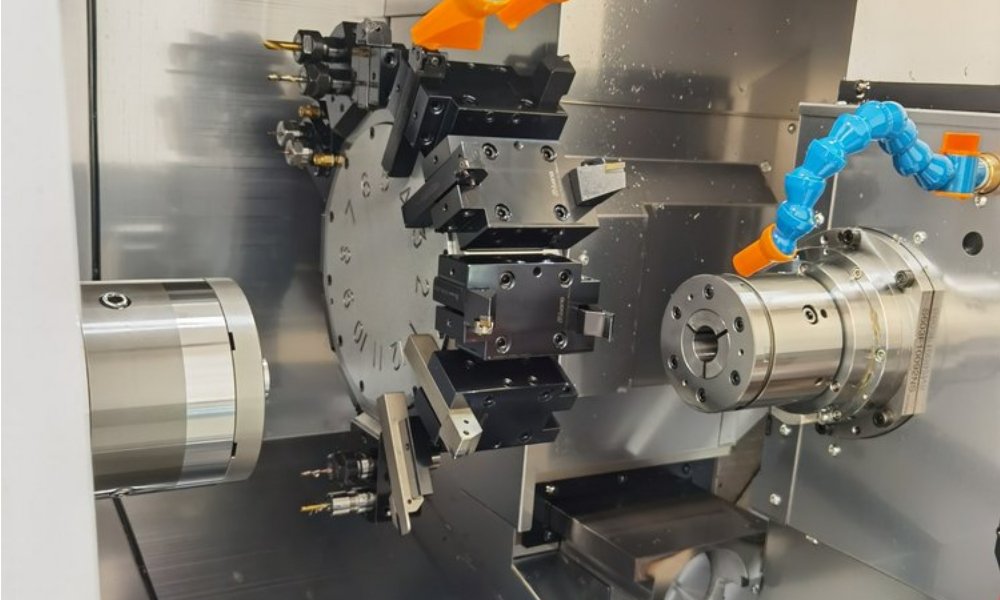
Milling handles brackets, housings, manifolds, and plates. Turning produces shafts, bushings, spacers, and fittings. Swiss-type lathes handle tiny, precise components like pins and connectors. Moreover, 5-axis machining clears undercuts and compound curves in a single setup, so complex geometry stays accurate.
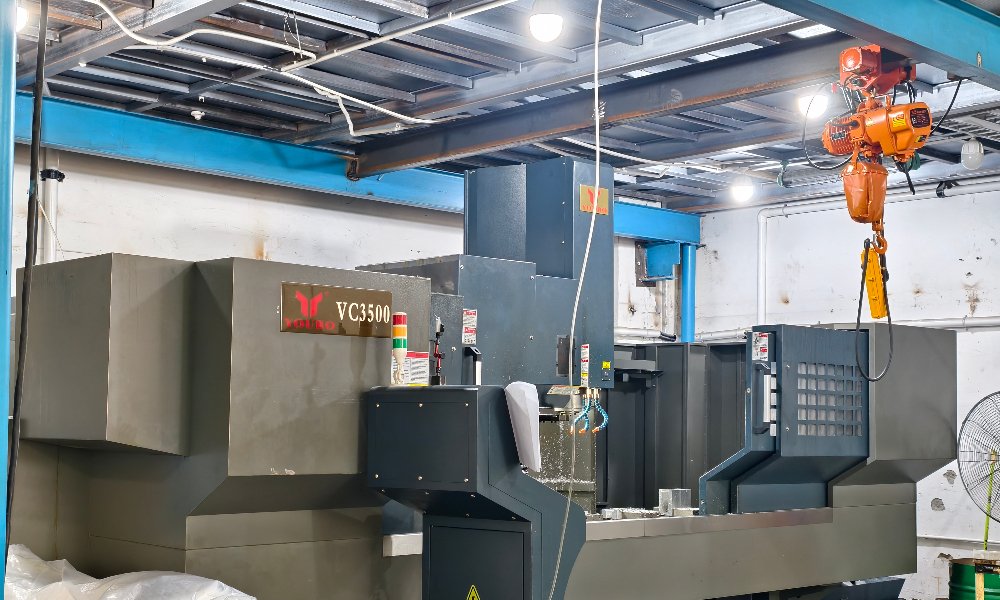
Material choice stays wide open. Aluminum machines fast and suits most enclosures and brackets. Stainless steel and carbon steel add strength and wear resistance. Brass gives superb machinability for fittings, and titanium serves extreme environments. Engineering plastics such as POM, PEEK, and PTFE cover electrical isolation and low-friction roles. XAP Precision machines all of these under one ISO 9001 quality system. The shop runs 3, 4, and 5-axis mills plus turning and Swiss-type lathes. Consequently, one partner can cover prismatic and rotational prototype parts alike.
Prototype parts can also carry production finishes early. Anodized aluminum or passivated stainless validates both function and appearance in a single step. You test the real surface, not an approximation.
Unsure whether machining beats additive manufacturing for your part? Our comparison of CNC machining versus 3D printing breaks down the trade-offs by quantity, tolerance, and material.
How Fast Can Metal Prototyping Deliver?
Every metal prototyping schedule depends on geometry, material stock, tolerances, and finish. Surface finish adds time too, since anodizing and plating often run in separate queues. That said, many shops ship simple machined prototypes within days. Complex parts with tight tolerances or specialty coatings naturally take longer.
Because queues move constantly, never assume a fixed turnaround. Instead, attach your deadline to the quote request and ask for current availability. Good shops confirm capacity before you commit, not after.
You can speed the whole process with clear inputs. Send a STEP file, a simple drawing that marks critical tolerances, and your target date. Shops can then check capacity faster and quote more accurately.
Ready to hold real metal parts in your hands? Send your CAD files to XAP Precision for a free quote, and the team will confirm a realistic schedule.
Design Habits That Make Metal Prototyping Faster and Cheaper
Prototype parts rarely need every production requirement. A few deliberate relaxations can cut both cost and lead time.
- Relax cosmetic tolerances. Hold tight dimensions only where the part mates or carries load. Loosen everything else, and machining time drops.
- Choose standard materials. Common grades such as aluminum 6061, stainless 304, and free-machining brass stay in stock. Exotic alloys can add waiting time.
- Use standard thread sizes. Stock taps cover common metric and UNC sizes, so no custom tooling slows the job.
- Fit standard stock sizes. Designing inside common bar and plate dimensions avoids custom billet prep.
- Keep walls sensible. Very thin walls need slow passes and extra support. Therefore, keep them as thick as function allows.
- Order small first. A single unit can validate the design before you spend on a full test fleet.
- Ship with a prototype finish. As-machined or bead-blasted parts leave the shop fastest. Save multi-step finishes for pre-production runs.
These habits follow standard DFM practice: tolerance only where function demands it, and standard everything else. Apply them, and your metal prototyping cycle gets quicker and leaner at the same time.
Vacuum Casting: Bridge Copies Between Prototype and Tooling
Sometimes one metal prototype is not enough. Field trials, marketing samples, and verification builds all need parts at the same time. Vacuum casting fills that gap. The process pours urethane resin into a silicone mold made from your master pattern. As a result, you receive copies with fine surface detail at a fraction of tooling cost.
Silicone molds themselves take little time to make, and each one yields multiple copies. Urethane resins also cover a wide stiffness range, from flexible rubbers to rigid structural grades. That makes vacuum casting a fast, low-risk step between one-off machining and hard tooling.
This method suits bridge runs before you commit to injection molds. It also pairs naturally with metal prototyping: CNC the master, validate it, then cast copies for wider testing. Cast parts can even mimic different colors and textures. Learn more on our vacuum casting service page. Meanwhile, teams scaling beyond prototypes can route both paths through our low-volume CNC machining and rapid prototyping service.
Frequently Asked Questions About Metal Prototyping
How fast can I get a CNC metal prototype?
Many shops ship simple parts within about a week, because CNC needs no tooling. Send complete files to get the fastest quote and start date.
Should I prototype in plastic or metal?
Prototype in metal when you need real strength, heat behavior, or threads. Use plastic or printed models only for early form checks. Therefore, match the prototype material to your test goals.
Does CNC prototyping cost more than 3D printing?
Per part, CNC usually costs more than printing. However, CNC prototypes deliver true material properties and production-grade finishes. In other words, you pay for reliability.
Start Your Metal Prototyping Project with a Free Quote
Metal prototyping gives your team answers that printed parts simply cannot. Real strength, honest thermal data, and production-grade finishes de-risk every design review. Moreover, machined parts flow straight into low-volume production with the same processes and the same supplier. The part in hand behaves like the part you will ship.
Ready when you are. Send your CAD files to XAP Precision for a free quote and free DFM feedback. Our engineers will check manufacturability, recommend the fastest route, and confirm current lead times. Request your free metal prototyping quote today.