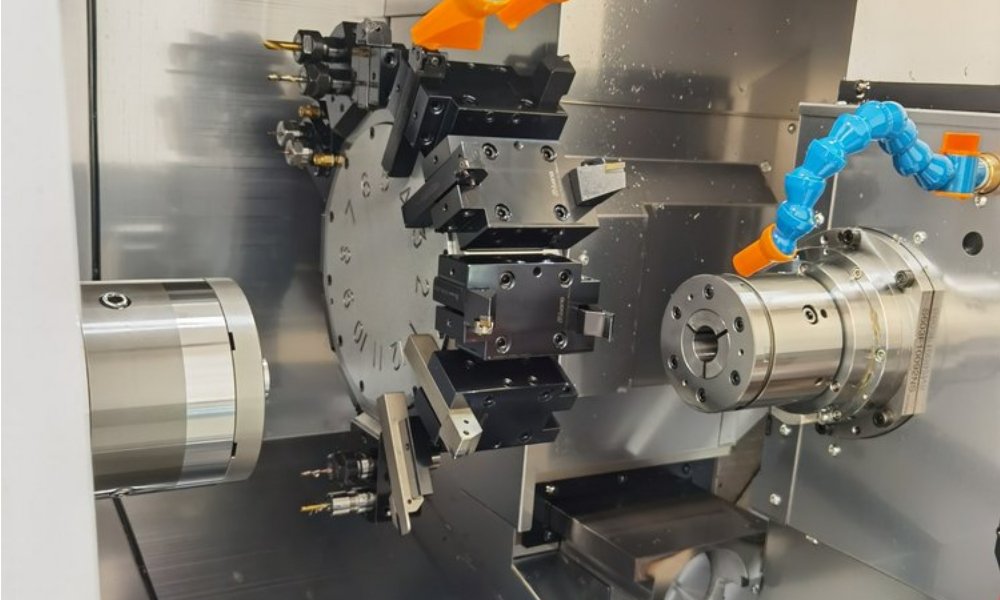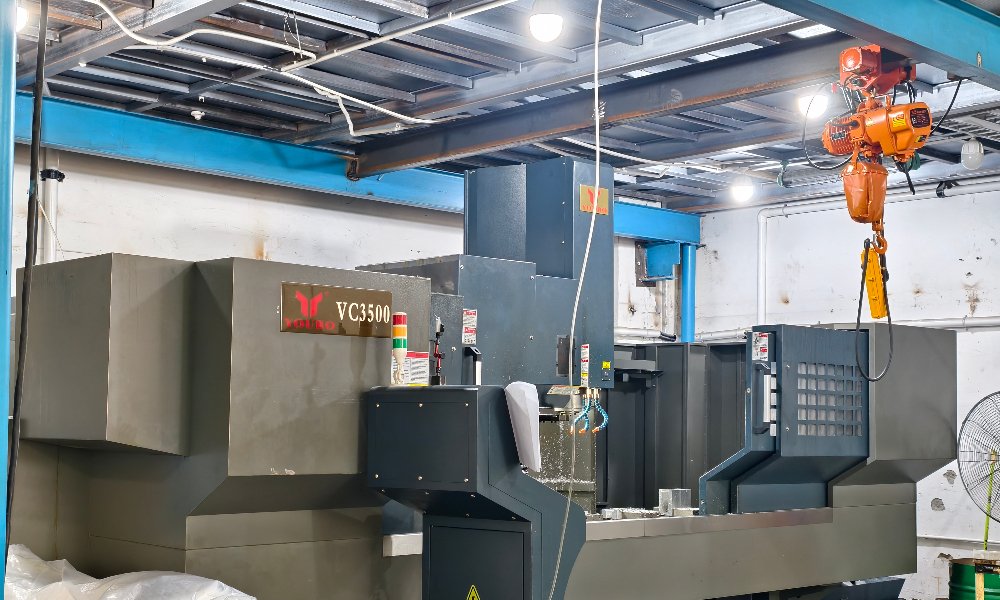
In motorsport, a few grams and a few days can decide a result. Teams and suppliers need parts that are light, strong, and ready fast. XAP Precision delivers CNC machining motorsport services that support race engineering with short lead times and tight tolerances. We machine brackets, pulleys, fittings, and engine components from 7075 aluminum, titanium, and high-strength steels. Whether you are building a one-off prototype or a repeatable season of spares, our work helps teams cut weight without sacrificing the strength that protects drivers and budgets. This article shows how our CNC machining motorsport capability fits the pace of competition.
Why CNC Machining Motorsport Demands a Different Pace
Race programs run on tight calendars. Parts are tested, revised, and replaced quickly between shakedowns, events, and the next upgrade. Traditional tooling cannot keep up, but our CNC machining motorsport workflow can move from model to finished part in days. We hold stock of common alloys so material is not the delay. When a design changes, we update the program rather than rebuild a mold or die, which keeps iterations cheap and fast. That responsiveness helps teams refine a component, test it, and ship the update in time for the next session, while still controlling quality on safety-relevant hardware. We also treat a change list as a normal part of development rather than a problem. Each revision is versioned, so the team can compare a lighter bracket against the one that ran last event and see exactly what shifted. That controlled iteration removes guesswork and keeps the strongest configuration in service at the next track session.
Weight Reduction Without Losing Strength
Unsprung and rotating mass affect handling and acceleration more than almost any other weight, so engineers remove it wherever the structure allows. We machine lightweight brackets from 7075-T6 aluminum, an aerospace alloy that offers an excellent strength-to-weight ratio for mounting, linkage, and support parts, an approach that overlaps with our aerospace CNC machining practice. Titanium pushes the advantage further for fasteners, retainers, and highly loaded components that must resist heat and corrosion at low mass. We also thin and rib parts intelligently, machining only where loads require material. Careful toolpath planning and fixturing let us reach these geometries while keeping critical sections strong and predictable. For rotating parts such as pulleys and hubs, we balance the cut to hold concentricity, which lets a component spin true at high rpm without adding corrective mass. We verify round runout and keyway position on the machine so the part performs without extra finishing time. Lightening pockets are placed away from bolt loads to keep joints solid while still shedding grams.
Core Parts We Machine for Racing
Our race work spans many systems. We machine engine brackets, pulleys, adapters, fittings, hubs, and drive components. Fluid and fuel hardware benefits from the same precision we apply to high-pressure fittings in our automotive CNC machining programs. For cooling-critical builds, our CNC machined heat sinks and cold plates keep electronics and power hardware within limits. Sensor and actuator mounts use our CNC machined connectors to hold accurate alignment. Each component is inspected to your drawing, because in racing a small dimensional error can mean a costly failure at speed. This range lets one shop cover a car or bike efficiently. Drivetrain and brake-side pieces receive the same control, because a mismatched pulley or a warped mount changes how a system behaves under load. We can machine small batches of matched sets so every unit in a class performs identically. That matching matters in series racing, where equal hardware keeps results about driver skill rather than part variation.
Materials and Processes for Race Hardware
Material and process selection in motorsport balances strength, weight, heat, and cost. We machine 7075 and 6061 aluminum for structural and mounting parts, titanium for high-load, heat-exposed, or corrosion-critical components, and hardened steels for surfaces that must resist wear under shock loads. Thin-wall and rib features reduce mass but demand rigid fixturing and light, controlled cuts to avoid deflection. We use five-axis machining to reach complex geometry in one setup, improving accuracy and reducing handling. Finishes such as anodizing and bead blasting protect parts and can add slick or durable surfaces. Proper process design is what lets light parts survive real race conditions. We choose cutting tools, speeds, and coolant strategy per material, since titanium and hardened steel behave very differently from aluminum on the same machine. Rigid roughing followed by light finishing passes controls heat and keeps thin walls from flexing. For parts that see repeated disassembly, we protect threads and locating surfaces so a component can be reused across several events.
Fast Turnaround and Tight Tolerances
Speed only counts if the part is correct the first time. We plan fixtures and toolpaths to reach tight tolerances efficiently, and we verify critical features on coordinate measuring equipment before shipment. That combination prevents rework, which is the true schedule killer in a race shop. XAP keeps standard alloys on hand and reserves machine time for urgent jobs so a revised bracket or replacement pulley can ship within days rather than weeks. Because our CNC machining motorsport process is digital, repeat orders pull from stored programs, matching the original part exactly. Reliability and speed together keep a team on track. When a component cracks in testing, we can often deliver a machined replacement the same week, which keeps a program moving instead of idle. We keep traceable records of stock and process for each order, so a proven part can be remade without hunting for a lost setup. That blend of speed and documentation is central to keeping a team competitive on a busy calendar.
Prototype to Repeatable Race-Season Supply
Some seasons need one prototype; others need a stock of identical spares for a full calendar. Our workflow supports both. Development parts arrive fast, and once a design is proven, we hold the program to reproduce it with no drift. If you need flow or control hardware, we can combine CNC machining motorsport work with precision valve body machining for a matched delivery. This continuity protects performance across events, because a replacement made in month five matches the original in weight, fit, and behavior. We can also prepare a small strategic stock of known wear items so a team enters the season with spares already made, avoiding a rushed order mid-championship. Because every unit comes from the same program, a spare performs like the original, which removes a variable from setup and tuning. This planning turns part supply into a predictable background task rather than a recurring scramble.
Which alloys do you machine for racing parts?
We machine 7075 and 6061 aluminum, titanium alloys such as Ti-6Al-4V, and hardened steels for wear surfaces. Selection depends on load, heat, corrosion exposure, and the weight target of your component, and our engineers can advise on the best balance for your application.
How fast can you deliver urgent race components?
Because we keep standard alloys in stock and reserve machine time, urgent one-off parts can often be delivered within days. Digital programs also let repeat and replacement parts ship quickly while matching the original geometry and tolerances exactly.
Do you support both one-off prototypes and seasonal spares?
Yes. We produce single prototypes for development and store programs to reproduce validated parts identically across a season. This continuity ensures that replacements match the original in weight, fit, and performance, protecting reliability at every event.