Importers and product brands face a fork in the road early: OEM vs ODM. This one choice shapes your cost, your control over design, and who owns the intellectual property behind each product. Yet many buyers still mix the two terms up. That confusion leads to mismatched suppliers, surprise budgets, and IP disputes. In this guide, we define both models clearly, compare them point by point, and show which one fits your business. We will also cover how CNC machining supports each path, whether you need strict build-to-print work or full design support. By the end, you will know which route matches your goals.
OEM vs ODM: What Each Term Actually Means
OEM: build to your design
OEM stands for original equipment manufacturer. In practice, an OEM supplier builds your design exactly as you specify. You supply drawings, CAD files, and quality standards, while the factory supplies machines, labor, and process expertise. For example, a robotics company that sends motor mount drawings to a machine shop is buying OEM production. The design stays yours, and the factory follows it. Most contract machine shops operate exactly this way.
ODM: design from the supplier
ODM stands for original design manufacturer. Here the supplier creates the design, or adapts an existing platform, and you brand the result. For example, an importer that sells a factory’s off-the-shelf enclosure line under a private label follows the ODM route. Speed and low startup cost are the big draws, although you inherit the supplier’s design decisions.
Many real projects blur the OEM vs ODM line. A buyer may start with an ODM platform, then commission changes until the product is effectively custom. Others outsource design to a partner yet keep final approval on everything. The labels matter less than the contract terms, so define scope carefully either way.
OEM vs ODM Compared: Control, Cost, Speed, IP, and MOQ
The two models trade off along five dimensions.
- Control: OEM hands you full control over geometry, materials, and tolerances. ODM limits you to the supplier’s design space, though customization is often negotiable.
- Cost: ODM usually starts cheaper, because design work and tooling already exist. OEM shifts engineering spend to your side, yet it avoids hidden design fees in the unit price.
- Speed to market: ODM wins here, since you skip design and validation cycles. OEM takes longer at the front end, but the result matches your exact requirements.
- IP ownership: under OEM, your drawings stay your asset, so you keep the design. Under ODM, the supplier typically keeps core design rights, which can limit your options later.
- MOQ: ODM catalogs often carry lower minimums. In contrast, custom OEM work may ask for larger runs, although flexible CNC shops keep minimums low even for one-off parts.
Neither model wins outright. Instead, the right OEM vs ODM answer depends on your resources, timeline, and strategy.
A useful rule of thumb: OEM buys capacity, while ODM buys capability. If you already own a proven design, pay for capacity. When you lack engineering resources, buy capability instead.
Which Model Fits Your Business?
The OEM vs ODM decision comes down to who owns the design work and the risk.
Brand owners
Established brands with a differentiated product usually fit OEM best. You hold tight control over quality and appearance, and you protect the IP that sets you apart. Moreover, build-to-print suppliers make future switches easy, because your documentation travels with you.
Resellers and distributors
Resellers often profit most from ODM. A ready-made product lets you test a new market with minimal risk. Then, once sales prove out, you can invest in a custom OEM version with stronger margins.
Startups
In the OEM vs ODM debate, startups often run a hybrid. Early on, ODM-style support speeds up prototypes and pilot builds. However, as the design matures, most teams shift toward OEM production to lock in their own IP. That staged path keeps risk low at every step.
Need a fast answer?
These three questions settle most OEM vs ODM choices quickly. Do you already own drawings and specs? Then OEM fits. Do you need a market-ready product with minimal engineering spend? Then ODM fits. Will you defend a unique design as your moat? Then plan for OEM, even if you prototype through an ODM partner first.
Common Misconceptions About OEM vs ODM
Several myths cloud the OEM vs ODM decision. First, the idea that OEM always costs more. Design work costs money in either model, and ODM simply spreads it into the unit price. Second, the belief that ODM means zero customization. In fact, most ODM suppliers adjust colors, materials, and logos, and many accept deeper tweaks. Third, the assumption that OEM automatically transfers IP. Contracts decide ownership, not labels, so review terms before you sign. Finally, some buyers assume ODM shops cannot hold quality. On the contrary, a certified ODM factory follows the same inspection discipline as any OEM line.
One more myth deserves mention: switching models is painful. In reality, complete documentation makes the move simple, since a new partner can quote from the same drawing set. Clear contracts beat assumptions in any OEM vs ODM relationship.
How CNC Machining Supports Both Sides of OEM vs ODM
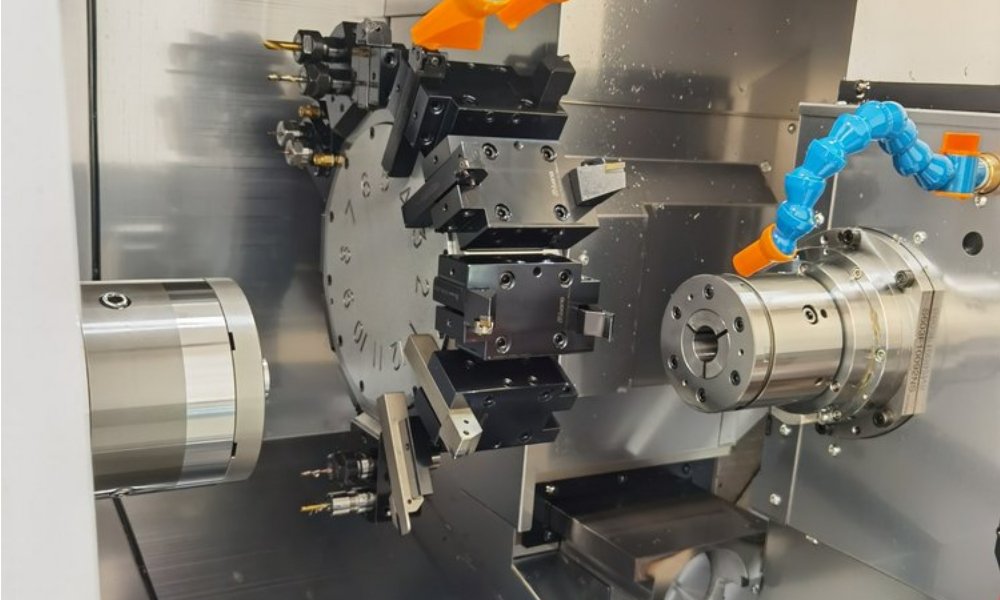
CNC machining flexes across both sides of OEM vs ODM unusually well. For OEM buyers, a machine shop acts as a pure build-to-print partner. Send a drawing or STEP file, and finished parts come back machined to your tolerances and checked against your callouts.
For ODM-style buyers, the same shop adds design horsepower. Engineers refine concepts, suggest materials, and build prototypes that look and function like production parts. Rapid prototyping and low-volume runs then bridge the gap between idea and launch.
If you want one supplier for both paths, send your project to XAP Precision for a free quote and free DFM feedback.
Volume flexibility matters just as much. A good CNC partner produces one prototype, a pilot batch, or recurring low-volume runs without forcing you into tooling. That makes machining a natural home for both OEM and ODM programs during their early phases. Our small batch CNC manufacturing guide covers the economics in detail.
XAP Precision works both ways every day. For OEM customers, we run strict build-to-print production with free DFM comments on every drawing. Meanwhile, ODM teams get design-for-machining advice, fast prototypes, and low-volume runs that scale into steady production. Our ISO 9001 quality system follows standards published by the International Organization for Standardization. Review our background and inspection approach on the company and quality credentials page, and explore the full capability list on the custom CNC machining services overview.
Frequently Asked Questions About OEM vs ODM Manufacturing
What is the main difference between OEM and ODM?
In OEM, you own the design and the factory builds to your print. In ODM, the factory contributes the design, and you brand the result. Therefore, OEM gives control, while ODM gives speed.
Which model protects my intellectual property better?
OEM usually protects IP better, because you supply the design and keep the drawings under NDA. With ODM, clarify design ownership in writing before production starts.
Can a CNC shop support both OEM and ODM projects?
Yes. XAP Precision builds OEM parts strictly to drawing and also offers DFM feedback that improves ODM designs. Send your files, and the team will match the workflow to your model.
Start Your OEM vs ODM Project with a Free Quote
Whichever model you choose, the first step looks the same. Most projects start with a single drawing or a rough concept, and either one is enough to begin. Share your drawings or your concept, and let an engineer review it before you commit. Send your files through the XAP Precision contact page to receive a free quote and free DFM feedback, with no obligation. Whether you need build-to-print OEM parts or ODM-style design support, our team is ready to help.