Low-volume manufacturing is the production of small batches of parts, usually between 10 and 10,000 units. In other words, you make what you need right now, and nothing more. This approach helps teams launch products faster while avoiding the heavy cost of mass production. In this guide, you will learn how low-volume manufacturing works, which processes fit small batches best, and how to trim cost without losing quality.
What Is Low-Volume Manufacturing?
Low-volume manufacturing sits between prototyping and mass production. Most machine shops define it as any run from about 10 to 10,000 parts. For example, a robotics startup may need 50 aluminum brackets this month. Meanwhile, a medical device maker might order 2,000 machined housings each quarter. Both cases fit squarely inside this range.
The goal is simple. You produce enough parts to meet real demand, but you never bet the budget on one huge order. As a result, you keep cash free and stay flexible. In fact, many teams treat small batches as a bridge. They test the market first, then scale up only after customers confirm real interest.
Why Low-Volume Manufacturing Beats Mass Production
First, consider cost. Mass production demands expensive hard tooling, and that tooling only pays off at huge volumes. By contrast, low-volume manufacturing leans on flexible processes like CNC machining. You skip most tooling cost, so your first usable part stays affordable. Therefore, small teams can launch products that would never justify a million-dollar mold.
Second, speed matters. A hard production tool can take months to build and validate. However, a machined batch often ships in days or a few weeks. Consequently, you reach the market faster and start collecting feedback sooner. That feedback loop is worth more than most teams expect.
Third, flexibility is the real superpower. Design changes are common in young products. With small batches, you simply revise the CAD file and machine the next batch with the updates. In other words, you improve the part continuously instead of scrapping expensive tooling. Most importantly, you take on far less inventory risk.
Low-Volume vs. High-Volume Production
Should you aim for high-volume or low-volume manufacturing? The answer depends on demand, budget, and design maturity. In particular, the crossover point depends on tooling cost, demand stability, and how final your design really is. The table below compares both approaches at a glance.
| Factor | Low-volume production | High-volume production |
| Typical volume | 10 to 10,000 parts | 10,000 to 1,000,000+ parts |
| Tooling | Minimal, or rapid tooling only | Hard steel tooling with high upfront cost |
| Cost structure | Higher per part, low upfront | Lower per part, very high upfront |
| Lead time | Days to a few weeks | Months of setup before first parts ship |
| Design changes | Easy to absorb between batches | Expensive once tooling is cut |
| Best fit | Market testing and niche products | Mature products with stable demand |
In short, neither approach wins by default. High volume shines when demand is proven and steady. On the other hand, low-volume manufacturing wins when speed, quality, and adaptability matter more. Many products start with small batches and migrate to mass production only after sales stabilize.
Best Processes for Small Batches
CNC Machining
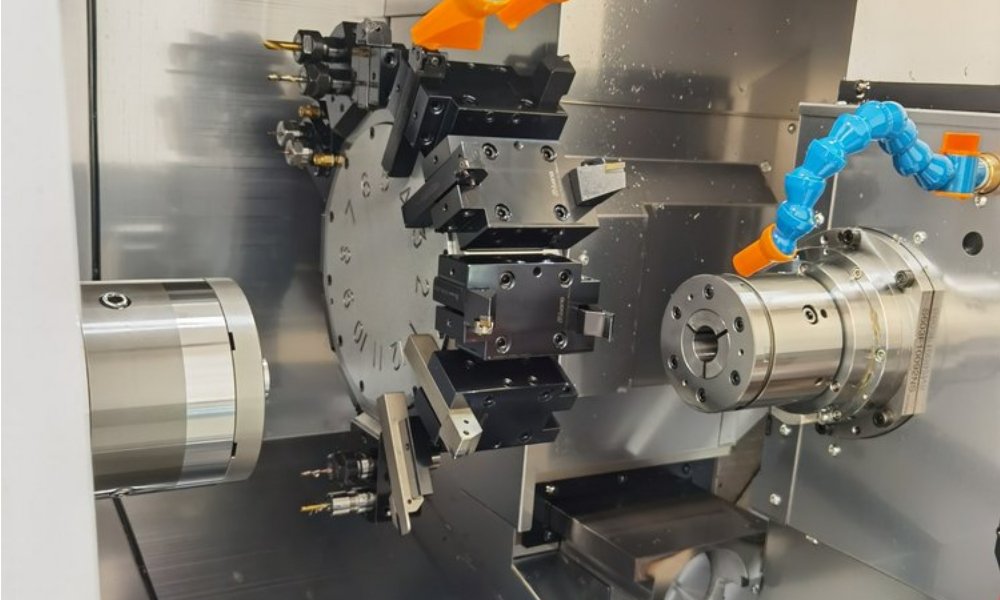
CNC machining is the workhorse of low-volume manufacturing. Modern 3-axis, 4-axis, and 5-axis machines cut aluminum 6061 and 7075, stainless steel 304 and 316, brass, titanium, and plastics like POM, PEEK, and nylon. Moreover, setup is fast because the machine follows your CAD file directly. Tolerances of +/-0.005mm are routine for precision features. You can see the same speed advantage in our guide to rapid prototyping with CNC.
At XAP Precision, ISO 9001-certified teams machine both prototypes and production batches on the same equipment. As a result, your small-batch parts follow the same quality system as full production work.
Rapid Tooling
Rapid tooling is another strong option when you need molded or formed parts. For example, soft aluminum molds let you injection-mold hundreds of plastic parts without hard steel. Similarly, sheet metal prototypes can use temporary fixtures instead of full dies. In addition, industry publications like Modern Machine Shop offer useful deep dives into tooling strategy.
Above all, match the process to your volume and material. CNC fits tight-tolerance metal and plastic parts. Rapid tooling fits plastic housings in the hundreds-to-thousands range. If you are unsure, ask your supplier to review both paths before you commit.
How to Reduce Costs in Low-Volume Runs
Small batches cost more per part than mass production, because setup time spreads across fewer units. However, smart choices can shrink that gap sharply. The levers below cover design, sourcing, and supplier relationships, and they work for almost any machined part.
Design for the Process
Start with design. Avoid deep pockets, sharp internal corners, and thin walls that slow machining down. In addition, hold tight tolerances only on features that truly need them. Every +/-0.005mm callout adds machining time and inspection cost. Meanwhile, relaxed tolerances elsewhere can reduce price noticeably.
Pick Smart Materials and Setups
Next, choose common materials in standard stock sizes. Aluminum 6061, brass, and POM are readily available, so they keep material cost and lead time low. In addition, batching similar parts onto one fixture reduces setup changes. For a deeper breakdown of machine rates and part pricing, see our CNC machining cost guide.
Build a Partnership, Not Just a PO
Finally, work with a supplier who gives DFM feedback before cutting. A good shop spots expensive features early and suggests cheaper alternatives. On top of that, forecast your next batch so the shop can reserve capacity and buy material ahead. Those habits compound into serious savings across a year.
Industries That Rely on Low-Volume Manufacturing
Medical device makers lean heavily on low-volume manufacturing. They need traceable materials, strict quality, and frequent design updates during development. Small batches fit that rhythm perfectly. As a result, many device companies machine pilot batches long before regulatory approval, and each revision stays fully documented.
Aerospace and defense buyers need the same discipline. Many aircraft and drone parts fly in small fleets, so demand stays low while precision stays high. Similarly, robotics and automation teams order dozens of unique brackets, shafts, and housings in small quantities every month.
Even automotive and electronics companies use small batches for aftermarket parts, test rigs, and limited editions. Many of these buyers run dozens of part numbers at once. Our guide to choosing a CNC machining supplier explains how to find shops that manage that complexity well.
Frequently Asked Questions
What counts as low-volume manufacturing?
Low-volume manufacturing covers production runs between roughly 10 and 10,000 parts. It fills the gap between one-off prototyping and mass production. Most CNC shops specialize in exactly this range, so support and pricing are easy to find.
Is low-volume manufacturing more expensive per part?
The per-part price is higher than mass production, because setup cost spreads over fewer units. However, your total spend and inventory risk are usually much lower. You also avoid expensive tooling entirely. For many products, that trade-off is clearly worth it.
How fast can a small CNC batch ship?
Simple machined batches often ship in 5 to 10 business days. Complex parts with tight tolerances or special finishes may take two to three weeks. Your supplier should confirm the schedule before you place the order. Ask about rush options if your timeline is tight.
Can small-batch parts match production quality?
Yes. CNC machines hold the same tolerances whether they cut 10 parts or 10,000. With an ISO 9001 quality system, inspection and documentation stay consistent across every batch you order. In other words, you get production-grade parts from day one.
When should I move to mass production?
Move up when demand is stable and your design is frozen. If you still change the part every quarter, small batches remain the safer choice. The crossover point depends on tooling cost versus per-part savings. Your supplier can model both scenarios for you.
Which materials work best for small batches?
Aluminum 6061 and 7075, stainless steel 304 and 316, brass, and engineering plastics like POM and PEEK are all excellent. They are easy to source and machine well. Your supplier can suggest the best match for your application.
Conclusion
Low-volume manufacturing gives you speed, flexibility, and control that mass production cannot match. You test the market, refine the design, and ship real parts without huge upfront risk. Moreover, CNC machining keeps small batches precise, repeatable, and fast. If you are planning a small batch or a bridge production run, XAP Precision can help with DFM advice, quick quotes, and ISO 9001 quality at every step. Reach out today and turn your next batch into a smooth win.