Railway hardware carries passengers and freight and must perform safely for decades under vibration, shock, and weather. That record demands parts that are strong, traceable, and made to strict quality standards. XAP Precision provides CNC machining railway capability for rolling-stock and infrastructure suppliers, machining brake components, coupler parts, gearbox housings, sensor mountings, and heavy structural pieces. Our work suits the safety-critical nature of rail, where documentation and consistency matter as much as the cutting itself. This guide explains how our CNC machining railway programs help builders meet demanding schedules while holding the quality that rail operators expect.
Why CNC Machining Railway Components Is Safety-Critical
Unlike many industries, rail cannot treat a defective part as a simple return. A worn brake interface or an out-of-tolerance coupler can affect safety and cause long service interruptions. Our CNC machining railway approach therefore begins with the risk profile of each part. We identify the features that carry load or control fit and apply extra process control and inspection to them. Full traceability supports this: we record material, machine, program, and measurement data so any batch can be documented later. That discipline aligns well with other safety-focused work such as our defense CNC machining programs, where records are as important as the part. We apply the same rigor to first-article approval, so a new part is fully measured and documented before a batch is released. This reduces the chance of a recurring dimensional error reaching a vehicle. For long-lived rolling stock, that early discipline protects both safety and the cost of a fleet across decades of operation and overhaul.
Rolling Stock Parts We Machine
We produce a range of components for cars, locomotives, and bogies. This includes brake hardware, coupler parts, gearbox housings and covers, shafts, axle seats, mounting brackets, and sensor housings for monitoring systems. Drivetrain work overlaps with our motor housing machining expertise for traction and auxiliary motors. Control and instrumentation cabinets rely on our CNC machined enclosures to protect electronics from shock and dust. For hydraulic braking and actuation circuits, we add precision valve body machining so blocks meet their sealing and flow requirements. The breadth lets us support several subsystems from one accountable supplier. Wheelset and axle-box related hardware is machined with attention to the interfaces that set running clearances, since those gaps influence ride and bearing life. Coupler and draft gear components are held to fits that keep assemblies square under pull and buff loads. Where monitoring systems retrofit older cars, we produce brackets and adapters that bolt in without modifying the existing structure. This keeps upgrades simple and repeatable across a whole fleet, so one proven design can be applied to many vehicles over years of service.
Heavy Machining for Large Rail Parts
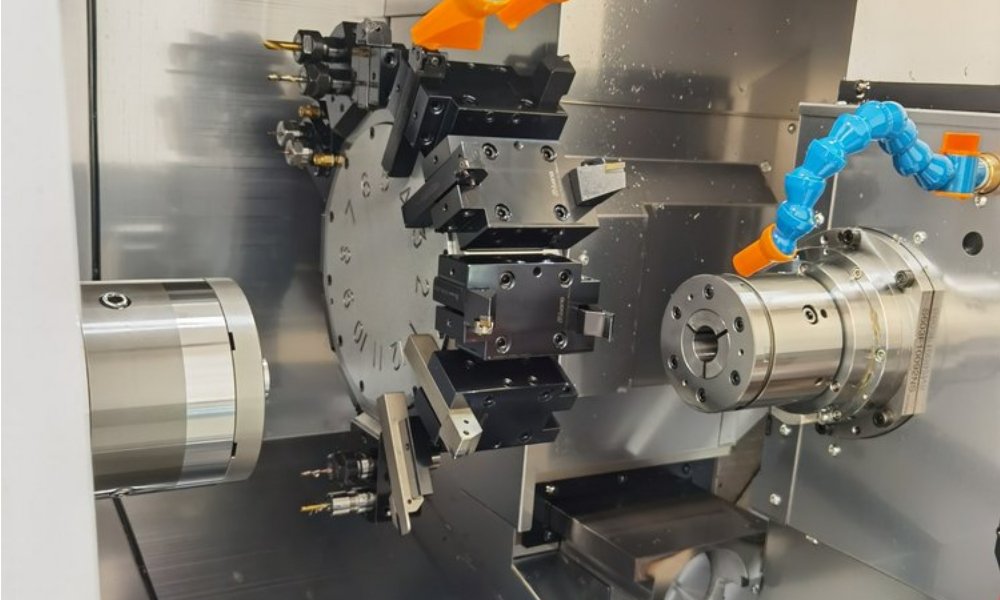
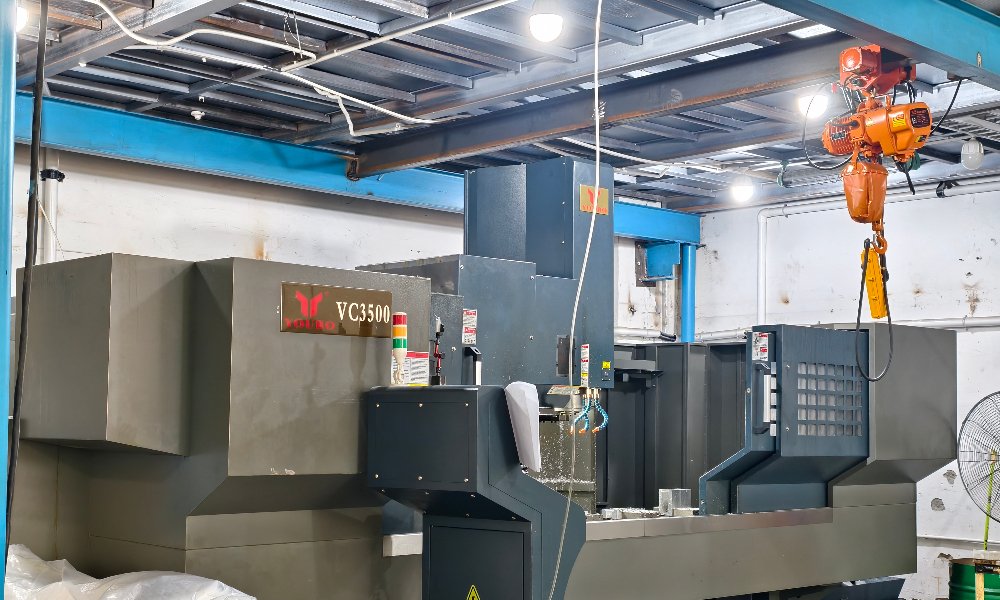
Rail components can be large and thick, which requires rigid machines, careful fixturing, and well-planned cuts. We handle heavy machining on large boring mills and multi-axis centers, removing significant stock while keeping geometry true. Thermal growth and tool deflection are managed through roughing and finishing passes so final dimensions stay stable. We also plan features so that mating surfaces align when parts are assembled onto a bogie or body. Because our CNC machining railway programs often involve fewer, larger parts, we can verify dimensions on the machine as well as offline, reducing the risk of expensive rework on big castings and forgings. We also plan setups so a heavy part is referenced once and finished without repeated re-clamping, which preserves datum relationships on large surfaces. Roughing and finishing are split to relieve stresses that could shift a big component mid-cut. These methods keep dimensional results consistent even when individual parts weigh a great deal and machining time is long.
Materials and Standards in Rail Production
Material choice in rail balances strength, wear, weight, and cost. We machine structural and alloy steels, stainless steels for corrosion exposure, cast iron grades for wear surfaces, and aluminum for lighter brackets and housings where loads allow. We work to your applicable requirements and standards, holding the fits and finishes that assemblies demand. Where parts must resist harsh conditions similar to our oil and gas CNC machining work, we apply the same proven approaches for durability. Proper material certification and traceability underpin every CNC machining railway order we run, so operators receive parts backed by records and repeatable quality. Where a part supports a bogie or drivetrain, we balance hardness for wear against toughness for shock, because rail impacts are sudden and repeated. We select processes that avoid surface defects that could seed cracking under cyclic load. Documented material properties let an operator trust a replacement across the fleet rather than test-fit every unit before assembly.
Quality Systems and Documentation
Rail buyers evaluate a supplier on process, not just output. We maintain documented inspection plans, calibrated measurement equipment, and traceable records for every batch, so each part can be tied to its material and machining history. Critical dimensions are checked on coordinate measuring machines and results are retained. This documentation helps you satisfy operator audits and keep a clear history across long service lives, which a strong CNC machining railway partner should always be able to produce. We also agree on packaging and handling to protect finished surfaces and sealing faces during transport to assembly sites and depots. We store measurement data so you can review trends and demonstrate control during periodic audits or contract renewals. For parts with limited shelf lives or long lead times, clear records help planners forecast and order with confidence. This documentation-heavy model is essential to railway supply, where an operator must defend every component decision years after the vehicle enters service.
Low-Volume and Replacement Support for Aged Fleets
Rail vehicles stay in service for decades, and obsolete parts must be reproduced long after original tooling is gone. Casting or forging small replacement runs is rarely economical, so our CNC machining railway process offers a practical path. We store your models, programs, and inspection data, then remake parts on demand with no die cost and no large minimum. This makes low-volume spares affordable while keeping geometry identical to the original, so a replacement fits aged fleets without modification, and supports your maintenance and reliability goals. We also support overhauls, where a fleet is refurbished and many worn parts are replaced at once with matched batches. Reproducing these items from stored programs keeps dimensions stable across a whole refurbishment wave. The effect is a predictable supply of replacements for vehicles that must stay in revenue service far longer than their original design assumed.
Do you work to railway standards and specifications?
We machine to the customer drawings and applicable standards for each part. Because rail requirements vary by operator and region, we confirm the governing specification, tolerances, and documentation level for your order before production begins.
How do you manage quality for safety-critical rail parts?
We apply documented inspection plans, calibrated measurement equipment, and full traceability from material to finished part. Critical features receive extra process control and measurement, and records are retained to support audits and long service histories.
Can you reproduce obsolete rolling-stock parts in small quantities?
Yes. CNC machining does not require casting dies or forging tooling, so small replacement runs are economical. We keep models, programs, and gauges on file, which lets us remake obsolete parts to match the original dimensions reliably over time.