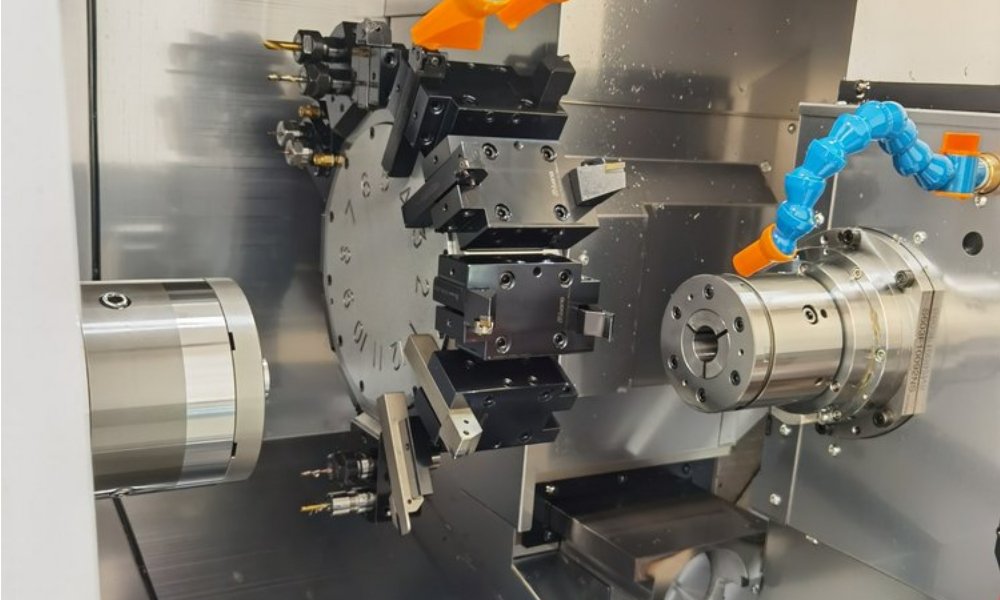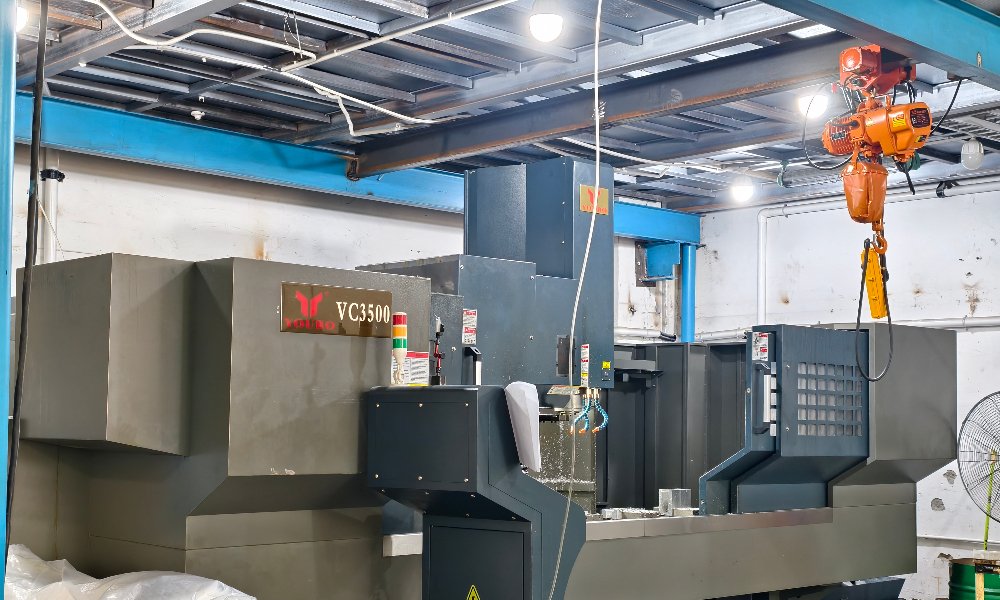
Data centers are densifying, and every new generation of servers pulls more power and rejects more heat into the same rack space. That pressure puts thermal hardware and structural parts at the center of design decisions. XAP Precision provides CNC machining data center capability for builders of servers, storage, and cooling systems. We machine chassis, cold plates, heat sinks, busbars, and mounting brackets from aluminum and copper to tight tolerances. As facilities move toward liquid cooling, the demand for precisely made thermal components grows quickly. This guide shows how our CNC machining data center programs support reliable, repeatable hardware at volume.
Why CNC Machining Data Center Hardware Matters
Server hardware is assembled fast, in volume, and must line up without hand fitting. A chassis that is not square, a cold plate that is not flat, or a bracket that is off by a fraction can stall an assembly line or cause a thermal gap that throttles a processor. Our CNC machining data center workflow starts with the assembly reality, then machines to make fit-up predictable. We control flatness on mating faces and hold hole patterns to true position so panels, boards, and coolers install cleanly. Because demand for these parts scales with deployment waves, we keep programs stored so repeat orders reuse setups instead of requalifying them. That continuity protects both schedule and quality as volumes rise, which is what high-volume hardware buyers need from a dependable manufacturing partner. We also design fixturing to protect machined surfaces during heavy production, since a nick on a sealing face or a cold-plate base can waste an otherwise good part. Where a rack uses identical modules, we hold one shared datum across them so trays and boards swap without rework. That focus on assembly behavior is what separates parts that merely measure well from parts that install well.
Server Chassis and Structural Components
The chassis carries boards, drives, and cooling, and it shields neighboring equipment. We machine aluminum frames, rails, and panels that stay square under load and provide reliable mounting for our CNC machined enclosures, which house power and control electronics. Straight, well-located rails guide trays in and out without binding, and accurate holes support fast, tool-free service access. For facilities deploying their own compute, structural accuracy also protects airflow paths that keep intake and exhaust separated. Where a system integrates liquid loops, we coordinate with pump and motor mounts from our motor housing machining work to keep circulation aligned. The result is hardware that assembles predictably at high volume. We control squareness and diagonal measurements so a frame does not rack in transit and then fight the technician on install. Machined slots and detents support tool-less drive and board retention that speeds service. Where a design must carry weight during shipping and racking, we add material only at load points and relieve it elsewhere, keeping the chassis stiff without adding unnecessary mass.
Thermal Hardware: Cold Plates and Heat Sinks
Cooling is now a primary constraint in the rack. Liquid cold plates bolt directly to processors and must transfer heat efficiently, which depends on a flat contact face and true, evenly located ports and mounting holes. We machine cold plates to hold these dimensions so the interface stays compressed without stressing the silicon. Our CNC machined heat sinks provide straight, dense fins and flat bases for air and hybrid cooling paths. Copper offers the highest conductivity where heat flux is extreme, while aluminum gives a lighter, lower-cost option for many applications. Consistent thermal hardware protects uptime and performance in dense deployments. We can machine mounting features and through-holes for quick-connect fittings in the same setup, so a plate arrives ready for loop assembly. For air path components, we hold fin straightness and base flatness so the cooler seats fully against its target. Consistent thermal dimensions reduce the spread of operating temperatures across a rack, which helps operators set reliable performance targets.
Busbars, Connectors, and Power Delivery
Efficient power distribution depends on precisely machined busbars and connector surfaces. Busbars need accurate thickness, hole patterns, and bend or machined faces so they bolt together with low contact resistance and even current flow. We machine copper and aluminum busbar hardware to tight tolerances and support mating features that keep joints stable under thermal cycling. For interconnects, our semiconductor CNC machining work informs carriers and fixtures that hold sensitive parts during assembly. Good power hardware reduces resistive losses and hot spots, which is exactly what a CNC machining data center program should help operators control at scale. We machine busbar faces flat and clean so joints run cool under full current, and we add features that keep correct spacing between phases. For high-current paths, tight control of thickness and contact area lowers resistive heating at every connection. These small precision gains reduce energy loss and shrink the risk of a hotspot that could trip a circuit during peak load.
Materials and EMI Control
Material choice in these components balances thermal, structural, and electrical needs. We machine aluminum 6061 and cast aluminum for frames and housings, copper and copper alloys for busbars and high-flux cold plates, and brass where conductivity and clean threads matter. Metal enclosures also serve as EMI shields, so we control flatness and finish on mating surfaces to keep seams conductive and blocks sealed against interference. For high-speed links, our optical mount machining helps position connectors and modules accurately. Together, these material and finish decisions protect both signal integrity and thermal performance. We keep conductivity paths bare where they must be and coat or anodize only the areas that need protection, so plating and finishing support both EMI and electrical function. For mixed-metal assemblies, we manage galvanic exposure through finish choice and isolation features. This coordination of material and finish is how a machined part serves several design goals at once without compromise.
Consistent Quality at Deployment Volumes
Data center hardware is ordered in large, planned batches, and every unit must match the last. We produce repeatable runs on calibrated machines with in-process checks, and verify critical features on coordinate measuring equipment so results stay stable across thousands of parts. Programs and fixtures are stored, so a follow-on deployment reuses the proven setup rather than requalifying it, saving weeks and avoiding drift. Because our CNC machining data center process is digital and documented, builders can scale with confidence as facilities expand. Consistent quality at volume is the difference between a smooth rollout and a stalled one. For operators planning capacity in stages, we support scheduled releases that draw from a stored program, so each phase matches the last. Because our process is documented and repeatable, new batches slot into an existing deployment without a requalification cycle. This scalability is essential as facilities grow rack by rack and cannot afford hardware that breaks a validated baseline.
What materials do you machine for data center components?
We machine aluminum 6061 for chassis and heat sinks, copper and copper alloys for busbars and high-performance cold plates, and brass for conductive interfaces. Selection depends on thermal load, structural needs, and conductivity requirements of each component.
How flat must a cold plate contact surface be?
Cold plate faces need high flatness so the thermal interface material compresses evenly and heat transfers without hot spots. We hold flatness and true-position tolerances on ports and mounting holes so plates bolt down square and maintain consistent contact with the processor.
Can you supply consistent parts at deployment volumes?
Yes. We run repeatable batches on calibrated machines with documented in-process checks, and we store programs and fixtures so follow-on orders reuse the same proven setup. This continuity keeps dimensions stable across large, planned hardware deployments.