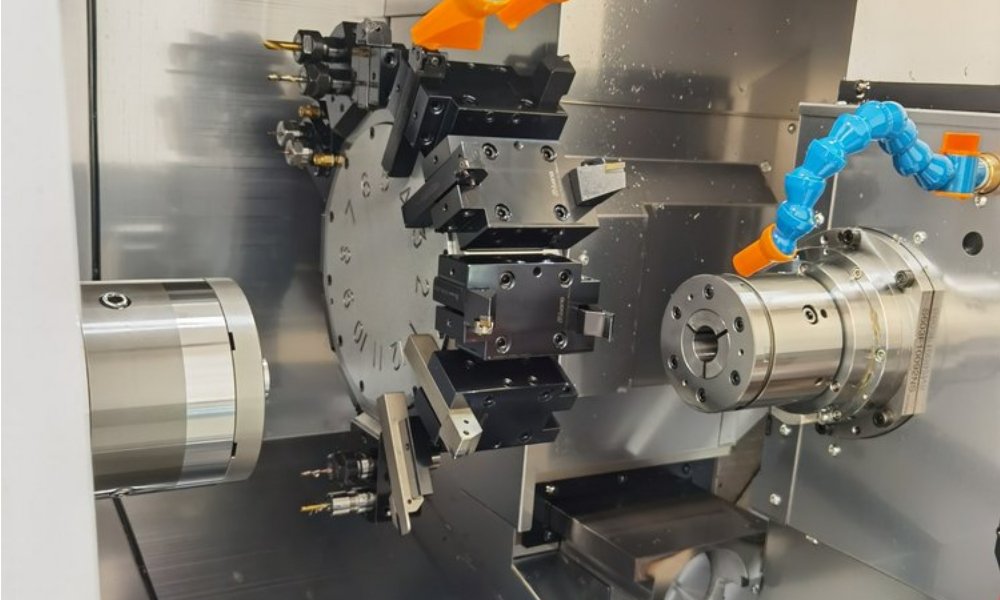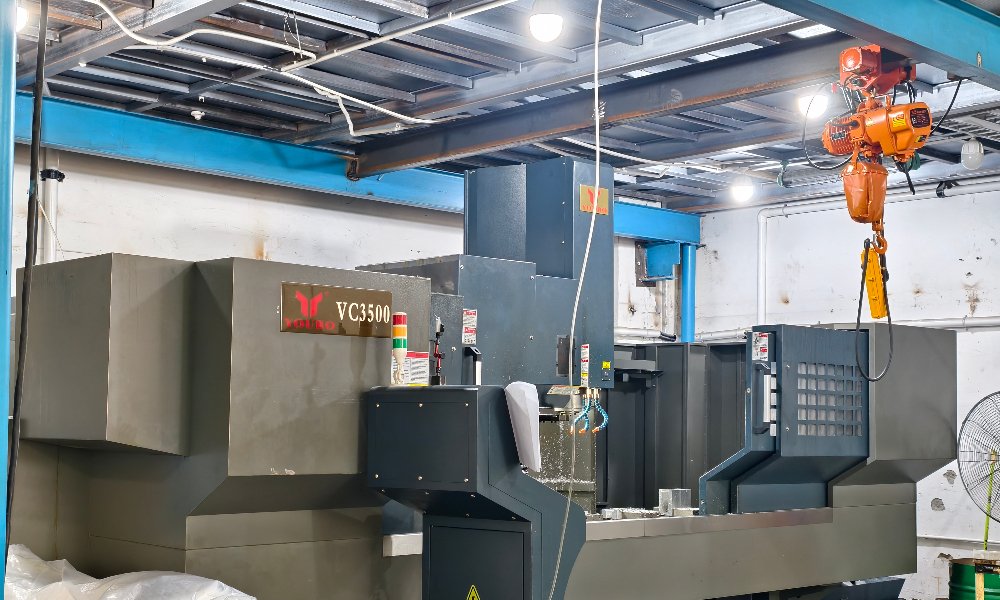
CNC fixtures are the quiet workhorses of profitable machining. They locate, clamp, and support a part so every cut lands in the right place. A good fixture lets an operator load a blank in seconds, hit cycle start, and trust that part number 500 matches part number one. For repeat orders, the right fixture is often the difference between a winning quote and an expensive one.
This guide explains what CNC fixtures do, the main types you will meet, and when a fixture investment pays off.
What CNC Fixtures and Jigs Actually Do
A fixture holds the workpiece rigidly in a known position relative to the spindle, and it does three jobs. First, it locates the part. Hardened pins and reference faces define exactly where the blank sits. Second, it clamps the part against cutting forces. Third, it supports thin walls and fragile sections so they do not chatter or deflect under the tool.
People often say jigs and fixtures together, but the terms differ. A jig guides the tool as well as holding the part. The fixture, by contrast, only holds it. On CNC equipment, the program guides the tool, so nearly everything in a modern shop is a fixture in practice.
Good CNC fixtures also make loading foolproof. Asymmetric pin layouts prevent the operator from clamping the part backwards. That single trait eliminates a whole class of scrap, especially on night shifts and busy days.
Most locating schemes follow the 3-2-1 principle. Six locating points constrain all six degrees of freedom of the part. The fixture designer decides which faces, holes, or edges carry those points, and that decision drives both accuracy and load speed. In practice, the locating faces usually match the datum references on your drawing. That alignment keeps fixture accuracy and inspection accuracy on the same basis.
Why CNC Fixtures Cut Cost at Volume
Fixtures cost money upfront, then pay it back in four ways.
Loading gets faster. A vise and a scribed line take minutes per part. By contrast, a dedicated fixture loads in seconds, often with one clamp action. Shorter load times shrink the effective cycle and can let one operator run multiple machines. The result is simple: CNC fixtures turn a skilled, slow operation into a fast, stable one.
Repeatability gets tighter. Human alignment varies, but fixture pins do not. Repeatable locating keeps part-to-part variation small and lets you trust in-process measurements.
Setups get fewer. A well-designed fixture exposes several faces at once, so one setup replaces two or three. Every skipped setup saves machine time and removes one source of alignment error.
Skill requirements drop. With a foolproof fixture, any trained operator produces good parts. The knowledge lives in the fixture and the program instead of in one person’s hands.
Scrap rates drop as well. Consistent clamping and support mean fewer chatter marks, fewer misloads, and fewer out-of-tolerance parts. Over a year of repeat batches, that reduction alone can pay for the fixture several times over.
Common Types of CNC Fixtures
Shops choose among several CNC fixture styles based on part shape, batch size, and how the part presents to the spindle:
- Plate fixtures. A machined plate carries locators, clamps, and supports. This is the simplest and most common style for repeat batches.
- Soft jaws. Vise jaws get machined to wrap around the specific part. They are quick to make, excellent for round or odd shapes, and cheap to re-cut when the design changes.
- Modular fixtures. Reusable grids of pins, blocks, and clamps reconfigure for each job. They suit prototypes and families of similar parts.
- Vacuum fixtures. Suction holds flat, thin parts such as panels and plates. With no clamp shadows, the entire face is machinable in one pass.
Shops also combine styles. For example, one plate fixture can carry soft-jaw sub-fixtures for two part numbers, and a vacuum plate can add edge clamps for heavy cuts.
When a CNC Fixture Pays Off
As a general rule, CNC fixtures pay off when you repeat batches. A one-off prototype rarely justifies one, because a vise and soft jaws are enough. But when the same part runs monthly, or when cycle time and scrap start to pinch, the math flips. On the other hand, do not over-invest. If the design may change next quarter, modular fixtures and soft jaws protect you from redesign cost.
Watch for these signals. Loading takes longer than cutting. First-article checks fail at random. One setup has grown into three. Demand has doubled and the machine has become the bottleneck. Any of these tips the balance toward a dedicated fixture. The breakeven point often lands earlier than buyers expect, sometimes within a few hundred parts. For example, an aluminum bracket ordered quarterly at 1,000 pieces can justify a plate fixture on the second order.
How Shops Design CNC Fixtures for Repeat Orders
For repeat orders, shops often propose fixtures on their own initiative. The conversation usually goes like this. Your order history shows a quarterly batch, so the machinist suggests a plate fixture that cuts load time in half. The fixture cost rolls into subsequent orders, and your per-part price drops.
XAP Precision follows that practice. When a drawing becomes a repeat order, our engineers review the locating strategy and suggest fixtures where they reduce cost or improve consistency. Long-running examples appear on our CNC machining product case page, and most of those parts run on dedicated fixtures built in-house.
If you expect recurring volumes, raise fixtures early. The best designs happen alongside DFM review, not after the fifth late delivery. Our CNC milling service team can walk you through locating options with your very first quote.
Frequently Asked Questions About CNC Fixtures
Who pays for CNC fixtures, the shop or the buyer?
Practices vary. Some shops absorb small fixture costs into the part price for committed repeat orders. Larger dedicated fixtures may carry a one-time charge. Ask how fixture cost is handled in the quote, and whether the fixture stays at the shop for your future orders.
How long does it take to make a fixture?
Machinists can cut a soft jaw set in under an hour. A full plate fixture, however, typically takes one to three days of CNC milling. Modular fixtures are assembled rather than machined, so they are ready almost immediately for prototype work.
Can fixtures hurt surface finish?
Poorly designed ones can. Excess clamp force marks soft materials, and missing support invites chatter. Good CNC fixtures balance clamping force, protect finished faces, and place supports directly under cutting loads. Mention cosmetic requirements on the drawing so the fixture design accounts for them.
Plan Your Next Batch With Fixture Support
If you order the same parts again and again, fixture strategy deserves a line in every quote. Send XAP Precision your drawings and annual volumes. We will quote the parts, suggest the right CNC fixtures, and flag other DFM savings at the same time. Contact us today for a free quote and free DFM feedback.