Ordering custom metal or plastic parts for the first time can feel risky. You probably wonder whether parts will match the drawing, and whether paperwork will hold up. The answer usually comes down to how clearly you specify precision machined parts before production starts. A complete drawing plus the right quality documents removes most of the risk. This guide explains what precision actually means, what your drawing must contain, which materials to pick, and what inspection records to request. We will also cover the mistakes that trip up first-time buyers. Follow it, and your first order will look a lot like your fiftieth.
Precision Machined Parts: What Actually Counts as Precision?
Definitions of precision machined parts vary by shop, so anchor the term with tolerances. General CNC milling and turning hold about ±0.1 mm on non-critical dimensions, in line with general tolerance standards such as ISO 2768. Skilled shops then tighten critical features to ±0.05 mm, or even ±0.01 mm, where the design truly needs it. Each step down costs more, so buy only the accuracy your function demands.
Tighter is not always better, however. Every tolerance you tighten adds machining time, inspection effort, and cost. Therefore, apply close tolerances only to features that drive fit or function, and leave the rest general. That one habit saves more money on precision machined parts than any other.
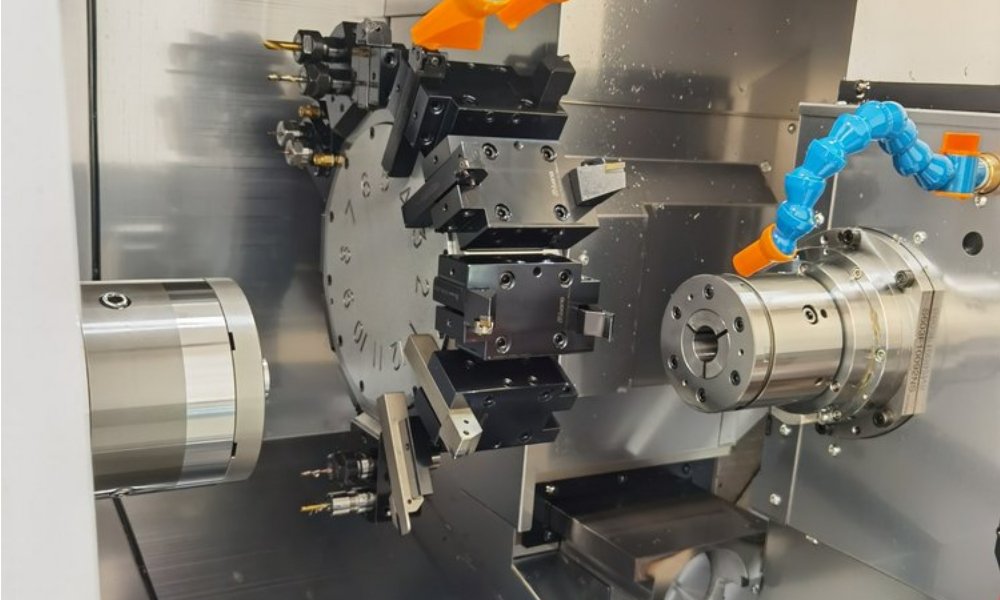
Achieving tight tolerances depends on more than the machine itself. Tool condition, fixturing, cutting parameters, and temperature all influence the final dimension. Skilled operators also verify features during the run, not just at the end. That is why supplier experience matters as much as equipment. The goal is simple: precision machined parts that match the drawing every time.
How to Specify Your Order: Drawing Must-Haves
Your drawing is the contract, so make it complete. Clear specs separate great precision machined parts from expensive surprises. Check these items before you hit send:
- Dimensions and tolerances: mark every critical feature explicitly. Then state a general tolerance block for everything else.
- Threads: name the type, size, and class. For example, write M6 x 1.0 6H instead of a bare M6 thread.
- Surface finish: call out roughness values or treatments such as anodizing. Also mark cosmetic faces clearly.
- Material: name the alloy and standard. For example, 6061-T6 aluminum or 316L stainless steel.
- Units and projection: state millimeters or inches. Also choose third-angle or first-angle projection so nobody mirrors the part.
- Title block: include part number, revision, and company name so revisions stay traceable.
Send a native CAD file with the drawing whenever possible. STEP files let engineers verify geometry quickly, which keeps your precision machined parts on schedule. Our DFM guidelines for outsourced CNC machining projects explain what else we check before quoting.
For mating features, consider geometric tolerances such as position or flatness. GD&T takes practice to read, yet it removes ambiguity where plus-minus dimensions fall short. If you are unsure, mark the feature critical and let your supplier propose a scheme.
Also state your revision process clearly. Confirm which drawing version governs if files conflict, and ask the supplier to flag mismatches before cutting starts.
Material Quick Picks for First Orders
Aluminum 6061 stays the safest default for precision machined parts. It machines easily, costs little, and anodizes well. Choose 304 or 316 stainless when you need strength or corrosion resistance, and brass when you want speed plus a decorative finish. For chemical or high-temperature service, look at PEEK or PTFE. Our material selection guide for custom CNC machined parts walks through every option.
Titanium belongs in the conversation for aerospace and medical work. It combines low weight with high strength and biocompatibility, although it machines slower than aluminum. Expect a higher price, and pair it with a shop that has proven titanium experience. Carbon steel suits strong, low-cost brackets, especially with plating or paint for corrosion protection.
Before you place a first order for precision machined parts, send your drawing to XAP Precision. You get a free quote plus free DFM feedback, with no obligation.
Inspection and Paperwork Worth Requesting
Documentation protects every shipment of precision machined parts. Professional suppliers expect these requests, so ask early:
- Ask for a dimensional report covering the critical features on your drawing.
- Request a material certificate tying the batch to its mill record.
- Require first article inspection for new designs, so you approve a sample before the full run.
- Collect finish records where treatments such as anodizing affect function or appearance.
An ISO 9001 quality system gives you a baseline of documented process control. Ask how the supplier handles non-conforming parts, and how they keep measuring equipment calibrated. A solid shop quarantines bad parts, documents the deviation, and proposes rework or credit. Clear escalation rules, agreed up front, keep small issues from becoming disputes. XAP Precision works under an ISO 9001 system, and our quality and company overview page summarizes how we inspect parts.
If you sell into regulated markets, ask for additional records early. Extra paperwork is easy to plan ahead and painful to retrofit.
How a Typical First Order Flows
Knowing the steps removes most first-order anxiety. First, you send drawings or CAD files for your precision machined parts and receive a quote. Next, the supplier reviews manufacturability and flags risky features. After you approve, machining starts, followed by inspection and packing. Finally, parts ship with the agreed documentation. Throughout the process, a good shop keeps you informed at each gate. Ask which shipping method fits your timeline. Air freight delivers fast, while sea freight cuts cost on heavier batches.
Common First-Order Mistakes, and How to Avoid Them
Over-tolerancing tops the list, and it plagues many precision machined parts orders. Buyers often tighten every dimension to ±0.01 mm, then pay for inspection nobody needs. Instead, reserve tight callouts for mating features.
Missing secondary operations cause the next class of errors. If your part needs inserts, plating, or engraving, state it on the drawing. Otherwise, quotes compare different scopes, and surprises follow.
Vague cosmetic standards come third. Define which faces are visible and what acceptable surface quality means. As a result, you and your supplier inspect against the same yardstick.
Rushing the quote creates its own problems. Requests without drawings force assumptions, and assumptions turn into change orders. Instead, send your best drawing revision first, even if it needs tweaks later.
Finally, skipping DFM. A quick design review catches thin walls, deep pockets, and impossible threads before any metal gets cut. In fact, most first-order delays trace back to drawing issues rather than machines.
Quantity surprises round out the list. Ask about minimum order quantities and price breaks before you commit. CNC parts often get cheaper per unit as batch size grows.
Frequently Asked Questions About Precision Machined Parts
What counts as a precision machined part?
Parts holding tolerances around ±0.01 mm or tighter on critical features qualify. The exact class depends on function, so define critical dimensions on your drawing.
What should my drawing include before ordering precision parts?
Tolerances, thread callouts, surface finishes, material specification, and a general tolerance note. In addition, mark critical features so inspection focuses on them.
How do I check precision machined parts on arrival?
Measure critical dimensions with calibrated tools and compare them with the supplier’s inspection report. Sampling plans work for batches, while full checks suit small orders.
Place Your First Order for Precision Machined Parts with Confidence
Specify clearly, request the right paperwork, and invite DFM feedback early. That simple loop turns a risky first purchase into a repeatable routine. Our engineers review every drawing before machining starts, so you catch problems on paper instead of in metal. Send your drawing through the XAP Precision contact page today, and receive a free quote plus free DFM feedback from our engineers.