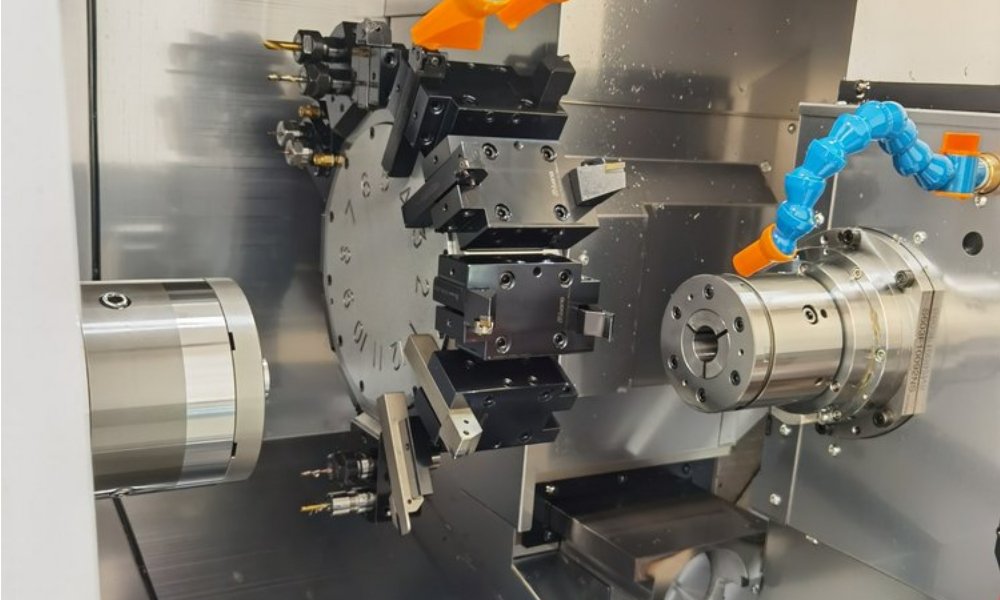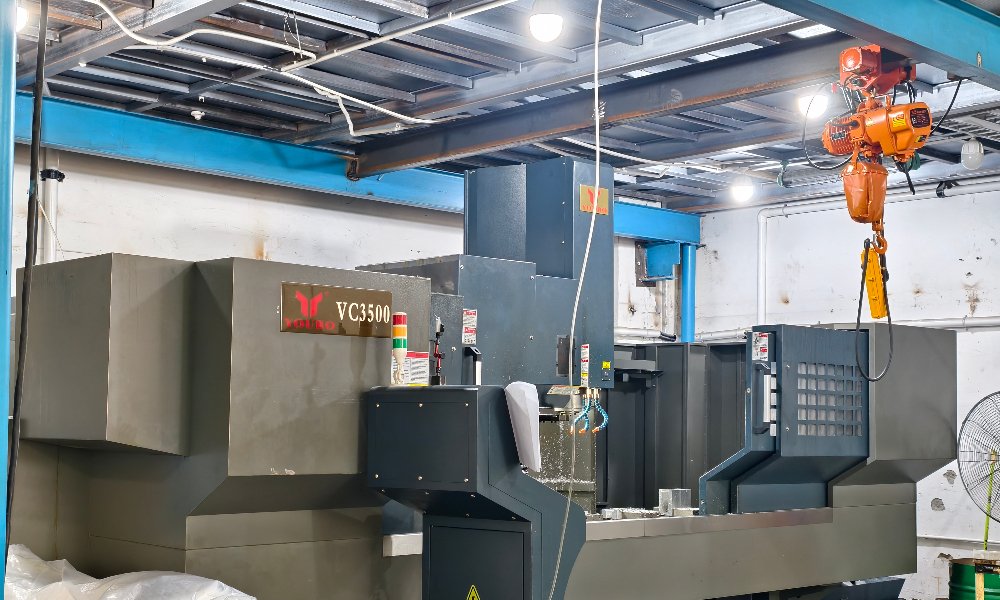
Automotive CNC machining turns digital designs into real vehicle parts, fast. It powers everything from concept prototypes to production fixtures and aftermarket upgrades. XAP Precision runs an ISO 9001 certified shop in China and serves automotive buyers worldwide. Moreover, we machine aluminum, steel, and brass components for OEM projects, motorsport teams, and EV startups. Sourcing automotive parts overseas demands a partner who understands these stakes. From one-off show parts to recurring batches, the process stays the same. This guide shows where automotive CNC machining fits in development programs. It also covers materials, tolerances, and the quality documentation you should demand.
Where Automotive CNC Machining Fits
Automotive CNC machining supports nearly every stage of vehicle development. First, design teams use it for prototypes that must look and function like the final part. Concept models also go through machining for early design reviews. Second, engineers order brackets, housings, and manifolds for test rigs. Third, production programs rely on machined fixtures, jigs, and gauges. In addition, transmission components such as shafts, gear blanks, and valve bodies start as machined parts. That breadth is why teams keep one automotive CNC machining partner for years.
Electric vehicles open fresh demand. Battery enclosures, motor housings, and cooling plates all need precise machining. Charging hardware and thermal management add further machined parts. Meanwhile, the aftermarket keeps growing. Enthusiasts order intake parts, spacers, and custom brackets in small batches. Motorsport adds another layer, where every gram matters. Automotive CNC machining serves all of these needs from one shop. Our product case studies show the range of parts we deliver.
Under the hood, machining serves classic roles too. Sensor brackets, throttle bodies, and pump housings all start on a mill or lathe. Suspension teams machine uprights and linkages from solid billet. In each case, CNC delivers geometry that casting cannot match at low volumes.
Materials for Automotive CNC Machining
Choosing materials for automotive CNC machining means balancing weight, strength, and cost. Aluminum 6061 is the default for brackets and housings. It machines fast and resists corrosion well. Aluminum 7075, however, suits high-stress motorsport components. Carbon steel offers toughness at lower cost for sturdy brackets. Stainless steel handles durability-critical parts like shafts and bushings. Brass, meanwhile, works well for fittings and sensor housings. For a deeper comparison, read our material selection guide.
Plastics earn their place too. POM serves low-friction bushings and clips. PEEK survives elevated temperatures near motors and batteries. Acrylic covers lenses and light guides. Additionally, we can suggest lighter alloys when weight drives range or lap time. Every automotive CNC machining project starts with this material conversation.
Meanwhile, cost follows material closely. Aluminum keeps both material and machining costs low. Stainless steel costs more to cut but lasts longer in harsh environments. Brass adds machinability for small, intricate fittings. Send us your requirements, and we will balance all three factors for you.
Tolerances and Finishes That Matter
Fit and function set the tolerance bar. Bearing bores and sealing faces need the tightest control. In contrast, cosmetic covers allow looser limits. Standard features follow general tolerance classes unless your drawing states otherwise. Tighter bores may need honing after milling. Therefore, define critical features clearly on your drawings. Our engineers flag unrealistic tolerances during DFM review. That step protects your budget before machining starts.
Surface finish matters for function and appearance alike. Anodizing protects aluminum enclosures from wear. Bead blasting gives a uniform matte texture. Polished or plated surfaces suit visible trim. Specify finishes early, since they change the machining sequence and cost. A capable automotive CNC machining partner suggests finishes during quoting, not after problems appear.
Two requirements often coexist on one part. For example, a motor housing needs precise bearing seats and a clean visible surface. We plan the machining sequence around both. As a result, you get one part that passes inspection and looks right. Share both requirements up front, and the quote will reflect them.
Low-Volume Automotive CNC Machining for Motorsport and EV Startups
Motorsport teams and EV startups rarely need thousands of parts. They need ten good ones, quickly. That is exactly where low-volume machining wins. There is no tooling, unlike casting or stamping. CNC asks only for a CAD file and a quantity. As a result, you can revise a bracket three times in the time one mold would consume. Similarly, you can react to rule changes mid-season without waiting for new tooling.
Low volume also de-risks launches. Build fifty parts, test them in the field, then scale. If the design changes, you simply update the CAD file. Consequently, capital stays in development instead of locked tooling. Some teams repeat this cycle every quarter. This flexibility defines automotive CNC machining for emerging teams.
Iteration speed compounds over a program. Teams that test weekly improve faster than teams waiting on tooling. Moreover, machined parts let you validate designs before committing to casting or molding. When volumes finally rise, your proven design transfers smoothly. That momentum often decides whether a startup ships on time.
Design Tips That Cut Automotive CNC Machining Cost
Small design choices move cost significantly. Keep tolerances as loose as function allows. Specify standard stock sizes to avoid custom material orders. Avoid deep pockets with tiny corner radii. In addition, design parts that fixture easily from one side. These habits keep quotes lean without weakening the part. Our DFM feedback highlights these opportunities in writing before you commit.
Consolidation helps too. One machined bracket can replace a welded assembly of four pieces. Similarly, standard hole sizes keep tooling simple. Share your target price when you request a quote. Our engineers will then work backward to meet it.
Quality Documentation You Should Demand
Automotive parts demand proof, not promises. Therefore, ask suppliers for material certificates and dimensional inspection reports. A serious shop provides both without hesitation. At XAP Precision, quality control covers incoming material checks, in-process inspection, and final measurement. Certified shops also keep calibration records for every instrument. In addition, our ISO 9001 certification means the whole system undergoes regular audits. Our quality control process describes each step in detail.
Notably, traceability matters even more for safety-relevant components. We record batch data so you can trace any part back to its raw material. Inspection equipment matters as much as process. We use calibrated instruments suited to each feature, and reports travel with your parts. Even cosmetic parts benefit from consistent inspection habits. Choose an automotive CNC machining supplier that documents everything by default. If you have special documentation needs, raise them during quoting. Ultimately, paperwork separates a professional partner from a risky one.
Frequently Asked Questions About Automotive CNC Machining
Can CNC machining support EV and aftermarket parts?
Yes. CNC suits EV battery housings, motor brackets, and aftermarket upgrades, because it needs no tooling. Therefore, low-volume and custom runs stay economical.
Which materials dominate automotive CNC machining?
6061 and 7075 aluminum lead for brackets and housings. Steel covers strength-critical parts, and brass serves fittings and bushings. The choice follows load, heat, and cost targets.
What documents should automotive CNC parts come with?
Ask for dimensional inspection reports and material certificates. Traceable paperwork speeds incoming inspection and supports your quality system.
Start Your Automotive CNC Machining Project
Send us your drawings, and let our engineers review them for free. You will get DFM feedback and a clear quotation, with no obligation. Upload your files through our contact page today. Whether you need one prototype or a recurring low-volume batch, XAP Precision is ready to help. Start your automotive CNC machining project with a simple conversation. Our engineers reply quickly with clear next steps.