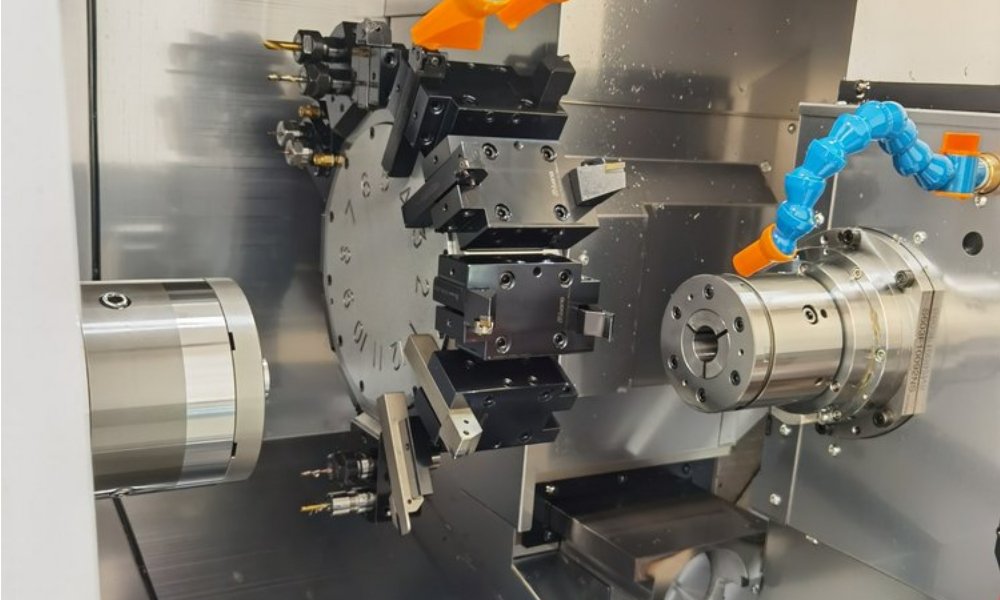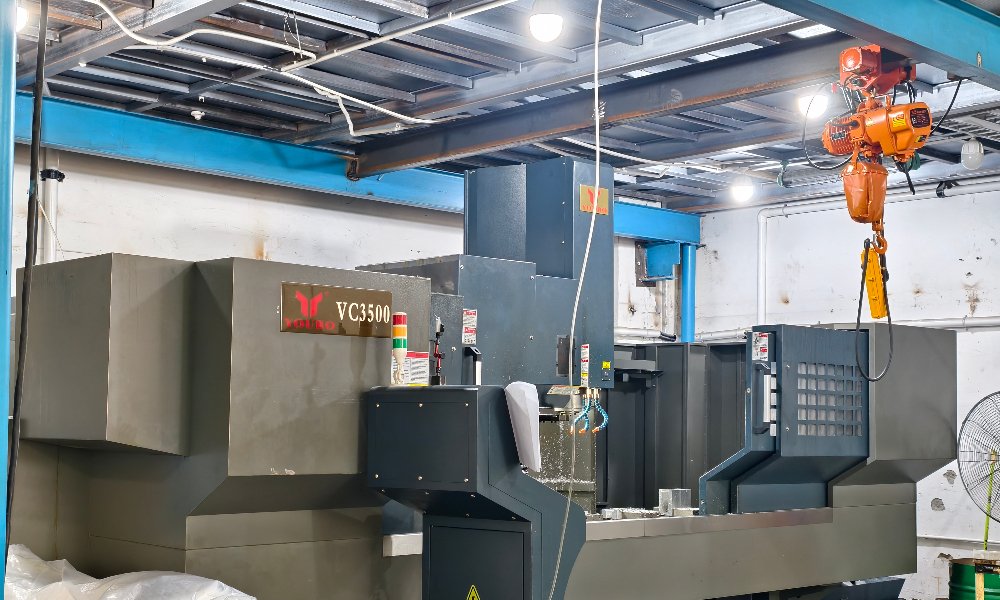
Robotics CNC machining gives builders parts that are light, stiff, and precise. Every joint, arm, and housing depends on those properties. Each gram and each micron counts in a moving machine. XAP Precision machines robot components in aluminum, titanium, and engineering plastics. We do it at an ISO 9001 certified shop in China. Moreover, we support fast prototypes and low-volume production under one roof. Sourcing robot parts overseas works well when the shop understands motion, mass, and precision. This guide explains which robot parts suit machining and which materials perform best. It also shows how robotics CNC machining supports every stage, from concept to fleet.
What Robotics CNC Machining Covers
Robots demand parts that carry loads while adding minimal mass. Therefore, machining dominates their structural components. Robot arms need stiff booms and precise joint interfaces. Brackets mount motors, sensors, and cable carriers. Housings enclose controllers, cameras, and battery packs. In addition, wrist assemblies require accurate bearing bores. Grippers and end effectors need fingers that grip without flexing. Sensor mounts also need precise alignment to keep perception accurate.
Each of these parts suits CNC machining naturally. Metals provide stiffness where loads concentrate. Meanwhile, engineered plastics cut weight on moving links. Tight bore tolerances keep bearings seated correctly. Moreover, robotics CNC machining handles metal and plastic parts in a single order. Small batches also suit research labs that build one platform at a time. From one-off research platforms to small fleets, the process scales with your program.
Mobile robots add their own list. Chassis plates, sensor masts, and bumper structures all need flat, accurate surfaces. Autonomous platforms carry payloads, so stiffness prevents flex under load. Humanoid platforms multiply these needs across dozens of joints. Warehouse robots need rugged mounts that survive constant vibration. Each application pushes machining deeper into the robot’s bill of materials.
Materials That Keep Robots Light and Strong
Choosing materials for robotics CNC machining means balancing weight, stiffness, and cost. Aluminum 6061 is the workhorse for arms and mounting plates. It machines fast, stays light, and anodizes in any color. Aluminum 7075 adds strength for stressed joints and load-bearing brackets. Titanium, in contrast, offers the best strength-to-weight ratio where space is tight. Stainless steel appears where corrosion resistance outweighs weight. POM serves bushings, gears, and low-friction joint interfaces. PEEK handles wear points near hot motors.
Our aluminum CNC machining page covers the alloys and finishes we stock. Material choice also affects inertia. Lighter arms accelerate faster and waste less energy. Consequently, mobile robots gain runtime from every gram saved. Send drawings early, and our robotics CNC machining team will advise on alloys before quoting.
Cost trade-offs deserve attention too. Aluminum keeps budgets friendly for most structures. Titanium costs more but shrinks part mass where it matters most. POM stays inexpensive and machines beautifully for joint hardware. We lay out these trade-offs in plain language during quoting. Our engineers will also flag alloys that are hard to source. The goal is the lightest part that still meets stiffness.
Why 5-Axis Machining Suits Robot Geometry
Robot parts rarely stay flat. Arms curve around joints, and housings blend into organic shapes. Multiple 3-axis setups would stack tolerances and add labor. However, a 5-axis machine completes complex geometry in one clamping. Robotics CNC machining meets that challenge with simultaneous multi-axis motion. Fixturing a complex part once also protects delicate finished faces. As a result, bearing bores stay concentric and mating faces stay flat. That accuracy shows up directly in robot repeatability.
5-axis work also shortens lead time. One setup replaces three, so parts move through the shop faster. In fact, complex robot joints often cost less on a 5-axis machine despite higher hourly rates. That is why robotics CNC machining so often lands on 5-axis equipment. See our 5-axis CNC machining page for the full capability set.
Design freedom matters beyond accuracy. 5-axis machining lets engineers place features at compound angles. That opens cleaner cable routing and stiffer rib patterns. In other words, the robot improves because the process allows it. Engineers stop fighting the process and start using it. Your CAD can stay organic without paying a penalty.
Surface Finishes for Robot Parts
Finishes serve function first on robots. Anodized arms resist scratches during daily use. Hard anodize adds surface hardness on joint faces. Meanwhile, bead blasting creates a uniform matte look for visible covers. Clear or dyed finishes help with part identification too. POM and PEEK parts typically run as machined. Specify the finish when you request a robotics CNC machining quote, since it changes the process sequence.
Color matters on customer-facing robots too. Anodizing supports any color, which helps brand identity. Service robots in hospitals or stores need consistent, clean-looking surfaces. A good robotics CNC machining partner asks about the use case before recommending finishes. We match finish to application during DFM, so appearance never surprises you at delivery.
Wear protection extends service life. Sliding joints benefit from hard coats or low-friction plastics. Outdoor robots need corrosion-resistant finishes. Tell us the operating environment, and we will match protection to it. Finishes also protect against cleaning chemicals in service environments. The result is a robot that looks new for longer.
Fast Prototyping for Iterative Robot Design
Robot design evolves through many revisions. Mounting holes move, arms grow longer, and grippers change shape. Therefore, you need a supplier who turns iterations around quickly. Speed is the point of robotics CNC machining during development. With no tooling to build, a revised arm can reach the machine within days. Some teams iterate a joint design weekly. Fast turns keep your development team moving. Our rapid prototyping and low-volume services exist for exactly this rhythm.
This approach de-risks hardware programs. Build a small batch, field-test it, then refine. Similarly, you can bridge into production without requalifying a new supplier. Each iteration then ships with full inspection data. Robotics CNC machining supports that loop from first prototype to final batch. Quality stays consistent too, because our ISO 9001 certification keeps every dimension traceable. Ultimately, your robot ships with parts that already survived real testing.
Iteration speed compounds. Teams that test weekly learn faster than teams waiting on tooling. Moreover, machined prototypes behave like production parts. Your validation data therefore predicts real performance. Slow validation, by contrast, hides problems until late.
Where Machining Beats Other Processes
Robot quantities rarely justify tooling. Casting and stamping need expensive molds that only pay off at high volume. CNC machining, however, asks only for a CAD file. Therefore, it wins for prototypes, pilot builds, and small fleets. Design changes cost nothing but machining time. That economics suits robotics perfectly. As a result, robotics CNC machining stays economical from the first part to the five-hundredth.
Machining also consolidates parts. One billet can become an assembly that would otherwise need weldments and fasteners. Fewer parts mean lighter robots and simpler assembly. In addition, machined surfaces seal better than cast ones. That helps sealed housings pass environmental tests. Fewer drawings, fewer purchase orders, and fewer quality questions follow. Consolidation also reduces sourcing effort across vendors.
Frequently Asked Questions About Robotics CNC Machining
Which material is best for CNC machined robot parts?
6061 and 7075 aluminum cover most arms and brackets with a strong weight balance. Titanium serves high-load joints, and POM handles low-friction bushings.
Why does robotics CNC machining favor 5-axis machines?
Robot geometry carries compound angles and tight feature relationships. 5-axis machining completes these in one setup, so accuracy and lead time both improve.
Can a machine shop iterate robot designs quickly?
Yes. Without tooling, each design revision ships as a fresh CNC program. Therefore, teams can test and refine designs in short cycles before freezing production.
Get Your Free Robotics CNC Machining Quote
Send us your robot CAD files. Our engineers will reply with free DFM feedback and a clear quotation. There is no obligation, and your files stay confidential. Upload your models through our contact page today. Our engineers review robot projects every week. They spot fixturing issues and suggest lighter alternatives before you spend anything. XAP Precision is ready to help your next robot move. Start with one part, and judge us on it.