Stainless steel CNC machining produces strong, corrosion-resistant parts for demanding industries. However, this alloy family behaves differently than aluminum or brass under the cutter. Work hardening, heat buildup, and tough chips all test a shop’s process. This guide covers what buyers and engineers should know before ordering parts. Specifically, you will learn the common grades, the main machining challenges, surface finish options, and typical applications. It also explains how experienced shops control the cutting process. As a result, you can pick the right grade and avoid costly mistakes.
Why Stainless Steel CNC Machining Is So Popular
Stainless steel earns its place in critical products for three core reasons. First, corrosion resistance. A chromium-rich oxide layer protects parts from rust, chemicals, and moisture. Second, strength. Most grades hold up well under load, impact, and high temperatures. Third, hygiene. The non-porous surface cleans easily, which matters in food and medical use. These parts also handle autoclaves and caustic washdowns without degrading.
Moreover, machined stainless parts look good as delivered. A milled face can ship with a clean, professional appearance. In addition, many grades weld well, so parts fit into larger assemblies. Stainless also keeps its strength across a wide temperature range. That is why stainless steel CNC machining serves industries from marine hardware to surgical instruments.
Finally, stainless is widely available and recyclable. Standard bar and plate stock keeps lead times short, and scrap holds real value. That availability makes stainless steel CNC machining practical even for low-volume runs.
Common Stainless Steel Grades for CNC Machining
Grade selection drives cost, performance, and machinability. The right grade makes stainless steel CNC machining cheaper and more predictable. Here are the four grades we quote most often at XAP Precision.
303: The Free-Machining Choice
Type 303 adds sulfur to improve chip breaking and tool life. As a result, it machines faster than other 300-series grades. It suits shafts, fittings, gears, and fasteners. However, sulfur lowers corrosion resistance and rules out welding. Choose 303 when machinability beats weldability, especially in high-volume stainless steel CNC machining runs.
304: The Versatile Workhorse
Type 304 balances corrosion resistance, formability, and price. In fact, no other stainless alloy sees more use worldwide. It suits food equipment, frames, brackets, and general hardware. However, 304 work hardens fast, so it demands sharp tooling and steady feed rates.
316 and 316L: Maximum Corrosion Resistance
Type 316 adds molybdenum, which resists chlorides and salt water. Therefore, it is the standard choice for marine, chemical, and medical exposure. It also resists acidic foods and aggressive cleaning agents. In fact, 316L keeps carbon low, which protects weld zones from corrosion. The trade-off is machinability, since 316 cuts tougher than 303 or 304.
17-4PH: High Strength on Demand
Grade 17-4PH is a precipitation-hardening stainless steel. After heat treatment, it reaches high strength while resisting corrosion. Consequently, it serves pump shafts, valve trim, and aerospace hardware. It machines well in the annealed state, then reaches full hardness during aging.
Price gaps between grades shift with the nickel market, but machining time often matters more. A 303 part often finishes in far less cycle time than the same part in 316. Therefore, cheaper bar stock can still produce a cheaper part. When in doubt, send both grades with your RFQ and compare the quotes.
Grade chemistry follows published standards. For example, ASTM A276 defines the requirements for stainless steel bars and shapes across industry.
Key Challenges in Stainless Steel CNC Machining
Stainless rewards shops that respect its quirks. The three big challenges are work hardening, heat, and chip control.
Work hardening
When a tool rubs instead of cuts, the surface hardens on contact. The next pass then hits a tougher skin, which speeds up tool wear. To prevent this, machinists use sharp inserts and firm chip loads. They also avoid dwelling in one spot, since rubbing is the trigger.
Heat buildup
Stainless conducts heat poorly, so heat concentrates at the cutting edge. Notably, that shortens tool life and can distort thin features. High-pressure coolant and correct cutting speeds carry heat away in the chip. Meanwhile, programmers plan toolpaths that skip repeated passes over the same area.
Chip control
Stringy chips can wrap around tools and scratch finished surfaces. Therefore, shops rely on chipbreakers, peck drilling, and strong coolant flow to clear the cut. In addition, they match the tool coating to the exact grade on the machine. Good chip evacuation also protects the part and the equipment.
Machine rigidity matters too. Stainless responds best to firm setups, short tool overhangs, and sharp carbide tools. Similarly, at XAP Precision we slow the spindle down when a feature traps heat. Deep holes and narrow slots are classic examples.
Design choices also affect machinability. Generous fillets, standard hole sizes, and open tolerances all cut cycle time. Conversely, tight tolerances on every dimension drive cost up fast. Hold precision only where the part’s function demands it.
These steps sound simple, yet they separate a good batch from scrap. That is why process discipline defines success in stainless steel CNC machining.
Surface Finish Options for Stainless Parts
As-machined stainless already looks clean, but finishes add function and style. A brushed or mirror polish improves hygiene and appearance. Bead blasting gives a uniform matte texture. Passivation, meanwhile, strengthens the natural oxide layer for extra corrosion resistance. Electropolishing brightens the surface and deburrs small edges in one step. The right finish completes any stainless steel CNC machining job.
Finish choice also shapes total part cost. Our guide to CNC machining surface finishing options walks through the full menu. We will also recommend finishes during DFM review, based on your part’s function and budget.
Typical Applications of Machined Stainless Parts
Because it combines strength, cleanliness, and corrosion resistance, stainless steel CNC machining shows up across industry. Common examples include:
- Food processing: valves, mixer parts, and fittings that survive daily washdowns.
- Medical devices: instrument bodies, implants, and sterilization trays.
- Marine hardware: cleats, fittings, and fasteners that face constant salt spray.
- Automotive: exhaust components, sensor housings, and fluid system fittings.
- Aerospace: brackets and fittings where strength and corrosion matter equally.
For any of these uses, grade and finish must match the environment. Our steel CNC machining service covers 303, 304, 316, and 17-4PH, plus alloy steels for less corrosive roles.
Food and medical buyers often ask about surface roughness. In addition, a smoother finish resists bacteria and cleans faster, so specify Ra values where hygiene matters. Polished or electropolished surfaces serve this role well.
In other words, specify the alloy around the part’s real working conditions. If salt water or chemicals are present, lean toward 316. Where speed and low cost lead, 303 often wins.
Frequently Asked Questions About Stainless Steel CNC Machining
Which stainless steel is easiest to CNC machine?
Grade 303 is the most machinable austenitic grade, because added sulfur improves chip breaking. However, it resists corrosion less than 304, so avoid it in marine or medical roles.
Should I choose 304 or 316 for CNC machined parts?
Grade 304 covers most general and food-grade environments. Grade 316 adds molybdenum, so it withstands chlorides and salt water. Choose 316 for marine, chemical, or implant-adjacent parts.
Why is stainless steel harder to machine than aluminum?
Stainless work-hardens under the tool and conducts heat poorly. Consequently, the cutting edge sees high temperatures and built-up edge. Sharp tooling, lower speeds, and strong coolant solve most of these problems.
Start Your Stainless Steel CNC Machining Project
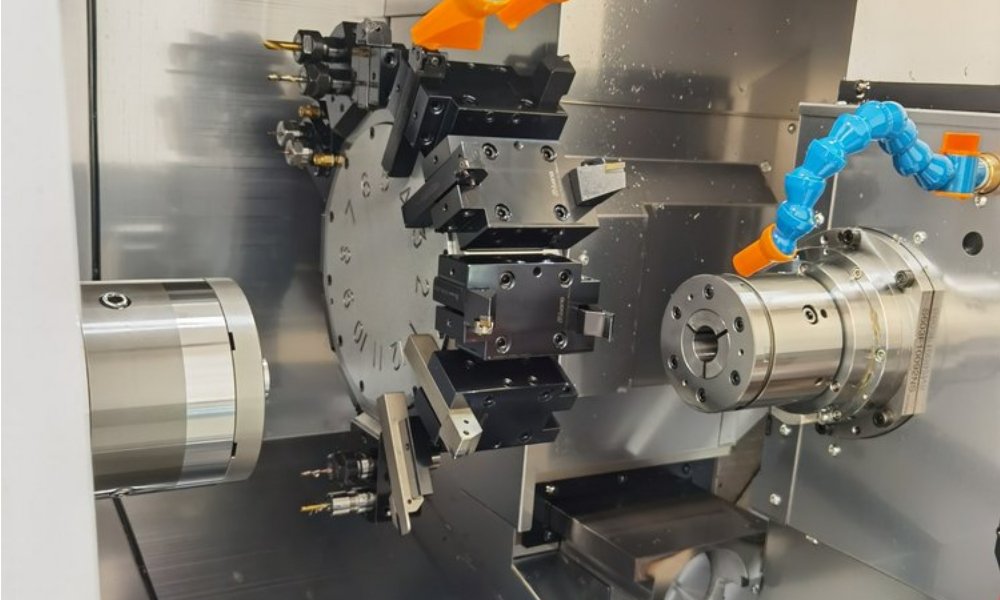
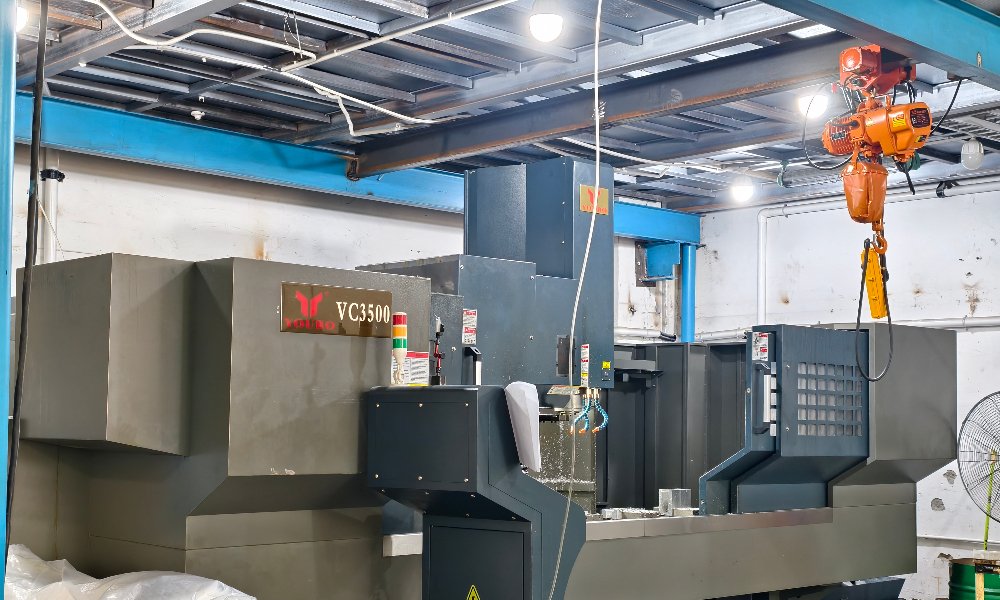
XAP Precision machines stainless parts on 3, 4, and 5-axis mills plus CNC lathes. An ISO 9001 quality system backs every order, and we inspect each batch before shipping. We quote fast and flag machining risks early, so there are no surprises later. From a single prototype to repeat production, the same team manages your order. Ultimately, if you need stainless steel CNC machining with quick turnaround and honest advice, send us your drawings. Use our contact page to request a free quote and free DFM feedback.
ISO 9001 is the baseline, because it proves documented processes and traceability. Industry-specific standards like ISO 13485 or AS9100 matter for medical and aerospace work.
Order a sample batch first. Then check the dimensions with your own gauges, review the inspection reports, and judge communication speed. A reliable supplier welcomes all of these checks.
Send 2D drawings plus a STEP or IGES file. Specify material, quantity, tolerances, surface finishes, and your deadline. Complete information brings a faster and more accurate quote.