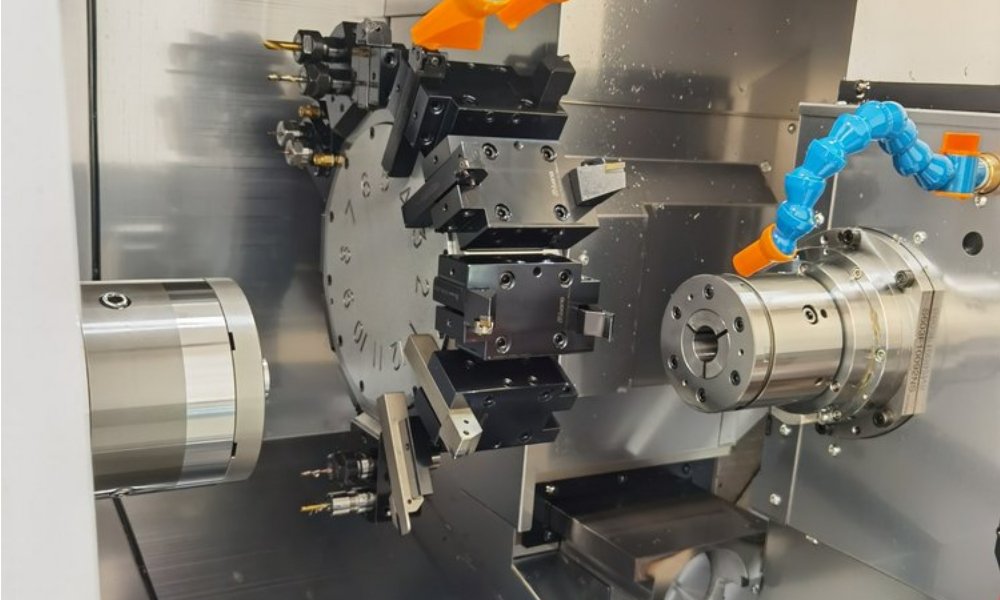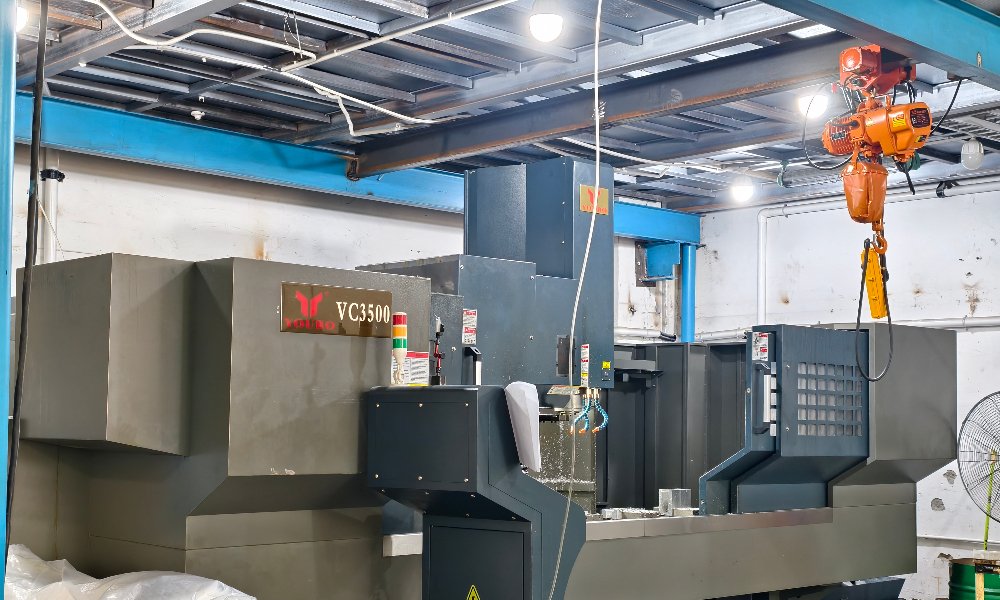
Telecom hardware must hold precise dimensions to control signal paths, shed heat reliably, and seal against weather for years on a tower or rooftop. XAP Precision provides CNC machining telecom expertise for equipment makers building radios, filters, small cells, and network infrastructure. Our shops machine antenna housings, RF cavities, connector bodies, heat sinks, and mounting brackets in aluminum and brass to tight tolerances. The growing build-out of 5G raises demand for parts that combine electrical performance, thermal control, and environmental sealing in compact packages. This overview shows how our CNC machining telecom programs help OEMs ship dependable hardware at the volumes and schedules modern network rollouts require.
Why CNC Machining Telecom Hardware Matters
As networks densify, each site packs more radios, filters, and antennas into smaller enclosures. Every one of them relies on precisely machined features that keep assemblies aligned and stable. Poor flatness, uneven standoffs, or out-of-tolerance bores cause gaps, rework, and field failures. XAP applies CNC machining telecom practices that start with function. We check how a housing seats a gasket, how a cavity tunes to frequency, and how a heat path reaches the ambient air before we set a process. This discipline matters because telecom production often shifts quickly between revisions. We keep programs and fixtures stored so version changes move fast without new tooling cost, helping hardware teams respond to network requirements. We also design for assembly, since technicians install and service these units at height and in poor weather. Machined chamfers, positive locating features, and consistent torque seats reduce dropped hardware and cross-threaded fasteners. Those details lower labor time per site and improve first-pass installation, which matters when a deployment touches thousands of locations.
Antenna Housings and RF Components
Antenna housings protect radios from wind, rain, salt, and ultraviolet light while holding internal elements in position. We machine them from aluminum for a balance of strength, weight, and thermal behavior, adding machined sealing surfaces and drainage features. Internal RF cavities and filter structures demand controlled wall thickness and stable dimensions because geometry influences electrical performance, so we hold tight tolerances on these sensitive features. For input and output interfaces, our CNC machining telecom work pairs naturally with CNC machined connectors that maintain accurate impedance and mating alignment. Optical modules on fronthaul links can also use our optical mount machining so lenses and fibers sit squarely. Each detail protects both the signal and the hardware that carries it. We can integrate mounting for machined brackets and standoff bosses in the same setup, so the housing and its hardware share a single datum and line up without shimming. Threaded features are formed or tapped to hold repeated removal during maintenance. Where weight drives rigging cost, we remove material from non-critical walls while keeping the stiffness the mast load requires.
Thermal Management for 5G Electronics
5G radios dissipate more power in denser packages, which makes heat removal a defining challenge. A machined heat path moves energy from sensitive electronics to the enclosure surface or external air. Our CNC machined heat sinks deliver straight, well-bonded fins and flat contact faces that keep thermal interface materials compressed and effective. For power-dense modules, we machine housings that integrate fins directly into walls to shorten the heat path. Aluminum alloys such as 6061 offer good conductivity and machinability, and we can add finishes that support corrosion resistance at exposed sites. Predictable thermal performance extends component life and protects network uptime across seasonal temperature swings at every installation. For cold-plate style paths, we drill and plug internal channels, then pressure-test them so coolant stays where it belongs. Flat, smooth contact faces keep interface materials thin and effective, which is vital when a single air gap can raise junction temperature. Consistent thermal geometry across a batch means the same cooling headroom on every unit installed in the rack.
Materials, EMI, and Enclosure Integrity
Electromagnetic interference is a constant concern when radios sit close together, and a metal enclosure acts as a shield only if its surfaces and seams are machined accurately. We control flatness and finish so gaskets and EMI fingers compress evenly around an opening. Our CNC machined enclosures are built to maintain that shield continuity while still allowing service access. For boards and modules at the heart of telecom systems, our work relates to semiconductor CNC machining needs such as carriers and fixtures. Brass is a frequent choice for connector bodies because it machines cleanly, conducts well, and accepts plating, while aluminum suits structural and thermal parts.
Tolerances, Finishes, and Quality Control
Telecom parts live outdoors, so material and finish determine service life. We machine aluminum 6061 and 6063 for housings and heat sinks and use brass for connector bodies and contacts that need conductivity. Anodizing, conversion coatings, and selective plating protect surfaces and, when controlled, preserve electrical contact areas. Quality is verified with coordinate measuring equipment and documented so you can trace what shipped against your specification. Consistent inspection supports the tight build tolerances that stacked assemblies require, especially where a CNC machining telecom program feeds high-value electronics. Clear notes on finishes, torque features, and packaging prevent assembly surprises during a fast rollout. For connector and cavity features that tune performance, we measure closely and log results so you can review capability over time. Environmental finishes are checked for coverage on sealing and contact areas only where intended, protecting function without masking required bare metal. This attention to detail keeps high-value electronics safe through transport, installation, and years of outdoor exposure.
Production Flexibility for Network Demand
Network deployments move in waves, and hardware demand rarely stays flat for long. A supplier must scale from early prototype builds up to production volumes without re-proving the process each time. Because our CNC machining telecom workflow stores programs and fixtures digitally, new orders reuse existing setups instead of paying to requalify parts from scratch. That continuity protects schedule and quality as volumes rise. We support low-volume specialty builds as well as repeat production on planned pulls, so equipment makers can keep pipeline aligned with installation calendars. We can also ramp capacity by running the same proven program across multiple identical machines, which adds throughput without changing part geometry. Because we control the whole path from stock to inspection to packing, orders are not delayed waiting on outside processors. That end-to-end control is what keeps a network rollout predictable when a site schedule compresses.
Which materials do you machine for telecom components?
We work with aluminum 6061 and 6063 for housings and heat sinks, brass for connector bodies and contacts, and stainless steel where strength and corrosion resistance are critical. The right choice depends on thermal load, exposure, and electrical requirements of your design and site.
How do you manage EMI and sealing on machined enclosures?
We control flatness, surface finish, and gap tolerances so gaskets and EMI fingers compress evenly around each opening. That maintains a continuous conductive shield while still allowing doors and modules to be serviced, protecting signal integrity in dense radio packages.
Can you handle both prototype and production telecom orders?
Yes. We store programs and fixtures, so prototype and production builds share the same setup and dimensions. This continuity supports fast revisions and reliable repeat orders as your rollout moves from trials to sustained volumes across regions.