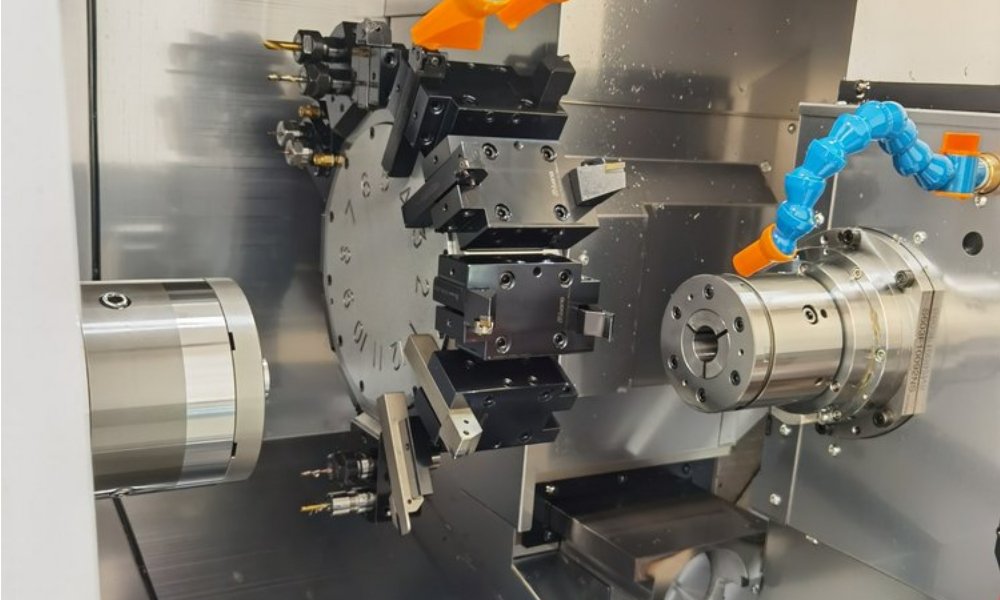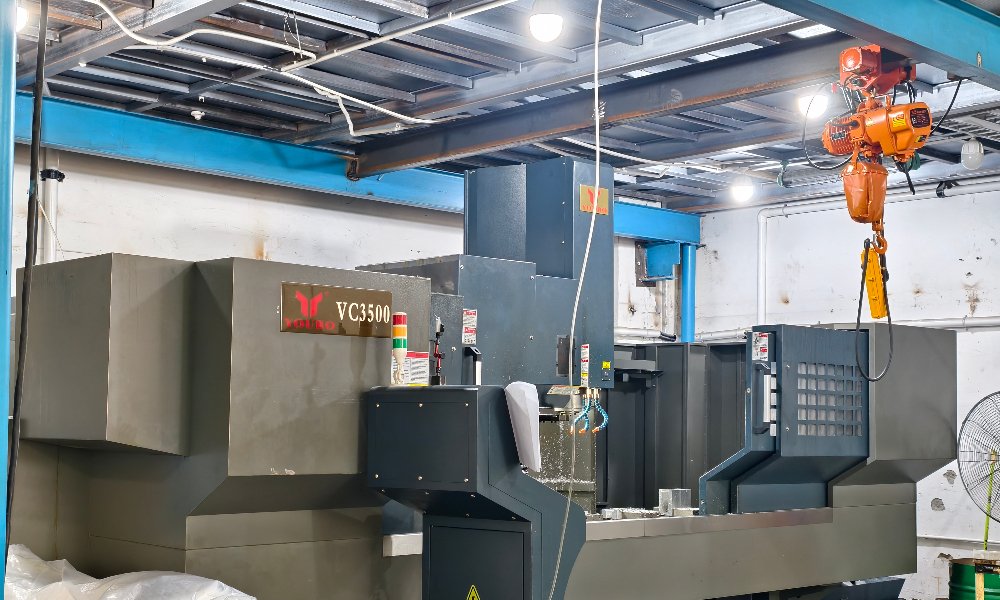
Processing equipment gets cleaned constantly, and every part that touches product has to survive it. Food grade CNC machining produces the nozzles, mixer components, guides, and sensor bodies that meet hygienic standards. The right materials combine with crevice-free geometry and smooth, cleanable surfaces. That combination is what keeps parts safe through thousands of washdowns.
This guide explains what food grade CNC machining demands and which materials qualify. It also covers the finish levels to specify and the records auditors will ask for.
What Food Grade CNC Machining Has to Deliver
Hygienic geometry is the heart of food grade CNC machining. Parts need no crevices, cracks, or pockets where product or bacteria can collect. Radii at every internal corner and open, accessible faces become requirements rather than nice-to-haves. A cleanable part is simply one a spray or brush can reach everywhere.
Threads and fasteners deserve special care. Exposed threads trap residue, so hygienic designs recess them, seal them, or avoid them on contact faces entirely. Where joints are unavoidable, they open flat for cleaning instead of hiding gaps.
Corners and transitions matter more than they look. Sharp internal angles hold residue and resist rinsing, while generous radii let cleaning fluids sweep through. Specify the minimum radius on the drawing so inspection can verify it.
Finally, the part must survive the washdown itself. Hot water, caustic detergents, and sanitizers attack weak materials and thin finishes. Every choice has to clear both hygiene and chemical resistance as a result.
Product zones shape the rules. High-care areas demand stricter geometry and finishes than raw-handling zones, so map the zones before drawing the part.
Dead spots hide in plain sight. A blind tapped hole behind a seal collects fluid and grows bacteria between cleanings. Radii deserve a standard callout too, since a generous minimum radius cleans well and covers most tooling.
Materials for Food-Contact Parts
316L stainless is the standard for food grade CNC machining. It resists food acids and cleaning chemistry, takes a fine polish, and holds up over years of washdowns. Most product-contact surfaces in a processing line are 316L for exactly those reasons. See our stainless steel CNC machining examples for the kind of parts this covers.
Food-safe plastics fill supporting roles. PTFE offers unmatched non-stick, chemically inert surfaces for seals and slide parts. Our guide to PTFE CNC machining covers how it cuts. POM adds stiffness and low friction for guides and gears. PEEK steps in where heat and strength matter, such as parts near ovens or sterilization cycles.
Whichever material leads, verify suitability for your specific contact conditions. Temperature, fat content, and cleaning chemistry all influence the right grade, so share those details at quote time. Detergents vary widely between plants, and the wrong alloy shows it within months.
Surface Finish: Low Ra on Contact Faces
Surface roughness decides how well a part cleans. Lower Ra values in food grade CNC machining leave less area for residue and biofilm to grip. Product-contact faces commonly specify Ra 0.8 or better as a result, with tighter values where product sticks. Polished finishes also shed water faster, cutting drying time between cleanings.
Specify finish by zone instead of blanket requirements. Contact faces earn the fine finish, while external and structural faces can run standard machining. That approach keeps cost in line with need. Call the values out on the drawing so inspection can verify them point by point.
Passivation on stainless after machining restores the corrosion-resistant surface that cutting disturbs. Parts stay cleanable for their whole service life that way. Finish choice and material choice belong in the same conversation, since one protects the other.
Inspection closes the loop. Ra testers verify contact faces before shipping, and the numbers go into the lot record.
Documentation for Audits and Change Control
Food processors face audits, so food grade CNC machining partners must keep clean records. Material certificates, dimensional reports, and lot traceability let a plant prove what each part is made of. They also show when each part was verified. Under ISO 9001, XAP Precision produces those records as part of the process rather than as a favor.
Change control matters too. When a part design changes, revision levels keep new and old versions distinct. No wrong-revision part ever reaches the line that way. Ask suppliers how they manage revisions before placing first orders, not after a mix-up.
Supplier audits happen too. Expect questions about calibration, material storage, and change control, so choose a shop that welcomes them.
If you are qualifying a supplier for hygienic components right now, send your drawings for free DFM feedback and a quote. Compare the documentation each shop offers before deciding.
Typical Food-Grade Machined Parts
Filling nozzles show food grade CNC machining at its most demanding. They need accurate bores, smooth product channels, and cleanable exteriors in one small part. Mixer components like shafts, paddles, and seals need strength plus polish, since they run continuously against abrasive products.
Guides and rails that position product or packaging run in plastic or stainless, depending on load and wash chemistry. Sensor bodies must seal against washdown while holding sensor alignment. Groove geometry and flat sealing faces become the critical callouts on those parts.
Valve and pump internals belong on the list too. Rotors, seats, and covers see constant product contact, so they follow the same crevice-free rules as everything downstream.
Change parts for packaging lines round out the workload. Format switches need quick swaps, so guides and rails carry tool-free adjustments. Small batches are common here, since change parts get revised often and machining keeps every revision affordable.
Each of these rewards early DFM, because the hygienic rules shape geometry before any cutting starts. Catching a crevice on the model costs nothing. Finding one in finished steel costs plenty.
Frequently Asked Questions About Food Grade CNC Machining
Which material is best for food-contact parts?
For food grade CNC machining, 316L stainless is the default for contact surfaces, thanks to corrosion resistance and polishability. PTFE serves seals and non-stick slides, POM covers guides and gears, and PEEK handles heat. We will match the grade to your conditions.
What surface finish do contact faces need?
Most product-contact faces call for Ra 0.8 or finer, with tighter values where product tends to build up. Specify finishes by zone so non-contact faces keep standard machining. That approach controls hygiene and cost at the same time, without over-polishing faces that never touch product.
What records come with the parts?
Standard documentation includes material certificates and dimensional inspection reports, all tied to lot numbers under our ISO 9001 system. If your audit needs extra records, list them at quote time. We will build them into the inspection plan, and retention copies stay on file for years.
Start Your Food Grade CNC Machining Project
Hygienic geometry, compliant materials, and audit-ready records. Food grade CNC machining has to deliver all three. XAP Precision is an ISO 9001 certified manufacturer in China. We offer 3, 4, and 5-axis milling, turning, and prototyping in stainless steel, food-safe plastics, and more.
Send your drawings for free DFM feedback and a fast quote. Contact us today.