
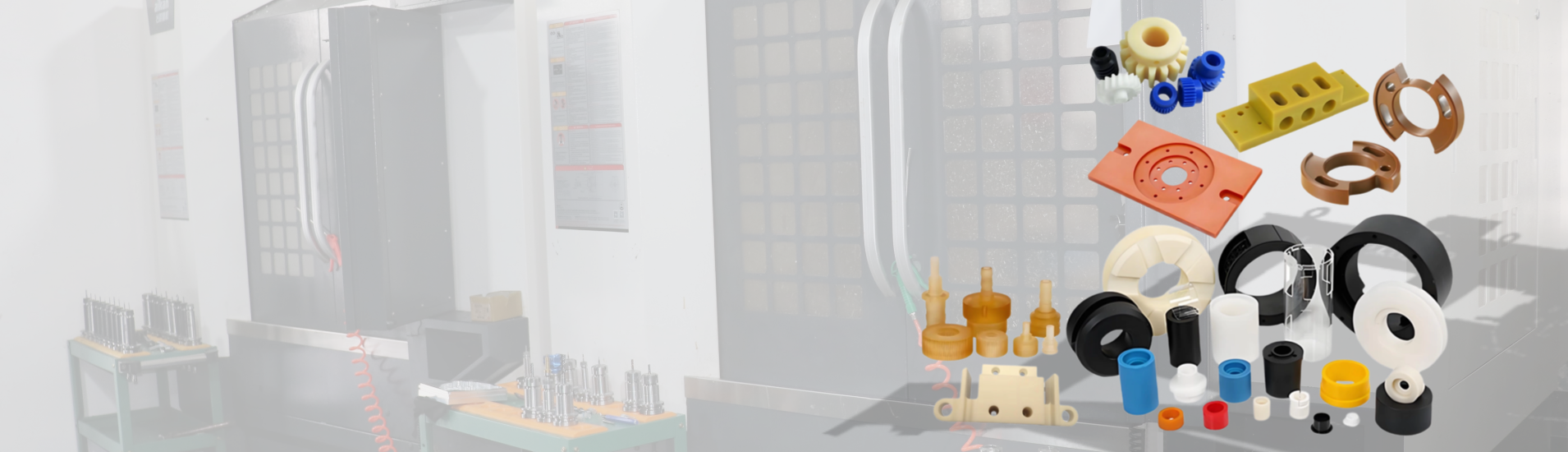
Processing Breadth and Precision Guarantee Based on the Full-Matrix Equipment Capability for CNC Plastic Machining
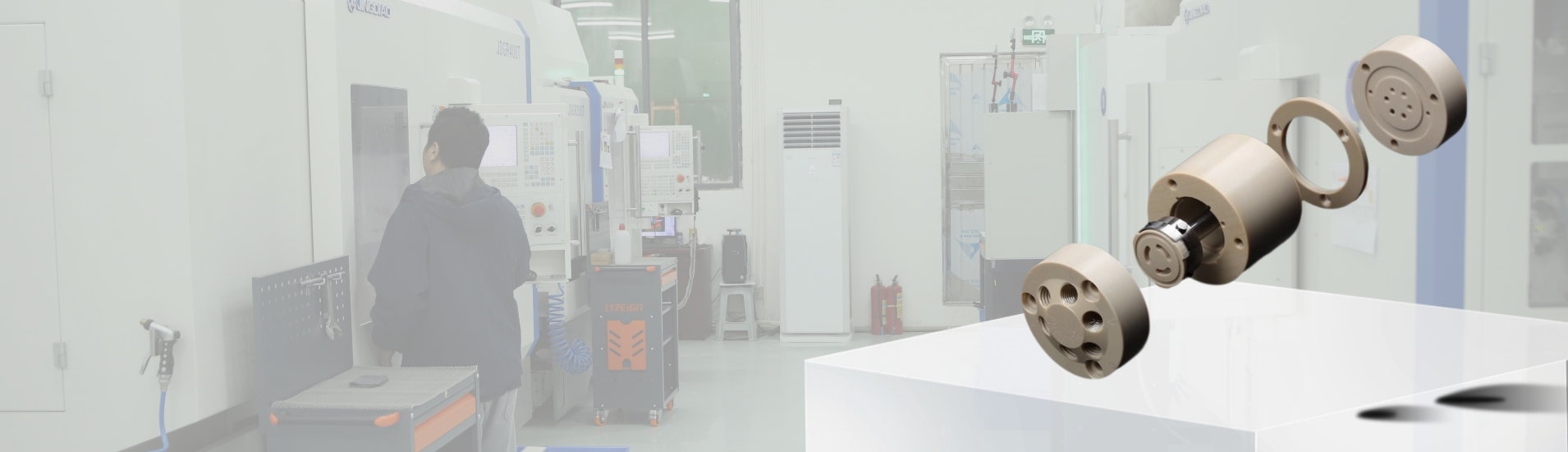
XAP Precision has built a comprehensive multi-dimensional machining center matrix in the field of CNC Plastic Machining, covering 3-axis, 4-axis, 3+2-axis, and 5-axis configurations, supported by professional CNC lathes and post-processing equipment. We not only have milling equipment such as the Haas 4SS, which can stably achieve high-precision machining of ±0.003mm, but also five-axis linkage centers like the “Daka Five-axis” DAKA-U300-S for integrated forming of complex curved surfaces. This equipment combination ensures that whether it involves face milling of special engineering plastics like PEEK and PTFE, or complex three-dimensional structural parts made of materials like nylon and POM, we can complete multi-angle, multi-feature precision machining in a single setup. This fundamentally avoids cumulative errors from multiple clampings, guaranteeing dimensional consistency and high precision (generally reaching ±0.005mm) for parts ranging from miniature connectors to large equipment housings (with a maximum machining range of 3500×400×450mm).
Comprehensive Process Control and Quality Assurance from Material to Finished Product in CNC Plastic Machining
XAP Precision’s competitive advantage extends beyond machining operations to encompass a complete value chain, from material preparation to final inspection. Our equipment portfolio includes a full suite of post-processing tools—from tool grinders and ultrasonic cleaners to barrel polishing machines—ensuring that every plastic component achieves optimal surface finish and cleanliness, effectively eliminating burrs and internal stresses.
Furthermore, we have established a robust quality inspection system equipped with profile projectors, Mitutoyo height gauges (accuracy: 0.002mm), coordinate measuring machines (Creaform, accuracy: 0.003mm), and a wide range of precision measuring instruments. This allows for 100% inspection or high-frequency sampling of critical dimensions and geometric tolerances for every PEEK medical device component or PTFE sealing part. Integrated with our ISO-certified quality management system, we ensure fully traceable and data-driven quality control from raw material intake to finished product delivery, providing our clients with unparalleled confidence in part consistency and reliability.
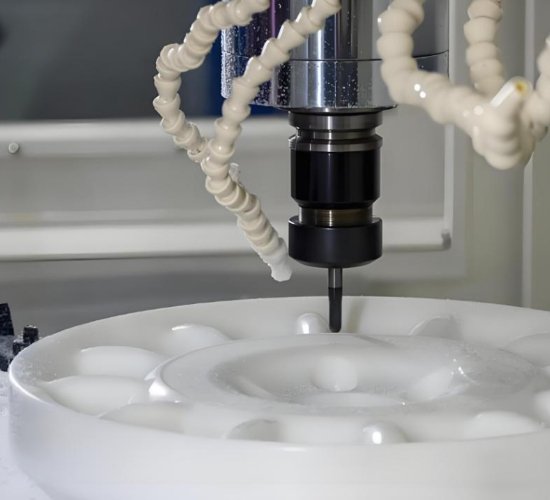
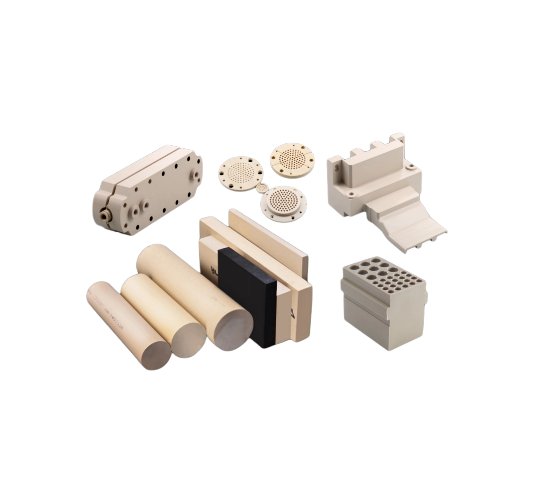
XAP Precision: Specialized Technologies and Expertise for Overcoming Challenges in CNC Plastic Machining
To address the widely recognized difficulties in machining challenging plastics such as PEEK and PTFE—including thermal sensitivity, deformation tendencies, and tool adhesion—XAP Precision’s equipment configuration and process library provide targeted solutions. Our high‑speed machining centers, paired with sharp cutting tools and precise low‑temperature cooling strategies, effectively manage cutting heat to prevent material softening and performance degradation. For extremely soft materials like PTFE, we leverage the flexibility of 5‑axis equipment to implement light‑cutting strategies with small depths of cut and high feed rates, combined with specialized fixturing solutions (such as vacuum adsorption) to minimize clamping‑induced deformation.
Years of hands‑on practice have allowed us to build a proprietary cutting‑parameter database tailored to various plastic grades. This enables us to predict and compensate for thermal expansion and elastic recovery, ensuring high dimensional accuracy and stable yield rates—critical in high‑standard applications such as medical implants and semiconductor fixtures. With CNC Plastic Machining as our core competency, we transform material challenges into reliable, precision‑engineered outcomes for the most demanding industries.
Flexible Manufacturing and Rapid Response Capabilities for Multi‑Industry Applications
XAP Precision leverages a flexible production layout comprising over 30 CNC machining centers and lathes to deliver comprehensive manufacturing solutions for CNC Plastic Machining—from single‑piece prototypes to small‑medium batch production. Our equipment configuration covers a diverse machining range (worktable dimensions from 600×400mm to 2200×1700mm) and precision grades (up to ±0.005mm), enabling us to provide customized plastic machining services for various industries including consumer electronics, automotive components, medical devices, and industrial equipment.
Whether delivering design‑verification prototypes within 3 days or meeting stringent consistency requirements for thousand‑piece orders, our multi‑equipment coordination and intelligent scheduling system ensure rapid order response and reliable fulfillment. This manufacturing flexibility not only significantly reduces product development cycles, but also helps customers continuously lower total costs through process optimization and volume procurement. Together, we deliver real CNC Plastic Machining value: high quality, fast response, and optimized cost.
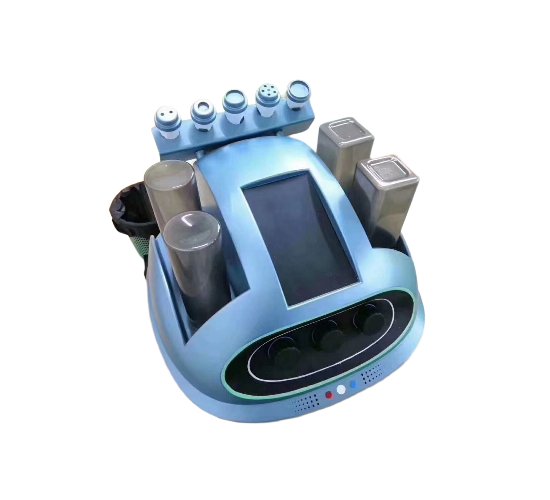
CNC Machining Plastic Parts
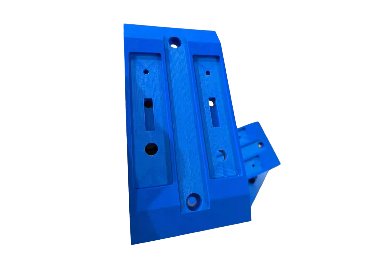
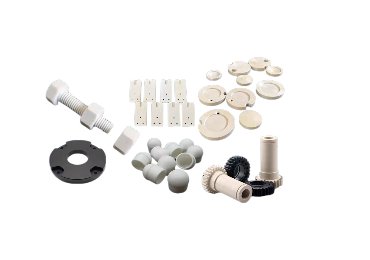
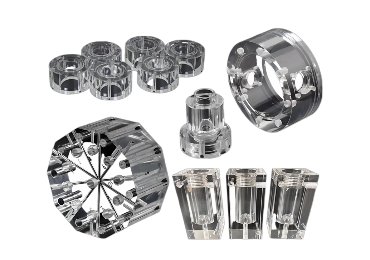
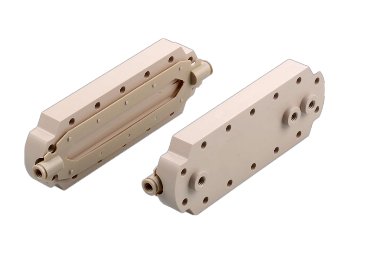
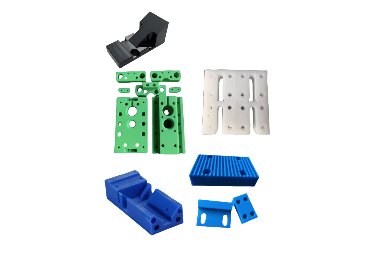
XAP Precision’s CNC plastic machining service offers full-process quality assurance from prototyping to batch production, supporting single-piece orders with 7-day rapid delivery. Our flexible small-batch production system accelerates product launches while ensuring precision through professional inspection systems such as CMMs (±0.002mm), laser scanners (0.01mm point spacing), surface profilers (Ra 0.01μm resolution), and cleanliness testing equipment.

CNC Plastic Machining Parts’ Material & Finishing
- CNC Plastic Machining Service Materials List
- Finishing Guide for CNC Machining Plastic Parts
| Material Type | Specific Material | Material Characteristics |
| General Purpose Plastics | ABS (Acrylonitrile Butadiene Styrene) | Good impact strength, easy to machine, surface can be painted or electroplated. Suitable for prototypes and enclosures. |
| Polypropylene (PP) | Lightweight, chemical resistant, and low cost. Used for containers and living hinges. | |
| Polystyrene (PS) | Transparent, rigid, and economical. Commonly used for displays and models. | |
| Engineering Plastics | Nylon (PA6, PA66) | High strength, wear resistant, and self-lubricating. Ideal for gears and bushings. |
| POM (Polyoxymethylene / Acetal) | Low friction, excellent dimensional stability. Used for precision parts and sliding components. | |
| Polycarbonate (PC) | High impact resistance, transparent, and heat resistant. Suitable for protective covers and optical parts. | |
| High-Performance Plastics | PEEK (Polyetheretherketone) | High temperature and chemical resistance, excellent mechanical properties. Used in aerospace, medical, and semiconductor industries. |
| PTFE (Polytetrafluoroethylene / Teflon) | Extremely low friction, chemically inert, and excellent dielectric properties. Ideal for seals and insulators. | |
| PPS (Polyphenylene Sulfide) | High thermal and chemical stability, inherently flame retardant. Suitable for electrical and automotive applications. | |
| Transparent / Optical Plastics | Acrylic (PMMA) | Excellent clarity (over 92% light transmission), good weatherability. Used for lenses, signs, and displays. |
| Polycarbonate (PC) – Optical Grade | High impact resistance with good optical clarity. Suitable for safety glasses and optical covers. | |
| SAN (Styrene Acrylonitrile) | Good clarity and rigidity, more scratch resistant than PS. Used for household items and transparent casings. | |
| Specialty / Composite Plastics | Glass‑Filled Nylon | Enhanced stiffness, strength, and dimensional stability compared to standard nylon. |
| Carbon‑Fiber Reinforced PEEK | Superior strength-to-weight ratio, high fatigue resistance. For demanding structural applications. | |
| Conductive / Static‑Dissipative Plastics | Provides controlled surface resistivity to prevent electrostatic discharge (ESD). Used in electronics handling. | |
| Medical‑Grade Plastics | Medical‑Grade PEEK | Biocompatible, sterilizable (autoclave, gamma, EtO), high performance. For surgical instruments and implants. |
| Medical‑Grade Polycarbonate | Clarity, sterilizability, and impact resistance. Used in medical device housings and fluid reservoirs. | |
| USP Class VI Silicone | Soft, biocompatible, and high purity. Suitable for seals, gaskets, and tissue-contacting components. |
| Process Category | Specific Processes | Key Characteristics |
| Mechanical Treatment | Polishing | Smooth surface, mirror‑like finish |
| Sand Blasting | Uniform matte texture, improved adhesion | |
| Brushing | Consistent linear grain, scratch resistance | |
| Buffing | High‑gloss finish, deburring capability | |
| Chemical Treatment | Anodizing | Enhanced corrosion/weather resistance |
| Electroplating | Metallic coating, improved conductivity | |
| Surface Etching | Precise pattern creation, anti‑slip properties | |
| Coating Processes | UV Coating | Hard protective layer, scratch resistance |
| Overmolding | Soft‑touch surface, impact absorption | |
| Hot Stamping | Metallic foil transfer, decorative effect | |
| Heat Transfer Printing | Complex pattern application, durability |
Send Inquiry
XAP Precision Advantages of CNC Plastic Machining Technology
Technical Specifications
| Technical Specifications | Capability Level | Multi-Axis Machining Capability |
|---|---|---|
| Dimensional Accuracy | ±0.05mm | 5-axis Simultaneous Machining: Complex curved surfaces formed in one operation |
| Minimum Feature Size | 0.1mm | 3+2 Axis Positioning: Multi-angle feature machining |
| Standard Surface Roughness | Ra 3.6µm | Turn-Milling Compound: Integrated manufacturing of rotary parts |
| Thin-Wall Forming | 0.3mm thickness | / |






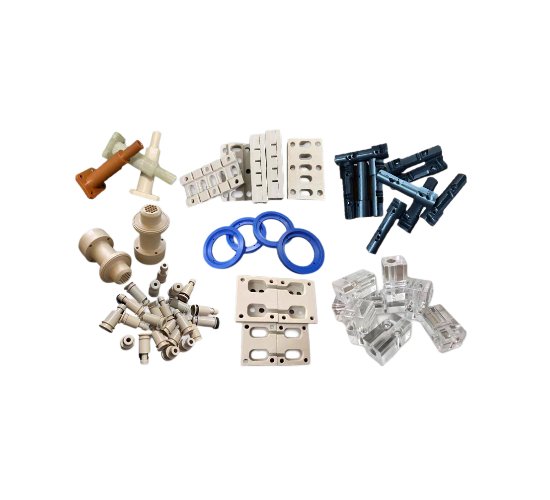
XAP Precision Plastic CNC Machining is built on core strengths in material expertise, precision machining, and industry-specific solutions. Through three technical pillars—thermal deformation control, micro‑machining, and quality assurance—we provide high‑performance plastic part processing services to the medical, electronics, automotive, and other industries. We have established technical barriers in specialty plastic processing, micro‑structure forming, and surface quality control.
Validation Data:
- Cumulative plastic parts delivered: 2 million+ pieces
- Dimensional pass rate: 99.5%
- Surface quality pass rate: 99.2%
- Customer satisfaction: 98.8%
Decision‑Making Reference for Choosing Us:
✅ Requires machining of special engineering plastics such as PEEK and PTFE
✅ Demands thin‑wall (<0.5mm) or micro‑structures (<0.1mm)
✅ Pursues high surface quality (Ra <0.4μm)
✅ Requires medical‑grade or food‑grade certification
✅ Emphasizes protection of material properties during processing
✅ Seeks optimal overall cost rather than the lowest quote alone
A: Employ a three‑stage temperature control strategy:
- Tool optimization: Diamond‑coated tools + sharp cutting edges (rake angle >10°)
- Cooling adaptation: Low‑temperature air cooling for PEEK, minimal lubrication for ABS, alcohol cooling for PC
- Parameter control: High spindle speed (8000–15000 rpm) + shallow depth of cut (≤0.1 mm)
A: Implement a four‑step anti‑deformation process:
- Structural design: Add stiffening ribs (40–60% of wall thickness)
- Machining strategy: Symmetrical alternating cutting + layered machining (each layer 0.05 mm)
- Special fixturing: Low‑melting‑point alloy support filling
- Stabilization treatment: Constant‑temperature aging at 65–80°C for 2–4 hours
A: Professional process combination:
- Tooling: PCD tools (tool life increased 5–8 times)
- Parameters: Climb milling + high feed rate (≥0.15 mm/tooth)
- Dust extraction: 0.15 MPa high‑pressure vacuum suction
- Speed: Recommended 180 m/min for glass‑fiber reinforced nylon
A: Three‑stage polishing process:
- Mechanical polishing: Diamond polishing paste (grade W3)
- Chemical polishing: Ethanol + ethylene glycol mixture
- Flame polishing: Oxy‑hydrogen flame (280–320°C)
- Clean environment: Class 1000 cleanroom
A: Co‑machining solution for dissimilar materials:
- Machining sequence: Metal first, then plastic
- Temperature control: Interface temperature difference <3°C
- Tooling: Progressive cutting with variable‑diameter tools
- Compensation: Laser scanning + thermal expansion coefficient difference compensation