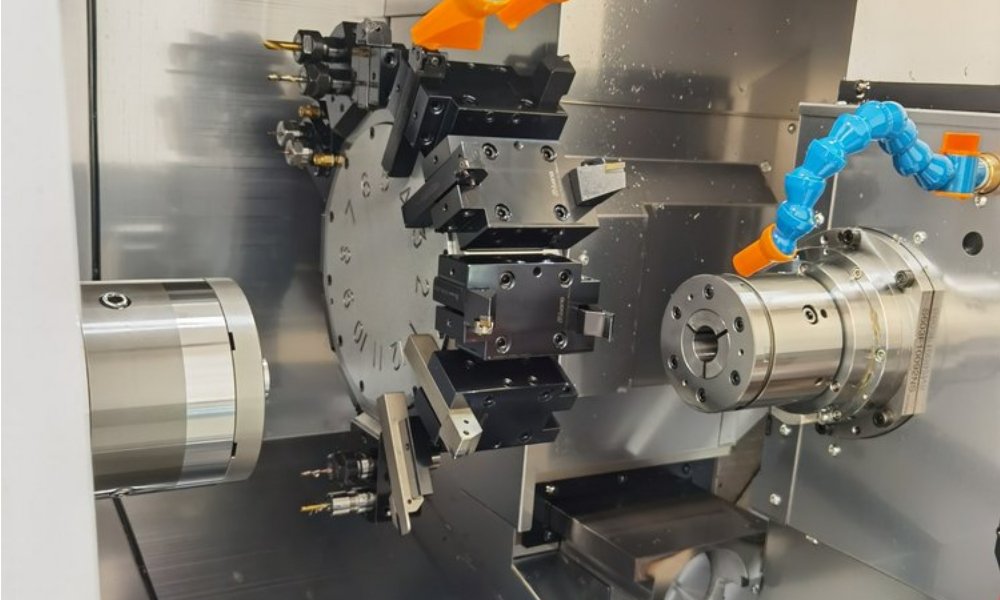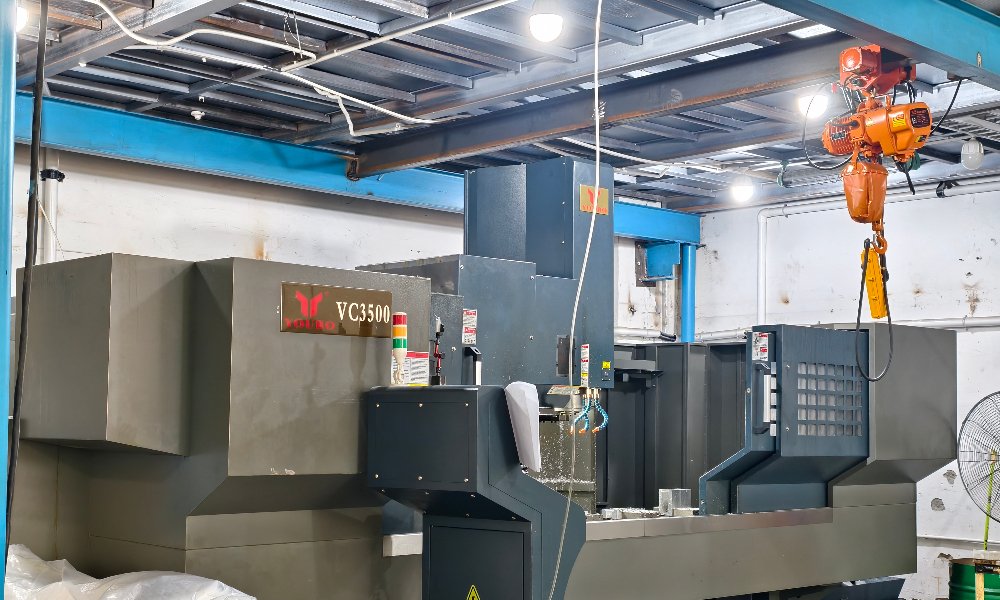
Rugged hardware earns its reputation where failure is not an option. Defense CNC machining supplies the structural and electronic components behind demanding systems, from sealed enclosures to optical mounts. The materials absorb abuse and keep working. What distinguishes this work is a standard rather than any single machine. Tight tolerances, traceable materials, controlled drawings, and an auditable quality system all come with it.
This guide covers what defense CNC machining typically involves. It then walks through materials and finishes for harsh service. Qualifying a shop brings its own checklist, covered at the end.
What Defense CNC Machining Typically Covers
Enclosures and chassis top the list in defense CNC machining. For example, electronics for field systems live in machined housings that seal against dust and moisture. Those housings also conduct heat away from boards and survive drops and vibration. Sealing grooves, flat mating faces, and robust fastener bosses all get machined into the design from the start.
Mounts, brackets, and structural frames follow. These parts hold sensors, displays, and subsystems in alignment through shock and thermal cycling. Position tolerances and stiffness drive the design as a result. Many parts are machined from a single billet to remove fastener error and add rigidity where bolted joints would flex.
Precision hardware rounds out the work. Heat sinks, connector bodies, guide rails, and optics mounts all carry micron-level features. Multi-axis machining handles these in few setups. Accuracy stays protected and lead time stays short across a build as a result.
In addition, small precision parts appear throughout. Shims, spacers, and alignment hardware get machined to exact thicknesses. They keep assemblies aligned without hand fitting.
Prototype and test fixtures also move through these shops. Development programs need fast turnaround between design revisions, and machining delivers that without tooling.
Rugged Materials for Harsh Service
Aluminum 7075-T6 anchors most defense CNC machining material lists. Its strength-to-weight ratio suits brackets, housings, and mounts that must stay light. It machines into stiff sections that hold flatness. 6061 appears where weldability or cost leads, and both alloys take anodize well for added hardness and corrosion protection.
Steels cover strength and wear in defense CNC machining. Alloy and stainless grades serve pins, shafts, hinges, and any interface that sees repeated loading or abrasion. Where weight and strength both matter critically, titanium takes over. It accepts shock and fatigue that would end other alloys. Titanium costs more though, so good designs reserve it for the parts that earn it.
Engineering plastics fill niche roles too, mainly insulators and low-friction wear parts. The common thread across all these materials is consistency. Every lot should behave like the last, which starts with certified material and controlled processing. Copper alloys appear too, mainly in connectors and shielding where conductivity rules.
Material certification starts the story. Every lot arrives with mill paperwork, and good shops keep those records with the parts through shipping.
Surface Treatments That Survive the Field
Finish choices in defense CNC machining start with the environment. Anodize, conversion coatings, passivation, and paint systems each defend against moisture, salt exposure, and handling wear. They protect in different ways though. Specify where the part will live, whether shipboard, desert, or something between, and the finish selection follows.
Surface preparation matters as much as the coating itself. A finish over poor surface quality telegraphs every tool mark, since thin spots become corrosion starts later. Finish callouts belong on the drawing for that reason, with Ra values and coating type spelled out rather than assumed.
Masking plans grow with part complexity. A part with several sealing faces needs each one detailed on the finish drawing.
Color and gloss matter less here than durability. A finish that chips in service exposes bare metal and starts corrosion.
Mating surfaces deserve their own note. Threads and sealing faces often need masking during coating so parts still assemble true. Flag those features early in the design review.
Documentation, Traceability, and Drawing Security
Traceability expectations shape defense CNC machining from the first quote. Programs expect material certificates tied to heat or lot numbers, dimensional reports, and serialized parts. Any field issue can then be traced back to its source. Build those requirements into the purchase order instead of assuming them.
Drawing security belongs in the same conversation. Mature shops sign NDAs first and restrict file access to authorized engineers. They also control revisions so nobody machines against an obsolete print. Ask how a supplier stores, shares, and destroys your data before sending anything.
An audited quality system holds it all together. XAP Precision operates under ISO 9001 certification. Inspection records, material traceability, and revision control come from the process rather than after-the-fact paperwork.
Retention extends beyond delivery. Programs audit suppliers months later, and quick answers build trust.
Shortlisting suppliers? Send your drawings under NDA for free DFM feedback and compare the answers.
What Defense CNC Machining Buyers Look for in a Shop
Capability comes first. Confirm axis count, working envelope, and material experience before price enters the discussion. Our equipment list shows the machines behind our quotes, and the company profile covers our background and quality approach.
Capacity and communication follow. A shop that quotes honestly and flags DFM problems early saves programs real money. Reliable lead times matter more than the shortest promise, because schedules downstream depend on them.
Next, ask about surge capacity. Programs sometimes need a month of parts in a week, and honest shops tell you what they can absorb.
Reference checks help too. Ask which programs a shop has supported, and listen for specifics rather than claims.
Finally, weigh logistics. Consolidated shipments and accurate packing lists keep receiving quiet.
Above all, look for a partner mindset. Programs evolve, drawings change, and quantities shift. A shop that treats revisions as routine keeps schedules intact.
Frequently Asked Questions About Defense CNC Machining
What materials are common in defense machined parts?
Defense CNC machining leans on 7075 aluminum for light, strong structures. Alloy and stainless steels cover wear interfaces, and titanium steps in where strength and weight both matter. Plastics serve insulators and wear parts. We can recommend the right grade during design review.
How is our drawing data protected?
We sign NDAs before reviewing sensitive files. Access stays limited to authorized engineers, and revision control keeps machining on the current print. Share your security requirements up front, and we will match them in how files are stored and shared.
What documentation comes with defense parts?
Standard packages include dimensional reports and material certificates tied to heat or lot numbers. Serial marking is available on request. Added inspections can be planned at quote time, all managed under our ISO 9001 quality system, so records come from the process itself.
Qualify Your Defense CNC Machining Partner
Rugged materials, honest tolerances, and records that hold up under review. Defense CNC machining should demand all three from any supplier. XAP Precision is an ISO 9001 certified manufacturer in China. We offer 3, 4, and 5-axis milling, turning, and low-volume production across aluminum, steel, titanium, and engineering plastics.
Send your drawings under NDA for free DFM feedback and a fast quote. Contact us today.