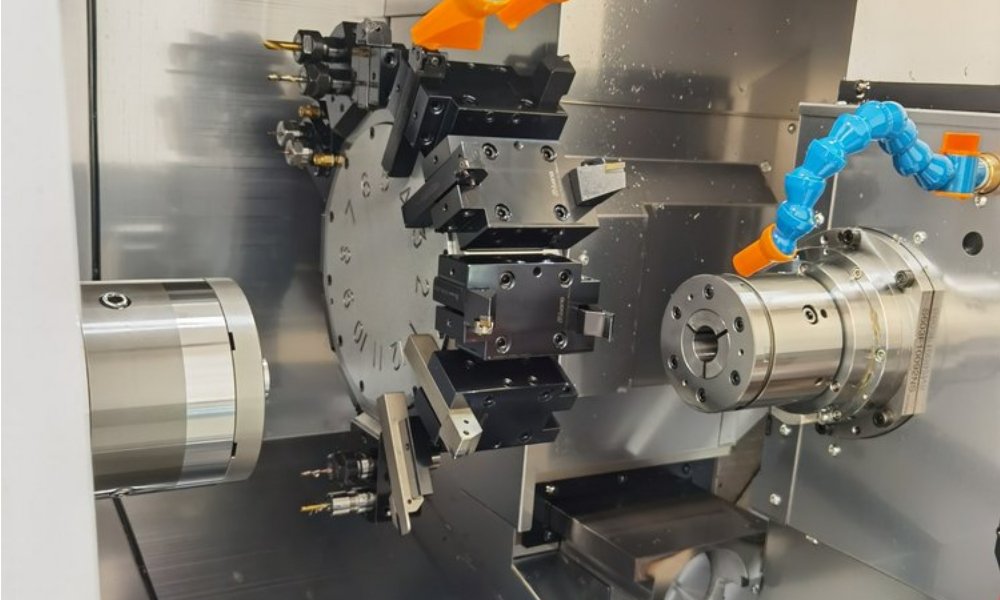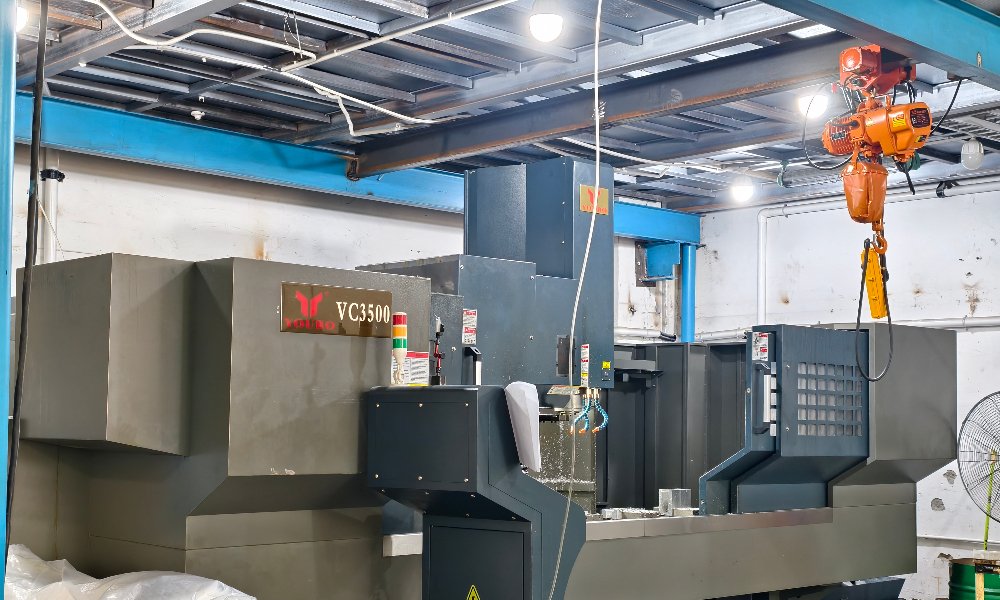
Oilfield equipment fails in expensive places. The parts inside it get built to unforgiving standards as a result. Oil and gas CNC machining supplies the valves, downhole tools, fittings, and manifold blocks behind them. These parts handle pressure, sour fluids, and years of continuous service. Beyond cutting metal, the work carries documentation expectations that separate qualified suppliers from ordinary job shops.
This guide explains what oil and gas CNC machining covers. It then walks through the alloys that survive the field and the traceability discipline buyers should demand.
The Parts Behind Oil and Gas CNC Machining
Downhole components dominate the workload. Mandrels, housings, crossover subs, and stabilizer bodies make up a large share of oil and gas CNC machining. They are long, heavy turned parts with deep bores and precision threads. Concentricity along the full length decides whether a tool string runs true. These jobs lean on stable lathes and patient setups as a result.
Valve trim follows close behind. Gates, balls, seats, and stems must seal under pressure. That requirement drives tight roundness and fine surface finishes on the sealing faces. A single scratch on a seat can leak. Handling and finish control matter as much as dimensions for that reason.
Fittings, flanges, and manifold blocks complete the picture. Adapters and unions carry rated threads, while flanges need flat faces and true bolt circles. Manifold blocks are drilled and milled cubes that route fluid through intersecting passages. Every port must meet its counterpart without a leak path as a result.
Actuator and control components appear too. Stems and trunnions need smooth finishes and tight fits, since they operate valves under load.
In addition, wellhead bodies and hangers round out the list. They combine heavy sections with precise sealing features in one part, which takes careful sequencing to machine.
Sector Demands: Pressure, Corrosion, and Heat
Pressure sets the baseline for oil and gas CNC machining. Wellhead and downhole components see thousands of psi. Pressure acts on every surface, so wall thickness, threads, and seal grooves all need margin. Fatigue matters just as much, because pressure cycles repeat for years without maintenance windows.
Corrosion compounds the problem. Produced water, chlorides, and sour gas attack ordinary steel. Alloy selection leans stainless and nickel-based wherever fluids touch as a result. Heat adds a third stress, both from deep formations and from process stages at the surface.
Remote locations raise the cost of failure above everything else. A downed tool offshore costs far more than the part itself. Reliability drives every decision from material choice to final inspection for that reason.
Specifications travel with every order too. Drawings call out material condition, heat treatment, and finish, and the shop must hold each one on every part.
Materials That Survive Oil and Gas CNC Machining
Alloy choice follows the environment. Alloy steels carry the heavy structural work in oil and gas CNC machining. 4140 and 4340 deliver strength and toughness for tool bodies and subs. They usually get heat treated to a specified hardness before final machining. Our guide to steel CNC machining covers how these grades cut and what to expect.
Stainless grades take over where fluids touch. 17-4PH combines strength and corrosion resistance, so it suits trim and shafts. Duplex stainless steels resist chlorides in the most aggressive wells. Both machine slower than carbon steel, and duplex in particular demands rigid setups and sharp tooling.
Nickel alloys such as Inconel sit at the top of the ladder. They hold strength in heat and shrug off sour service. At the same time, they work-harden and wear tools fast, so cycle times and pricing reflect it. A broader view of alloy options lives in our metal CNC service overview.
Machining Challenges These Parts Bring
Deep bores define many jobs in oil and gas CNC machining. Holes that run long and straight through a mandrel need specialized tooling and steady support. In practice, straightness decides how the finished tool behaves downhole. Interrupted cuts around cross-drilled ports add another layer of difficulty.
Threads deserve equal attention. Oilfield thread profiles carry load and seal at the same time. Pitch, taper, and surface quality all fall under inspection as a result. Connections stay interchangeable across the tool string when gauge discipline holds.
Hard machining after heat treatment closes the sequence. Parts often get roughed, treated, then finish machined. Sealing faces and threads land at final hardness that way. Sequencing matters because it protects both tolerance and tool life, and that care shows in the final price.
Heavy parts add their own demands. Deep cuts in large bar stock need rigid workholding and careful handling between setups.
Inspection runs through the whole process rather than the end. Bore gauges, thread gauges, and CMM checks catch drift early at key stages. Correction stays cheap at that point, so drift never reaches the customer. Sourcing downhole or valve components now? Send your drawings for a free quote and DFM review.
Documentation and Traceability Expectations
Paperwork carries real weight in oil and gas CNC machining. Buyers expect material certificates tied to heat numbers and dimensional reports against the drawing. In addition, serial or lot marking should follow the part into service. When a tool fails in the field, that paper trail lets a team trace history back to a specific billet and setup.
An ISO 9001 quality system gives this structure its backbone. XAP Precision runs its machining and inspection under ISO 9001 certification. Records come from the process itself rather than after-the-fact effort. State your documentation requirements at quote time, and the inspection plan can be built around them.
Version control matters just as much. Keep part numbers and revision levels on the drawing. The parts and the records never drift between orders that way.
Many buyers keep records for years. A good supplier stores them and retrieves them quickly on request, so keep retention in mind when comparing shops.
Frequently Asked Questions About Oil and Gas CNC Machining
Which materials are used most in oilfield parts?
Oil and gas CNC machining leans on 4140 and 4340 alloy steel for structural bodies. 17-4PH and duplex stainless serve wet or sour service. Inconel appears where heat and corrosion combine. The right pick depends on pressure, fluid chemistry, and mechanical load.
Can you machine small batches of downhole components?
Yes. Low-volume production suits CNC work well, since there is no tooling to amortize. We regularly machine single downhole tools and small fleets. Each order ships with the same inspection records and material certs that a much larger program would receive.
What documentation ships with the parts?
Standard packages include dimensional inspection reports and material certificates tied to heat numbers. Serial marking, lot tracking, and added tests can be arranged at quote time. List your requirements early so the inspection plan covers them from day one. That keeps audits simple.
Start Your Oil and Gas CNC Machining Project
Tough alloys, honest tolerances, and a paper trail that holds up. Oil and gas CNC machining rewards shops that treat all three as standard. XAP Precision is an ISO 9001 certified manufacturer in China. We offer 3, 4, and 5-axis milling, turning, and low-volume production across alloy steels, stainless grades, and nickel alloys.
Upload your drawings for free DFM feedback and a fast quote. Contact us today.