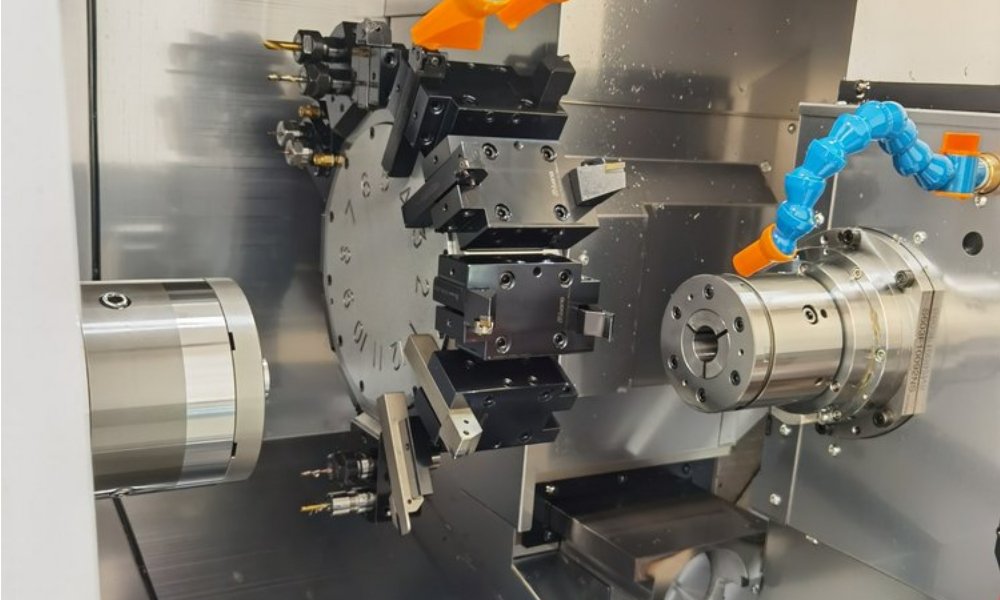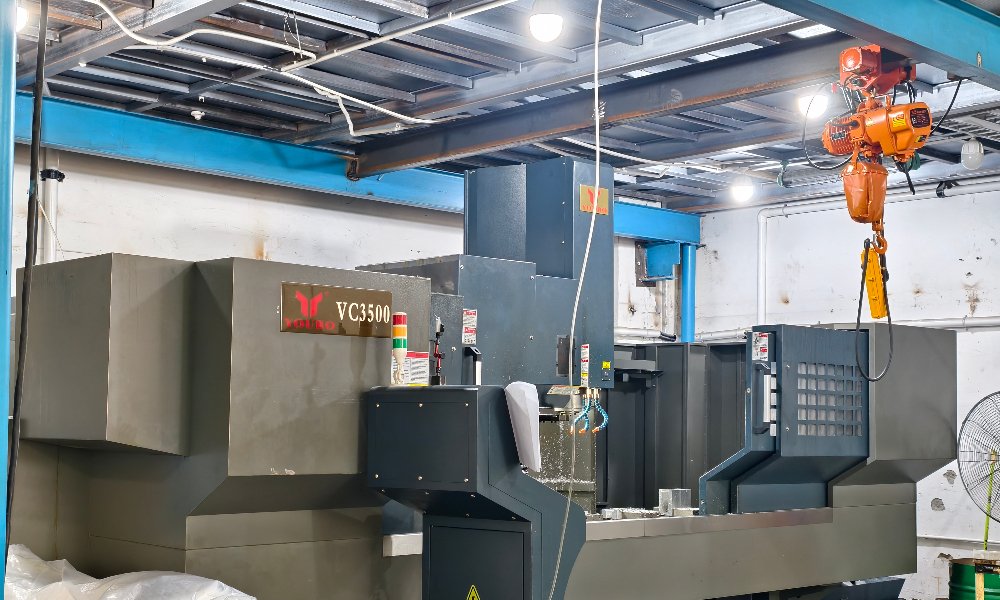
ABS CNC machining is one of the fastest routes from CAD model to a tough, finished plastic part. ABS costs little, cuts easily, and accepts paint, adhesives, and solvent bonding better than most engineering plastics. For those reasons, ABS CNC machining dominates prototyping for housings, automotive interior parts, and pre-production test components. This guide covers what the material does well, its heat-related quirks at the spindle, and the question every buyer eventually faces: machine ABS now, or wait for a mold?
Why ABS CNC Machining Remains a Favorite
Price leads the argument. ABS resin is inexpensive, and machined-grade sheet and rod are widely stocked, so raw material rarely drives up a quote. Toughness follows close behind: ABS absorbs impact and resists cracking under snap-fit assembly, which suits enclosures and clips. Finishing is the third strength. ABS sands smoothly, paints readily, glues easily, and can be solvent welded into strong, near-seamless joints.
Dimensional behavior is another quiet advantage. ABS holds size well in normal shop and service environments, so a housing that fits on day one keeps fitting. In addition, the material is light, which helps portable devices and vehicle interiors alike.
Because of all that, ABS CNC machining serves as the standard bridge between 3D printing and injection molding. It delivers molded-like aesthetics with machining tolerances, at prototype speed.
Grade choice adds flexibility too. ABS sheet and rod arrive in general-purpose, high-heat, and flame-retardant variants, so the same design can target different standards with minimal changes. Talk to your supplier early if the part must meet a flammability rating or an elevated-temperature service window.
Machinability Notes: Heat Sensitivity and Burr Control
ABS cuts easily, but it telegraphs every shortcut. Its softening point is low, so heat buildup from dull tools or high speeds smears the surface and welds chips into freshly cut grooves. Consequently, sharp tooling, moderate speeds, and good chip clearance matter more in ABS CNC machining than in harder plastics.
Burr control is the second theme. ABS tends to feather at edges when the last pass is too light or the tool is worn. Programs that finish with a clean, full-depth shear pass produce crisp edges instead. Clamping needs a soft touch as well: ABS creeps under sustained pressure, so over-tightened vises leave witness marks and out-of-round bores. Use moderate clamping force, and support thin walls from behind where possible.
Tapping and threading behave well, though thread forms designed for plastics work best. Small holes need sharp drills and peck cycles to clear stringy chips. When you follow those basics, ABS CNC machining stays trouble-free even on thin-walled enclosures.
Coolant choice follows the heat story. Many shops run ABS dry with an air blast, since water-based coolants add little and can cloud polished faces. Where heat still creeps in, a mist aimed at the cutter keeps temperatures down without soaking the part.
Typical Uses for ABS CNC Machining
- Enclosures and housings for electronics, instruments, and consumer devices
- Functional prototypes built to validate injection-molded designs before tooling is cut
- Automotive interior parts, trim, and ducting for test vehicles
- Jigs, fixtures, and assembly aids that need light weight and easy modification
- Concept models and trade-show samples with painted, molded-like finishes
Across these uses, ABS CNC machining wins when the part needs to look finished, assemble with snaps or screws, and arrive quickly. Automotive programs lean on it heavily, because interior parts rarely see high heat and benefit from fast design turns.
Robotics and drone teams lean on ABS CNC machining for the same reasons. Fairings, sensor brackets, and covers come off the machine in hours, then paint to match the vehicle. Because ABS glues and sands so well, design iterations stay cheap between test sessions.
Planning an ABS housing or prototype? Send your CAD to XAP Precision for free DFM feedback before you choose between machining and tooling.
CNC ABS vs Waiting for an Injection Mold
At some quantity, injection molding becomes cheaper per part, and buyers ask where that crossover sits. The honest answer depends on part size, cosmetic requirements, and schedule, but the logic stays consistent. Machining wins on lead time: parts ship in days, while tooling takes weeks and locks in design changes. Molding wins on per-part cost once volumes absorb the tooling investment. For most teams, ABS CNC machining is the default until quantities prove otherwise.
In practice, teams CNC machine ABS for prototypes, design verification, and early builds, then transition to molds once the design freezes. Low-volume production often stays machined permanently when annual quantities sit in the hundreds. Surface texture is one honest difference to weigh: machined ABS carries tool marks until finishing work removes them, while molded parts reproduce whatever texture the tool carries.
Design freedom tips the scales too. Undercuts, thin ribs, and living hinges that molding handles gracefully may machine poorly or not at all. Conversely, very thick sections that would sink in molding machine without complaint. Our low-volume CNC machining and rapid prototyping service page explains how the bridge from prototype to production works, and our plastic CNC machining overview compares ABS against alternative materials.
Timing often decides on its own. If a trade show, test campaign, or customer review sits weeks away, machining buys time that tooling cannot. Once volumes mature, the same CAD drives the mold, so little of that work goes to waste.
DFM Tips for ABS CNC Machining
A few design habits make ABS CNC machining cheaper and more reliable. Keep wall thickness even, so the part clamps predictably and finishes evenly. Use generous corner radii, which cut cleaner than sharp inside corners and resist cracking at assembly points. Specify the cosmetic faces, and the shop will sequence cuts to protect them.
Tolerances deserve realism as well. ABS holds machining tolerances fine for a plastic, yet it still creeps under sustained load. Therefore, press-fit metal inserts belong in bosses sized for plastic, not metal. When snap fits are involved, borrow proportions from molded-part design guides, since the same strain limits apply.
Frequently Asked Questions About ABS CNC Machining
Is ABS easier to machine than acrylic or polycarbonate?
ABS is among the easiest plastics to cut, though each material behaves differently. It machines fast and finishes well, but softens at lower temperatures than polycarbonate. Acrylic cuts cleanly yet chips at sharp corners. Tool sharpness and heat control decide the outcome in all three.
Can CNC-machined ABS look like a molded part?
Yes, with finishing work. Sanded, primed, and painted ABS can closely mimic a molded surface, and solvent bonding hides joints. Expect hand labor to drive cost here. If cosmetics dominate the budget and quantities justify it, molding may be the better route.
When should I switch from machining ABS to molding?
Review the economics once annual volumes reach the hundreds to low thousands, depending on part size and tooling cost. Until the design is truly frozen, ABS CNC machining stays safer, because every change to a hardened mold costs real money. Many teams keep machining low-volume builds even after molds exist.
Get a Quote on Your ABS CNC Machining Project
XAP Precision runs ABS CNC machining projects from single prototypes to recurring low-volume builds, all under ISO 9001 control. We advise on machining versus molding honestly, based on your quantities and schedule. Send your drawings through our contact page for a free quote and free DFM feedback.